

Related products
Trending searches this week
The Business of Making
In a world dominated by one-click ordering and next-day delivery, I’ve been reflecting on a sentiment I’ve heard too often lately: “No one cares about handmade items anymore.” This statement has been weighing on me, not only as someone who appreciates craftsmanship but also as someone who believes in the human connections that handmade items represent. I want to make a case for why handmade still matters—perhaps now more than ever.
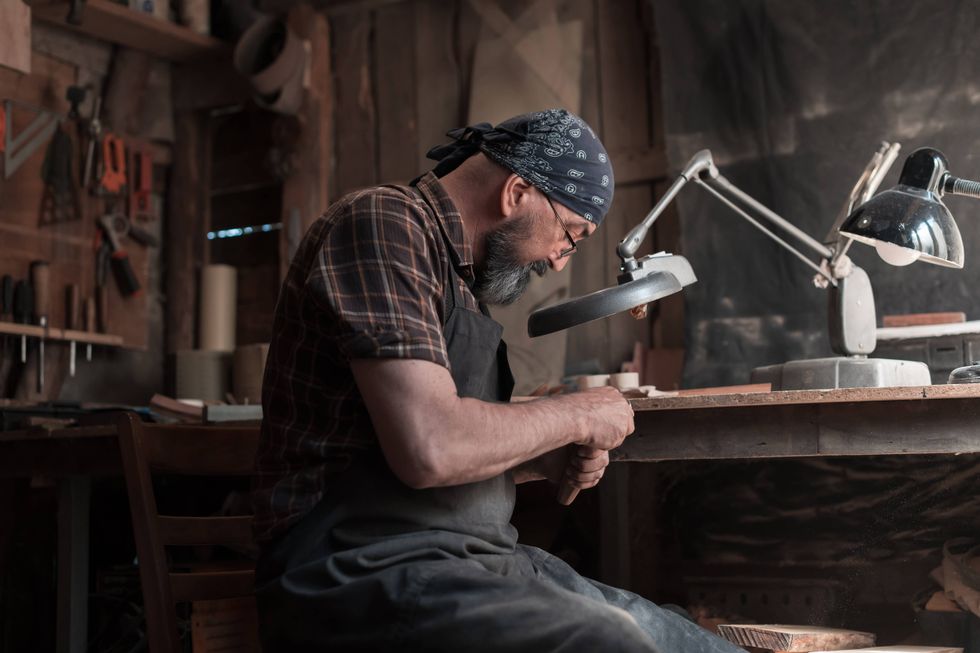
When you purchase something handmade, you’re not just buying an object. You’re directly supporting someone who has poured their time, skill, and passion into creating something unique. That ceramic mug wasn’t manufactured in a distant factory by machines; it was shaped by human hands and fired in a kiln tended by someone who has spent years perfecting their craft. The person who made it probably did a little dance when they saw your order come through.
It’s not just about the “handmade product”—it’s about supporting a small business, a real person with dreams, bills to pay, and a creative vision they’re brave enough to share with the world.
Those artisans you see at your local market? While some might be there purely for the joy of sharing their craft, many rely on these sales as a crucial source of income. That soap maker with the incredible scents or the seamstress with beautifully crafted bags isn’t just pursuing a weekend hobby—they’re running a business that puts food on their table and keeps the lights on. Your purchase might be the difference between them continuing their craft or having to find another source of income.
 Alpaca and Wool Blend Knit Beanie by Edison Canal
We don’t think twice about supporting our neighborhood pizza place. We understand that choosing the local spot over the chain restaurant keeps money in our community and preserves what makes our area special. Yet somehow, we’ve created a disconnect when it comes to handmade goods.
The woodworker crafting cutting boards, bowls, or spoons is no different than the pizza maker perfecting their dough. Both are skilled professionals creating something with care that enhances our daily lives. The only difference is that instead of feeding your stomach, the artisan is feeding your home, wardrobe, or gift-giving with items made with intention.
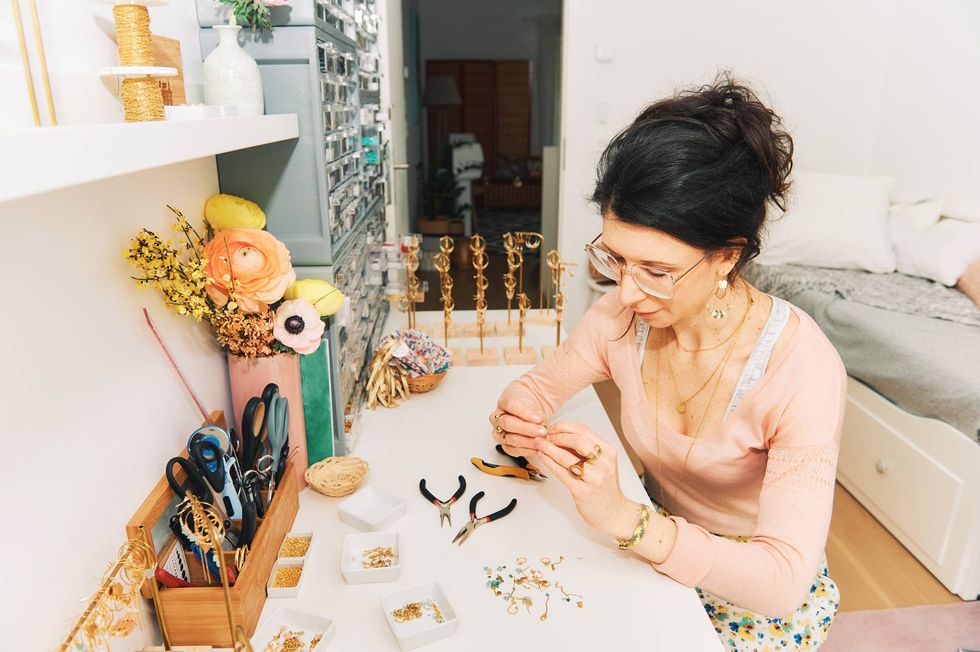
Art and handcrafted items serve as mood boosters in our lives—something many desperately need in today’s fast-paced, often overwhelming world. That hand-knit blanket doesn’t just keep you warm; it wraps you in someone else’s care. Handmade jewelry isn’t just an accessory; it’s a confidence booster worn with pride. That painting or print on your wall doesn’t just fill an empty space; it puts a smile on your face when you come home after a long, draining day.
Studies have shown that surrounding ourselves with meaningful objects actually improves our mental well-being. In an era of rising anxiety and digital overload, the tactile connection to something made by human hands provides a grounding force that mass-produced items cannot replicate.
 Corral Petroleo by One Thread Collective
Every handmade item carries a narrative woven into its very creation—from the inspiration that sparked it to the hands that brought it to life. Bringing a handmade piece into your home makes you part of its story. That handwoven scarf isn’t just a purchase; it’s a connection to the person who selected the fibers, chose the colors, and crafted each thread with intention.
Right now, social conversations are increasingly reduced to quick digital exchanges, and we find ourselves longing for something more substantial. The tangible nature of handmade goods offers a bridge to genuine human experience that our screen-dominated lives often lack. That unique glass piece hanging in your window or the beautiful necklace you’re wearing to grab coffee becomes a conversation starter—“Where did you get that?” —that opens the door to sharing the maker’s story, connecting you to guests in your home through something real and tangible.
These stories matter in a world where so much is anonymous and interchangeable. They connect us to our shared humanity and remind us that human hands and hearts are behind every creation.
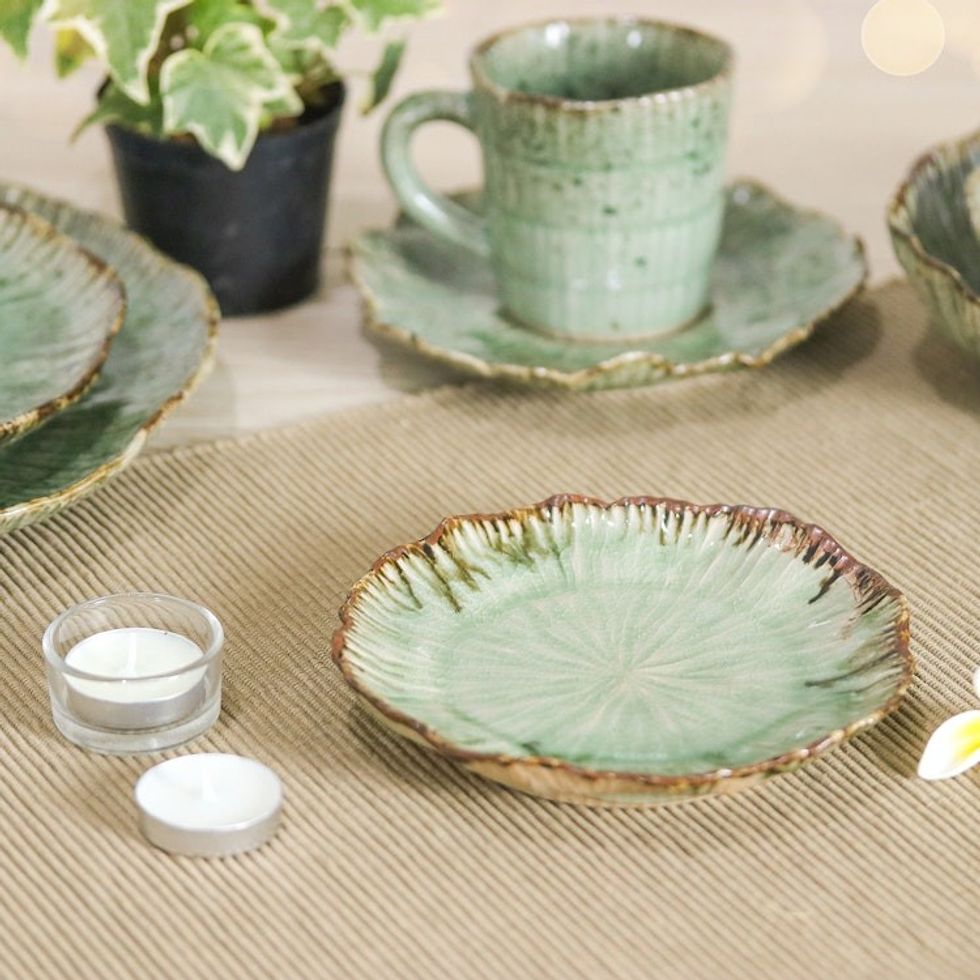 Lotus-Themed Speckled Green Celadon Ceramic Appetizer Plate by Thatsanee and Ramphan
When discussing sustainability, we often emphasize materials alone. However, true sustainability encompasses the entire lifecycle of products, including how they are produced, distributed, and ultimately discarded.
Many handmade items use locally-sourced materials, minimize waste, and are built to last. Artisans typically make in small batches, avoiding the overproduction that plagues fast fashion and home décor. When something is made with care and attention to detail, it’s more likely to become an heirloom than landfill fodder.
Shopping locally—whether in person or online—significantly reduces carbon emissions associated with shipping and transportation. When you purchase from a maker in your region, the item travels a much shorter distance to reach you than products shipped from overseas factories. Even shopping online from local artisans reduces the overall carbon footprint of your purchase. Platforms like handmade.com make this easier by allowing you to filter searches by state, helping you discover and support makers in your area.
By investing in handmade, you’re often making a choice that’s better for the planet, not because it’s marketed as “eco-friendly,” but because it’s inherently more aligned with thoughtful consumption and shorter supply chains.
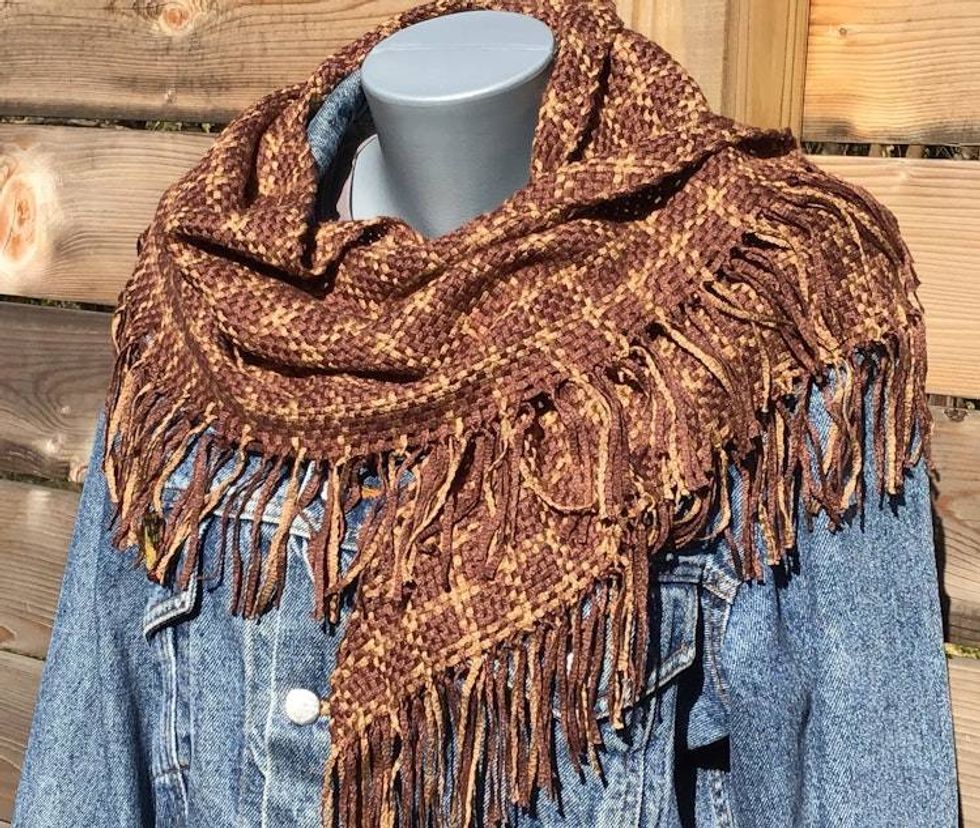 Brown and beige woven scarf by Lyon Handwoven
We increasingly live in a world curated by algorithms, which show us more of what we’ve already seen and steer us toward predictable choices. Social media feeds, shopping recommendations, and even search results are all filtered through invisible systems that narrow our experiences rather than expand them.
Handmade items break this cycle. They represent human creativity that isn’t constrained by what’s trending or what data suggests will sell best. Each maker brings their unique perspective, cultural background, and artistic vision to their work, resulting in pieces that algorithms might never recommend, but that could bring unexpected joy to your life.
Supporting handmade goods represents a small but meaningful act of resistance against the growing uniformity of our material world. It conveys the message: I appreciate the unexpected, the imperfect, and the truly unique expressions that arise from individual creativity. It’s about stepping outside the echo chamber of algorithm-driven recommendations to find something genuinely different.
In a time when so many of our choices are subtly guided by data-driven systems optimized for profit rather than human connection or artistic expression, choosing handmade helps keep diversity alive in our material culture. It ensures that not everything in our homes and lives looks like it came from the same few massive retailers. The handmade movement preserves variety, personality, and cultural richness in the things we surround ourselves with.
What we’re really missing in our rush to convenience is the joy of human connection. When you purchase something handmade, you often communicate directly with its maker. You can ask questions about their process, request customizations, or simply express appreciation for their work.
This exchange is worlds away from the anonymous transaction of mainstream shopping. It reminds us that commerce, at its best, can be a form of communion—a meaningful exchange between maker and appreciator.
Supporting these artisans, whether in person at local markets or online through their shops, is crucial to their survival. The artisan selling hand-knitted hats at your farmers market might also have an online shop to reach customers year-round. That candle maker you discovered on social media might depend on in-person events and digital sales to make their business viable.
Each purchase helps these small businesses find and connect with their ideal customers—people who truly value their unique vision and craftsmanship. In a marketplace dominated by massive corporations with enormous marketing budgets, your support gives these independent creators a fighting chance to continue doing what they love while making a living.
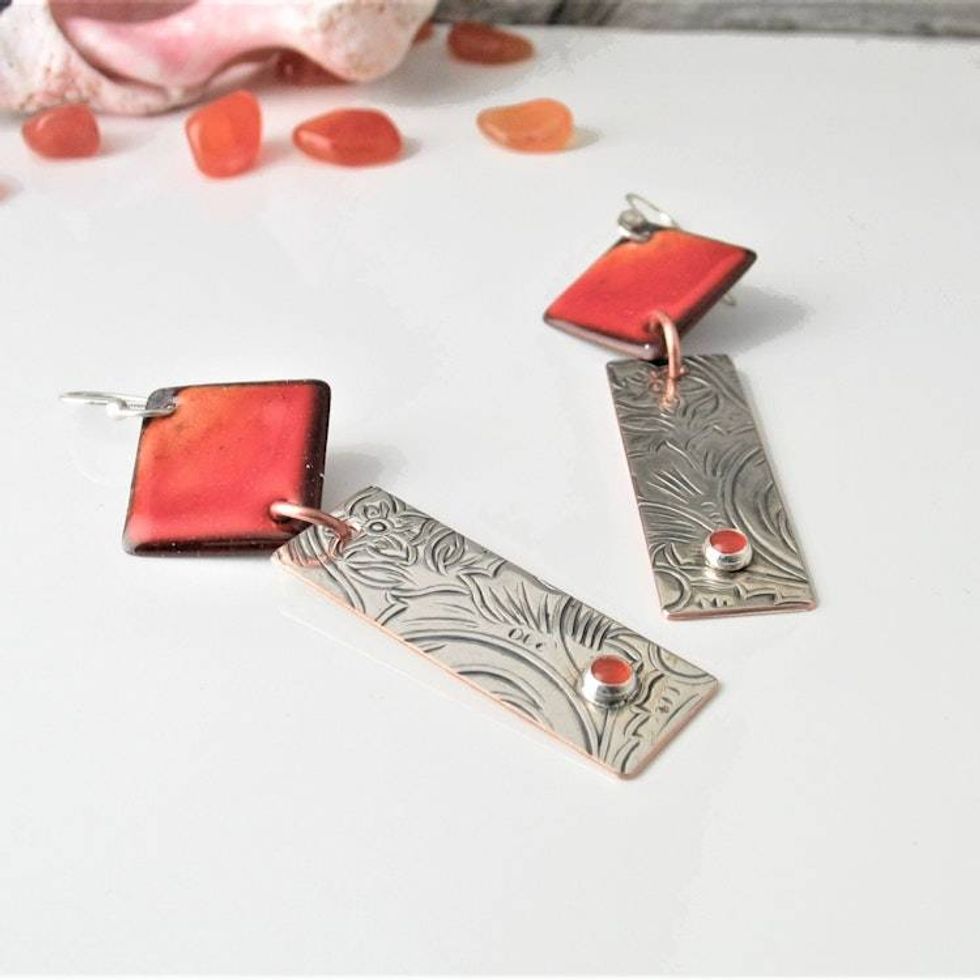 Carnelian Gemstone Sunset Orange Earrings with Silver Bar by Wild Gatherings
Plenty of people still care deeply about handmade. But in a world optimized for convenience and driven by algorithms prioritizing the most profitable options, choosing handmade requires more intention.
Whenever you choose to purchase from an independent maker, you vote for the world you want to live in. You’re supporting real people with dreams and bills to pay. You’re choosing quality over quantity, meaning over convenience, and human connection over corporate efficiency.
These small choices add up. They help sustain traditions and skills that might otherwise disappear. They keep money circulating in your local economy. They reduce environmental impact and preserve diversity in our material culture.
And perhaps most importantly, they bring more beauty, joy, and meaning into your daily life. That morning, coffee tastes better in a mug made by human hands. That scarf feels warmer knowing the care that went into creating it. That painting on your wall means more because you know the artist’s story.
So the next time you need something—a gift, a home item, or something for yourself—take that extra moment to seek out the independent creator. Visit your local craft market. Browse platforms dedicated to handmade goods. Look for the person creating what you need with care and skill.
In an increasingly disconnected world, objects made with love by human hands remind us of what truly matters—the beauty of connection, the value of craft, and the irreplaceable touch of someone who cares enough to create.
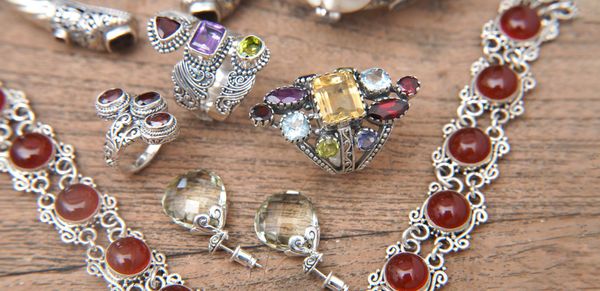
Silver Surge Could Mark a Turning Point for Handmade Jewelry Worldwide
Silver’s surge past $100 per ounce this January has set a market record, redrawing the economics of handmade jewelry, elevating sterling silver’s status in the luxury conversation, and creating new uncertainty for artisan silversmiths around the world. If silver prices remain elevated, this moment may prove a broader turning point in how handmade silver jewelry is valued worldwide.
For Handmade.com and sister marketplace Novica.com, the shift is unfolding in real time across artisan workshops, supply channels, and customer demand. The NOVICA group is watching silver’s historic climb transform both the cost and cultural meaning of handcrafted silver jewelry. Together, Handmade.com and Novica.com are believed to operate the world’s largest fair trade handmade jewelry marketplace group, serving customers in more than 100 countries and offering more than 27,000 unique jewelry SKUs at any given time.
Compared with a year ago, silver prices have roughly tripled. That rise is rippling across the jewelry industry, from independent artisan-designers to major commercial brands, while drawing renewed global attention to silver as both a precious metal and a luxury material.
“Inside this silver market disruption is a decisive shift we are witnessing in real time,” NOVICA CEO Roberto Milk says. “We are seeing new customers drawn to silver because sterling now carries greater luxury appeal at all-time highs. In some ways, this moment is rewriting the prestige of silver craftsmanship worldwide.”
That shift is especially significant for a marketplace where genuine .925 sterling silver accounts for approximately 20 percent of annual handmade jewelry sales. Long prized by silversmiths for its durability, malleability, and beauty, sterling silver has historically occupied a space between accessibility and refinement. Now, as prices climb, that balance is changing.
“We are living through a cultural and economic shift where silver is reclaiming its historical role as a truly precious metal,” says Nina Cooper, a jewelry artisan-designer who sells on Handmade.com. “Silver jewelry has been elevated beyond inexpensive or casual purchases. Today it stands firmly in a position of affordable luxury.”
The forces behind silver’s rise are unusually broad. Geopolitical instability, inflation concerns, multi-year supply deficits, rising industrial demand, retail investor interest, and concerns over future scarcity have all helped push the metal higher. Unlike gold, silver carries a dual identity: it is prized as an adornment and for its value as a precious metal, and also for its important role in electronics, solar technology, and advanced manufacturing.
That dual role has made silver newly central to conversations about value. While gold remains the dominant symbol of security and prestige, silver is increasingly being reassessed as a metal with both practical demand and growing luxury cachet. Some analysts have suggested the metal could move even higher in extended bullish conditions, though forecasts vary and should not be considered investment advice.
Silver’s late-January break above $100 per ounce marks the highest nominal price in recorded history. For artisan communities, that milestone carries a hard edge. Handmade jewelry production depends on daily access to raw materials. And in some regions, access is becoming more difficult and more expensive by the week.
“This could be devastating for many of the master silversmiths we work with in places such as Bali, India, Mexico, and Central America who are reporting that the street value of buying raw silver is higher than even the international market because supply is so limited, in some cases exceeding $125 per ounce locally,” Milk says.
That disconnect between benchmark prices and local purchasing realities is where the silver boom becomes most consequential. For many artisans, higher prices mean narrower margins, harder sourcing decisions, and the possibility that production itself may become unsustainable unless customers continue to buy at higher retail prices.
Yet there is another possibility embedded in the same moment: that rising silver prices may deepen global appreciation for the skill, labor, and cultural inheritance behind handmade silver jewelry. If silver is no longer seen as a secondary metal, then the work of artisan silversmiths may also be viewed through a new lens that recognizes handcrafted sterling silver jewelry as a category of luxury in its own right.
That tension now defines the market. The same surge that threatens artisan production may also elevate artisan prestige.
Handmade.com and Novica.com operate at the intersection of craftsmanship, culture, and global commerce. Originally launched in partnership with National Geographic in 2000, NOVICA helped pioneer direct-to-consumer global craft e-commerce and today remains a leading force in fair trade, artisan empowerment, and cultural preservation.
Together, its two online marketplaces offer a continuously evolving catalog of more than 50,000 handcrafted products, including jewelry, home decor, handwoven textiles, ethical apparel, and original fine art. A model built on long-term artisan partnerships and a commitment to sustaining traditional craftsmanship in a global retail environment.
Powered by Human Creativity
Established alongside our parent company NOVICA
More than a Marketplace
Enjoyed by over 1,000,000
customers across 50+ countries
Powered by NOVICA, a beloved global leader
in fair trade artisan goods.


Powered by

Partners and Collaborators





 You havein your cart
 Top
Top