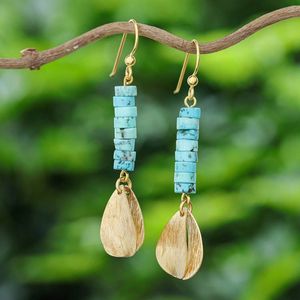
Silver’s surge past $100 per ounce this January has set a market record, redrawing the economics of handmade jewelry, elevating sterling silver’s status in the luxury conversation, and creating new uncertainty for artisan silversmiths around the world. If silver prices remain elevated, this moment may prove a broader turning point in how handmade silver jewelry is valued worldwide.
For Handmade.com and sister marketplace Novica.com, the shift is unfolding in real time across artisan workshops, supply channels, and customer demand. The NOVICA group is watching silver’s historic climb transform both the cost and cultural meaning of handcrafted silver jewelry. Together, Handmade.com and Novica.com are believed to operate the world’s largest fair trade handmade jewelry marketplace group, serving customers in more than 100 countries and offering more than 27,000 unique jewelry SKUs at any given time.
Compared with a year ago, silver prices have roughly tripled. That rise is rippling across the jewelry industry, from independent artisan-designers to major commercial brands, while drawing renewed global attention to silver as both a precious metal and a luxury material.
“Inside this silver market disruption is a decisive shift we are witnessing in real time,” NOVICA CEO Roberto Milk says. “We are seeing new customers drawn to silver because sterling now carries greater luxury appeal at all-time highs. In some ways, this moment is rewriting the prestige of silver craftsmanship worldwide.”
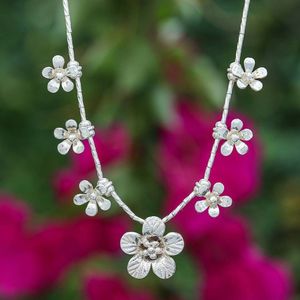
That shift is especially significant for a marketplace where genuine .925 sterling silver accounts for approximately 20 percent of annual handmade jewelry sales. Long prized by silversmiths for its durability, malleability, and beauty, sterling silver has historically occupied a space between accessibility and refinement. Now, as prices climb, that balance is changing.
“We are living through a cultural and economic shift where silver is reclaiming its historical role as a truly precious metal,” says Nina Cooper, a jewelry artisan-designer who sells on Handmade.com. “Silver jewelry has been elevated beyond inexpensive or casual purchases. Today it stands firmly in a position of affordable luxury.”
The forces behind silver’s rise are unusually broad. Geopolitical instability, inflation concerns, multi-year supply deficits, rising industrial demand, retail investor interest, and concerns over future scarcity have all helped push the metal higher. Unlike gold, silver carries a dual identity: it is prized as an adornment and for its value as a precious metal, and also for its important role in electronics, solar technology, and advanced manufacturing.
That dual role has made silver newly central to conversations about value. While gold remains the dominant symbol of security and prestige, silver is increasingly being reassessed as a metal with both practical demand and growing luxury cachet. Some analysts have suggested the metal could move even higher in extended bullish conditions, though forecasts vary and should not be considered investment advice.
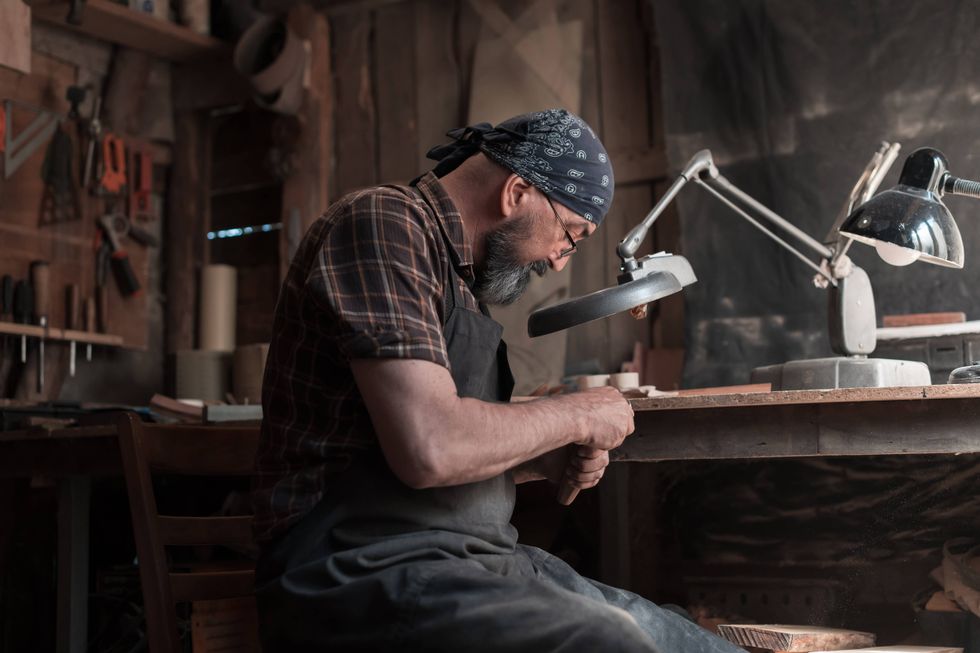
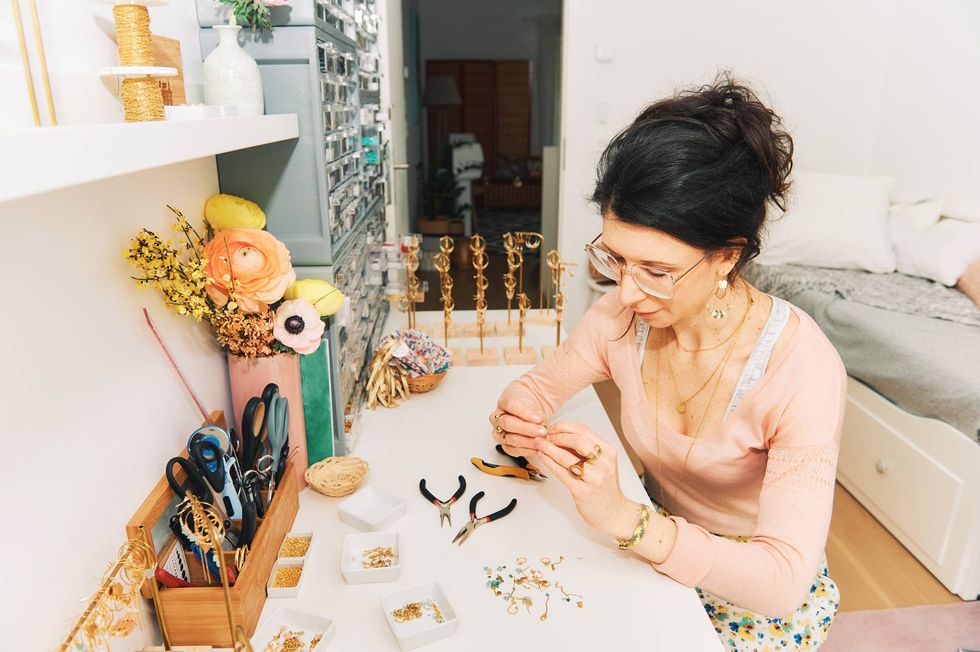
Silver’s late-January break above $100 per ounce marks the highest nominal price in recorded history. For artisan communities, that milestone carries a hard edge. Handmade jewelry production depends on daily access to raw materials. And in some regions, access is becoming more difficult and more expensive by the week.
“This could be devastating for many of the master silversmiths we work with in places such as Bali, India, Mexico, and Central America who are reporting that the street value of buying raw silver is higher than even the international market because supply is so limited, in some cases exceeding $125 per ounce locally,” Milk says.
That disconnect between benchmark prices and local purchasing realities is where the silver boom becomes most consequential. For many artisans, higher prices mean narrower margins, harder sourcing decisions, and the possibility that production itself may become unsustainable unless customers continue to buy at higher retail prices.
Yet there is another possibility embedded in the same moment: that rising silver prices may deepen global appreciation for the skill, labor, and cultural inheritance behind handmade silver jewelry. If silver is no longer seen as a secondary metal, then the work of artisan silversmiths may also be viewed through a new lens that recognizes handcrafted sterling silver jewelry as a category of luxury in its own right.
That tension now defines the market. The same surge that threatens artisan production may also elevate artisan prestige.
Handmade.com and Novica.com operate at the intersection of craftsmanship, culture, and global commerce. Originally launched in partnership with National Geographic in 2000, NOVICA helped pioneer direct-to-consumer global craft e-commerce and today remains a leading force in fair trade, artisan empowerment, and cultural preservation.
Together, its two online marketplaces offer a continuously evolving catalog of more than 50,000 handcrafted products, including jewelry, home decor, handwoven textiles, ethical apparel, and original fine art. A model built on long-term artisan partnerships and a commitment to sustaining traditional craftsmanship in a global retail environment.




 Corral Petroleo by
 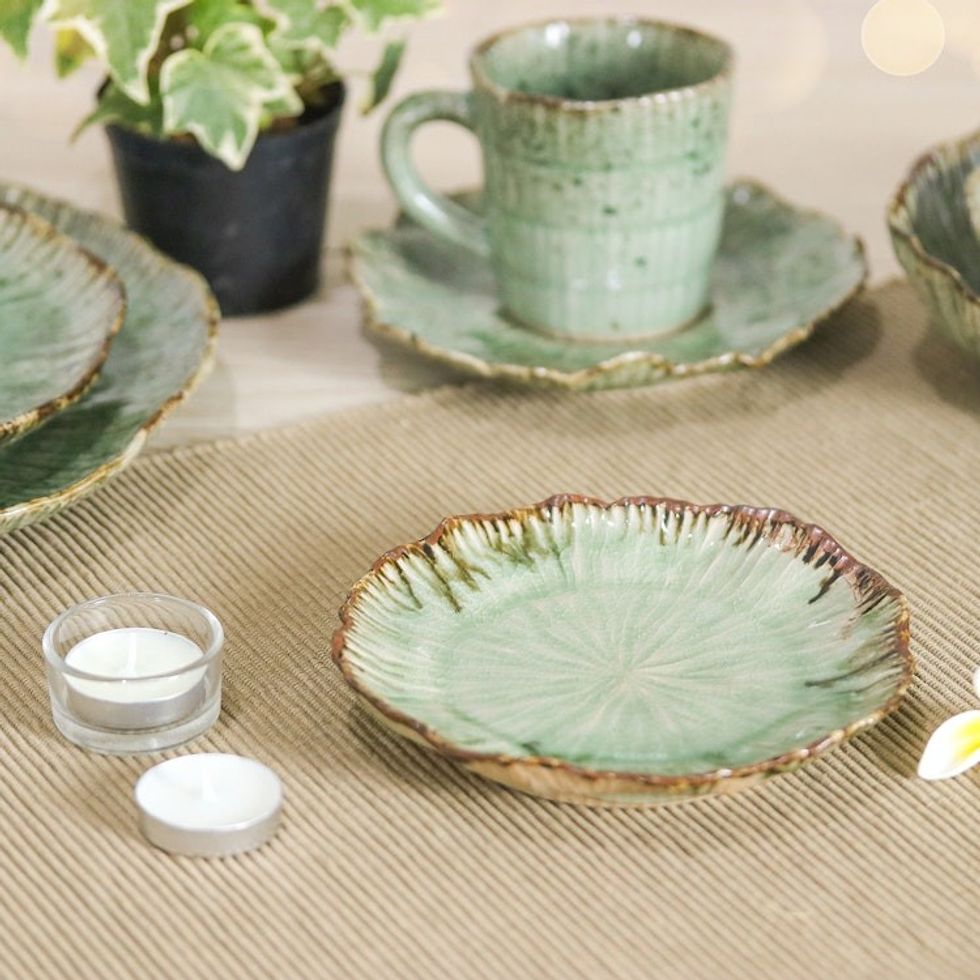 Lotus-Themed Speckled Green Celadon Ceramic Appetizer Plate by
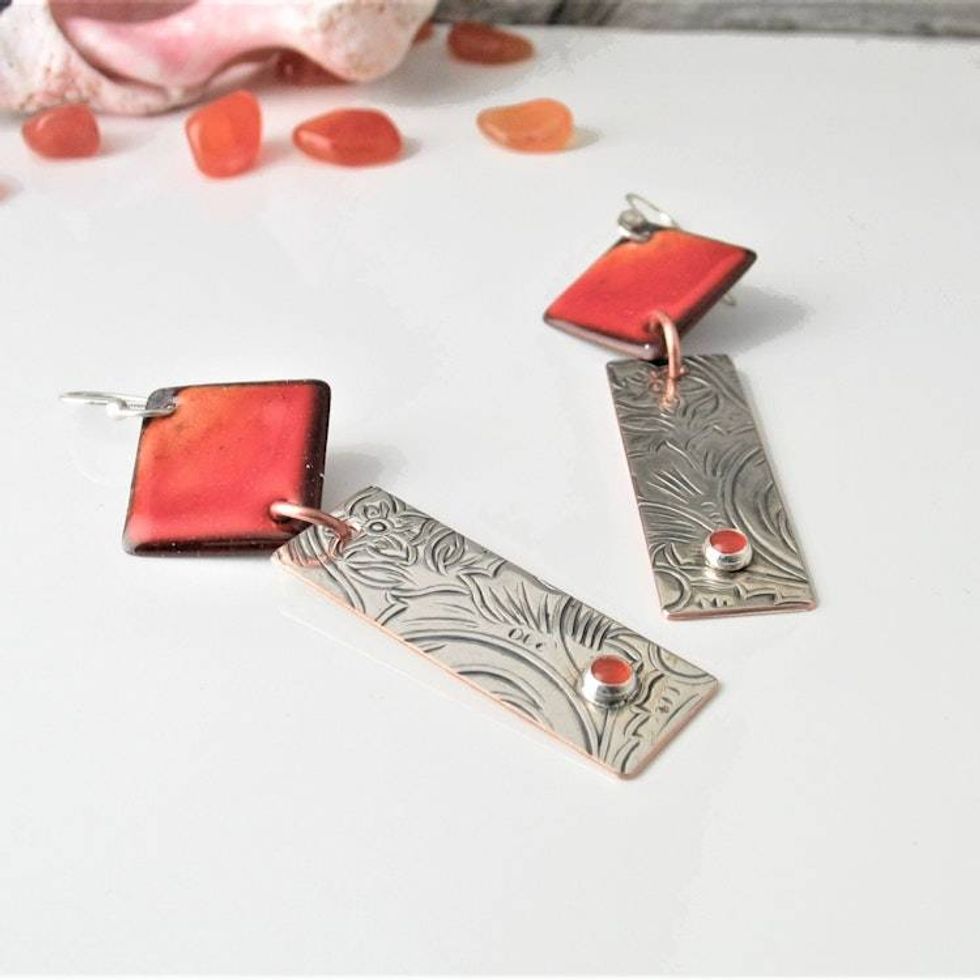 Carnelian Gemstone Sunset Orange Earrings with Silver Bar by