In today's digital world, sellers and creators constantly seek eye-catching designs to make their products stand out. Recently, a new trend has emerged that seems too good to be true: AI-generated artwork. These visuals, often available at a fraction of the cost of human-created art, tempt many to incorporate them into their product lines. However, beneath the surface of this apparent bargain lies a web of ethical, legal, and creative concerns.
The Rise of AI Art
Thanks to powerful text-to-image AI models like DALL-E and Midjourney, anyone can now generate unique images with just a simple text prompt. These AI systems use complex algorithms trained on vast datasets of existing artworks and visual data to create new images that emulate various styles and patterns. While this technology is impressive, it raises significant questions about originality, copyright, and the future of human creativity in the art world.
The Hidden Risks for Sellers
- Legal Uncertainty: AI-generated images are considered derivative works and don't have the same copyright protections as human-created art. Using these images commercially without proper permission could lead to accusations of copyright infringement.
- Platform Policies: Many selling platforms, such as Handmade.com, are developing stricter policies around AI-generated content. Your listings could be removed or your account suspended if you use AI art without proper disclosure.
- Customer Trust: If customers discover you're using AI art without being upfront about it, it could damage your brand's reputation and lead to negative reviews.
- Ethical Concerns: Some consumers have ethical objections to AI-generated art, believing it devalues human creativity or unfairly competes with human artists. This will make them avoid your products altogether.
- Lack of Uniqueness: As AI art becomes more common, using it may make your products less distinctive in a crowded marketplace.
- Market Saturation: As AI tools become more accessible, the market could become flooded with similar AI-generated designs, making it harder to stand out.
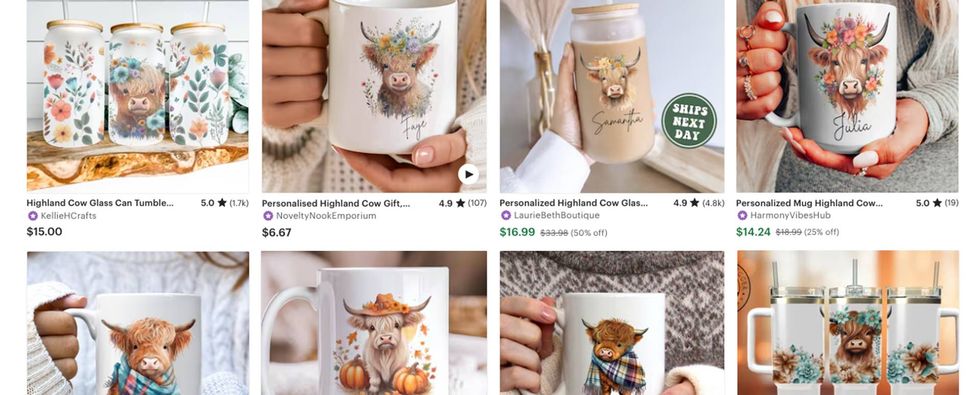
A common area where we see a lot of AI-generated artwork is with sublimated items. Sublimation printing is a digital process that uses heat and pressure to transfer dye onto different materials, such as mugs or t-shirts. It's becoming an increasingly popular craft. Many sublimators purchase art to use on their products. They could be accused of copyright infringement if they use an AI-generated image in their products without permission. Even if they purchased the art from a seller who claims the image is "royalty-free" or "commercial-use allowed," the rights to that image likely belong to the AI company, not the individual selling it.
How to Spot AI-Generated Art
To protect yourself and your business, it's important to become a savvy "art detective." Here are some red flags to watch out for:
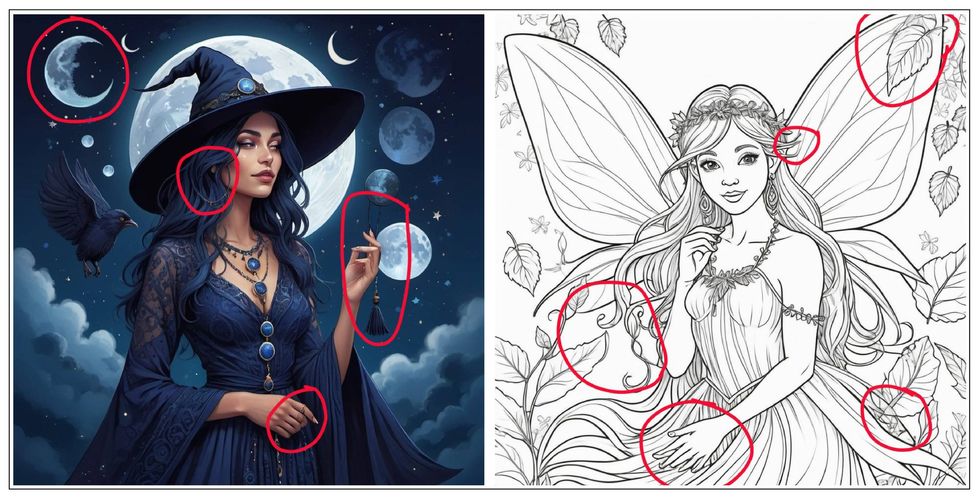
- Unnatural textures or patterns: AI-generated images often exhibit textures and patterns that seem overly uniform or repetitive. Pay close attention to details like hair, skin, or fabric.
- Inconsistent details: Look for inconsistencies in the image, such as distorted hands, mismatched earrings, or unnatural-looking shadows and lighting. AI models can struggle with complex details.
- Lack of depth or perspective: AI-generated images might lack a realistic sense of depth or have awkward perspective issues.
- Overly smooth or blurry areas: AI models sometimes struggle with sharp lines and details, resulting in excessively smooth or blurry areas in the image.
- Repetitive elements or artifacts: Look for repeating elements within the image and strange artifacts or glitches that might be a byproduct of the AI model.
- Vague or generic descriptions: AI-generated art might be accompanied by vague or generic descriptions lacking specific details or insights about the artwork.
- Lack of artist information or credit: If there is no information about the artist or the creation process, it could be a sign that the art is AI-generated.
When in doubt, research the source of the design before using it commercially. Investing more in an authentic, hand-crafted design is better than risk legal issues down the line. Your customers will appreciate the care and attention you put into your products.
The Impact on Human Artists
The proliferation of AI-generated art isn't just a concern for sellers – it also poses significant challenges for human artists:
- Competition for Commissions: AI-generated art could be seen as a cheaper or more efficient alternative to human-created art, leading to a loss of commissions and jobs for human artists.
- Devaluation of Human Art: If AI-generated art becomes widely accepted, it could lead to a general devaluation of human art and make it harder for artists to command fair prices for their work.
- Loss of Uniqueness and Authenticity: Part of human art's value comes from the individual artist's unique perspective and creative expression. AI-generated art could diminish the perceived value and authenticity of human-created work.
- Intellectual Property Concerns: There are open questions around the intellectual property rights of AI-generated art and how that could impact human artists' ability to protect and profit from their own work.
Protecting Your Business and Supporting Human Creativity
If you're a seller considering using AI-generated art, here are some steps to protect yourself:
- Transparent Disclosure: Clearly state when a product features AI-generated art.
- Understand Your Rights: Carefully read the terms of service for any AI art tool you use.
- Seek Legal Advice: Consult with an intellectual property lawyer to understand your risks and protections.
- Understand the policies of your chosen selling platform: While some marketplaces like Etsy or eBay have more lenient guidelines regarding AI-generated content, others such as Handmade.com and Folksy prioritize authentic handmade creations and prohibit the sale of AI-produced art. Before listing your items, carefully review each platform's rules to ensure compliance and maintain the integrity of your business.
- Explore Alternatives: Consider working directly with human artists or graphic designers.

Looking Ahead
As AI technology continues to evolve, its role in design and art will undoubtedly grow. However, successful sellers and artists will find ethical, transparent ways to navigate this new landscape while prioritizing human creativity and maintaining customer trust.
By carefully considering the implications of AI-generated art and making informed decisions about your product designs or artistic practice, you can build a sustainable, ethical business or career that resonates with customers and stands the test of time. Remember, in a world increasingly dominated by artificial intelligence, the unique value of human creativity and authenticity may become more precious than ever.
A Note from Handmade.com:
At Handmade.com, we celebrate the unique spirit of handmade creations and the artists behind them. We believe that the personal stories, techniques, and emotions poured into each piece by our talented community are what make their creations truly special.
We also believe technology should work for makers, not against them. That's why we use AI-powered tools to help artists run their businesses more efficiently -- from listing their items to managing their shops -- so they can spend more time doing what they love: creating.
But there's an important distinction between using AI as a business tool and using AI to generate the art itself. Handmade.com remains committed to authentic, human-made goods. Our guidelines prohibit the sale of AI-generated art, ensuring our marketplace stays true to the makers and the craft behind every item.
We're grateful for the vibrant community of artists and makers who call Handmade.com home. Your creativity, dedication, and craftsmanship are what make this place special -- and we're here to help you thrive.
 Corral Petroleo by
 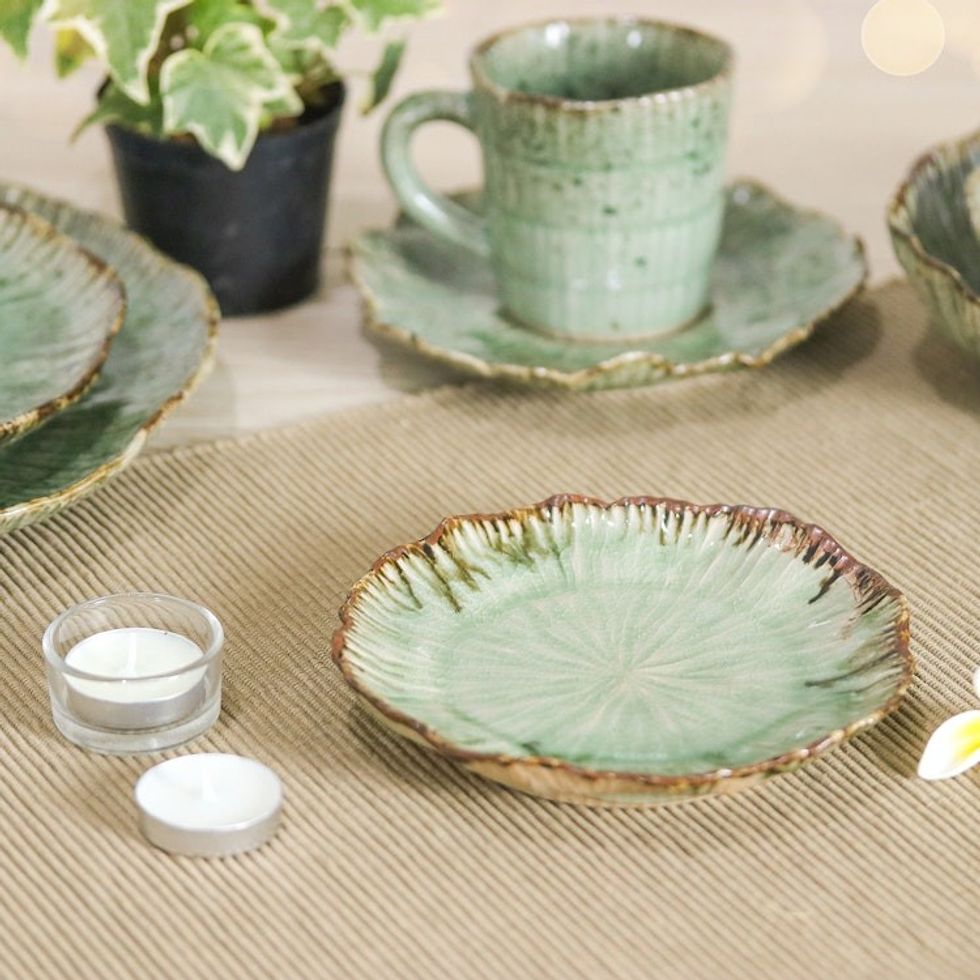 Lotus-Themed Speckled Green Celadon Ceramic Appetizer Plate by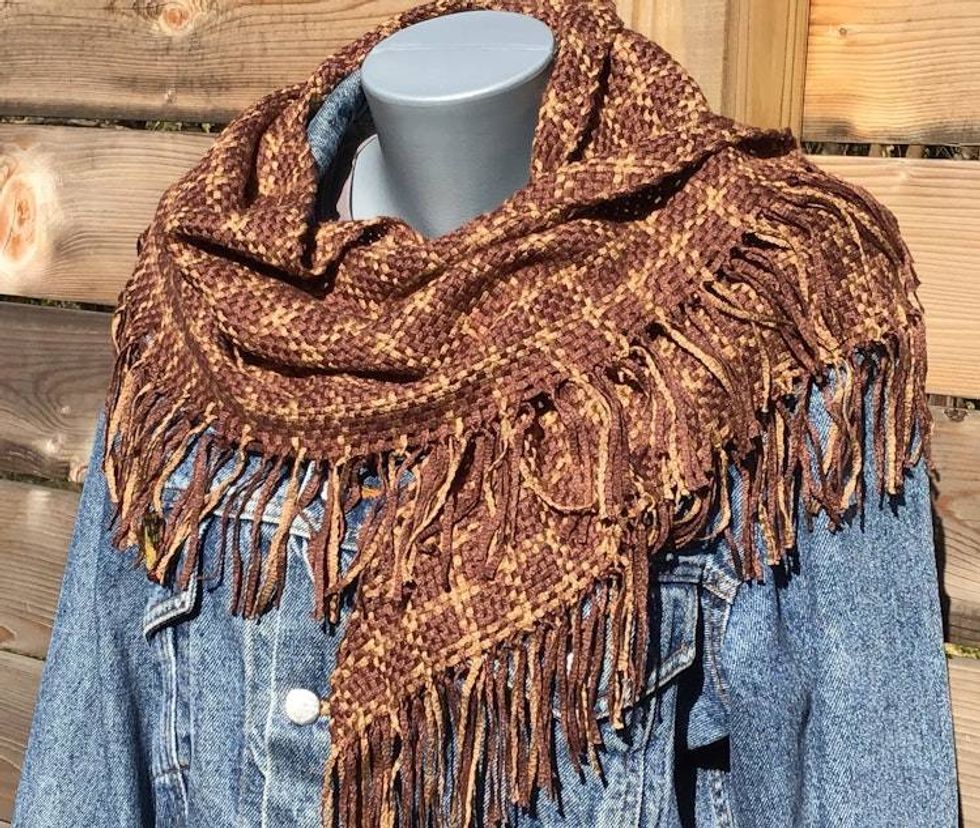
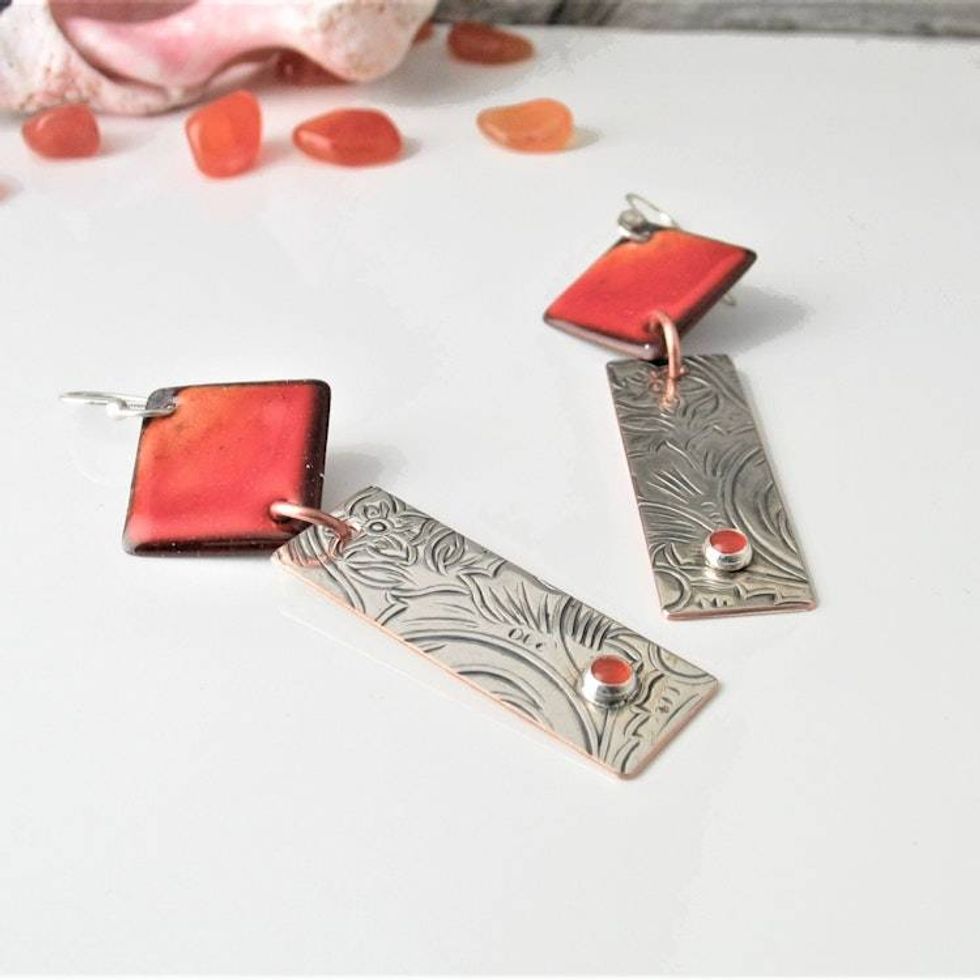 Carnelian Gemstone Sunset Orange Earrings with Silver Bar by