

Related products
Trending searches this week
Home Decor
- Wall Decor (1882)
- Decor Accessories (2785)
- Tableware (0)
- Holiday Decor & Ornaments (0)
- Outdoor Living (0)
- Pillows & Throws (439)
- Furniture (185)
- Musical Instruments (0)
- Baskets (0)
- Chess Sets Games (0)
- Jewelry Boxes (0)
- Kitchen & Dining (2146)
- Vases & Vessels (523)
- Outdoor & Garden (641)
- Holiday Decor (1729)
- Candles & Lighting (354)
- Bathroom (0)
- Bedding (7)
- Car Accessories (0)
- Nursery & Kids Room (7)
- Office & Desk (150)
- Rugs & Textiles (209)
- Storage & Organization (71)
Accessories
- Hats (224)
- Keychains and Straps (129)
- Hair Accessories (97)
- Other Accessories (143)
- Walking Sticks (0)
- Footwear (24)
- Bags & Purses (1638)
- Scarves & Wraps (1558)
- Belts & Sashes (68)
- Ties & Formal Accessories (5)
- Gloves & Mittens (122)
- Baby & Kids Accessories (5)
- Luggage & Travel (4)
- Tech Accessories (100)

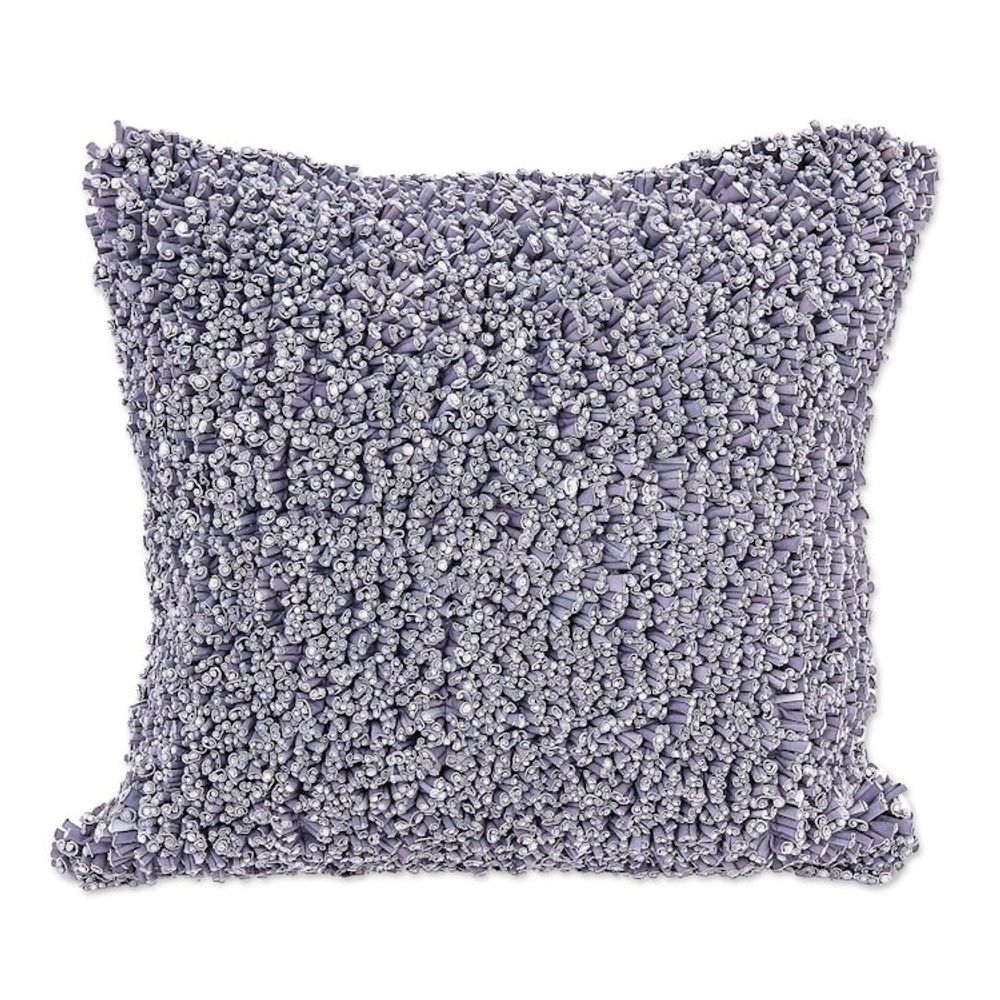
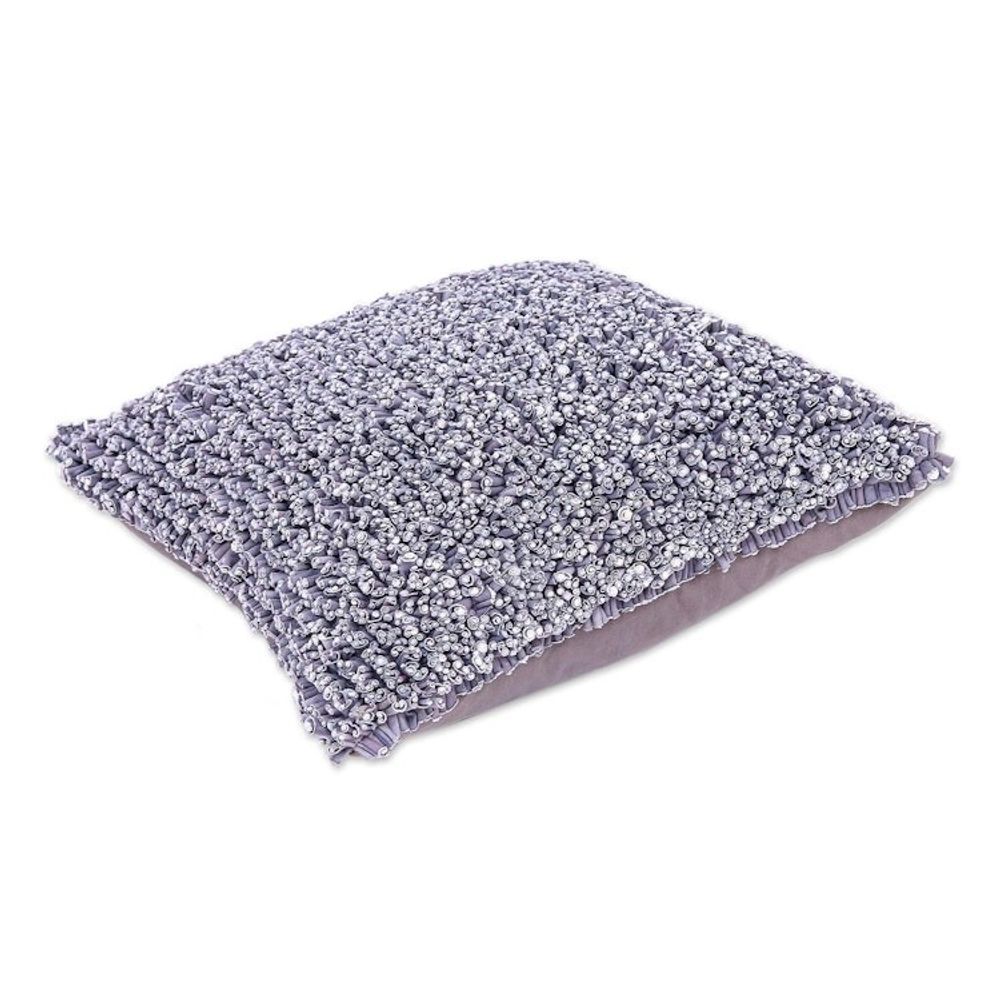
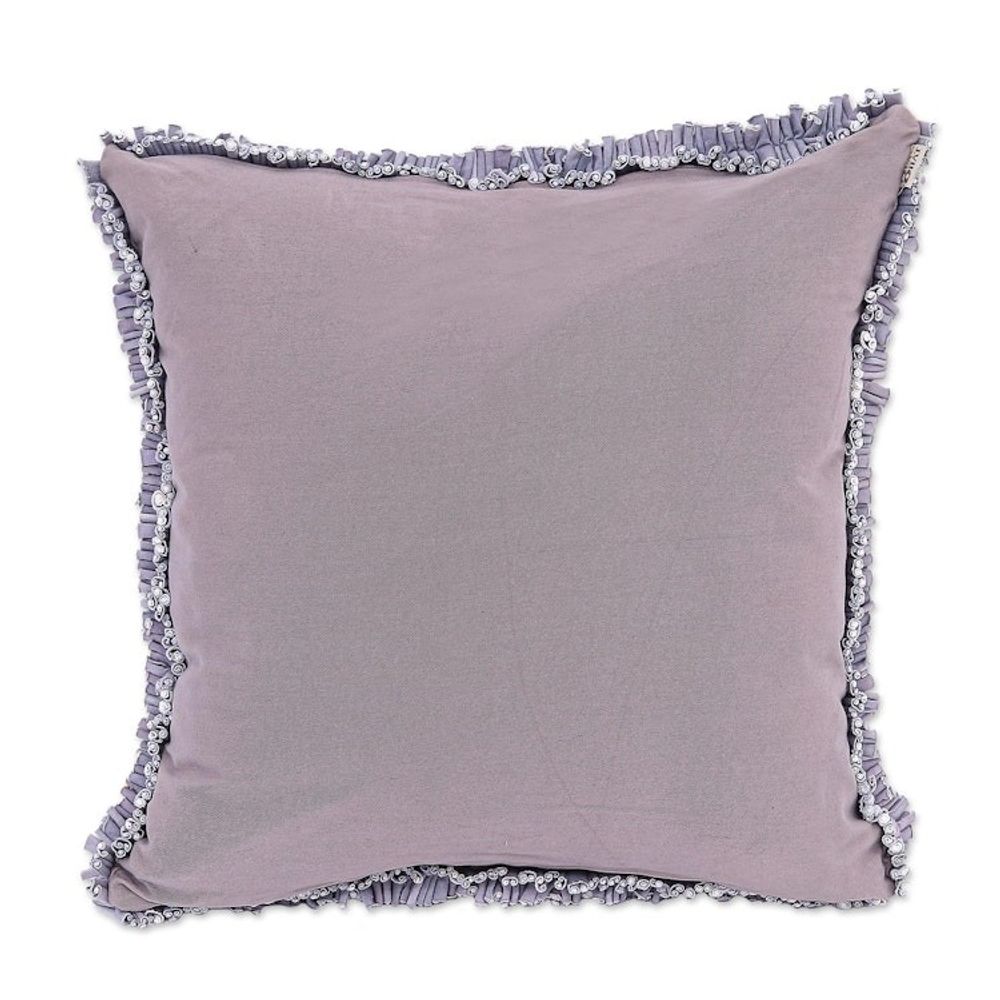
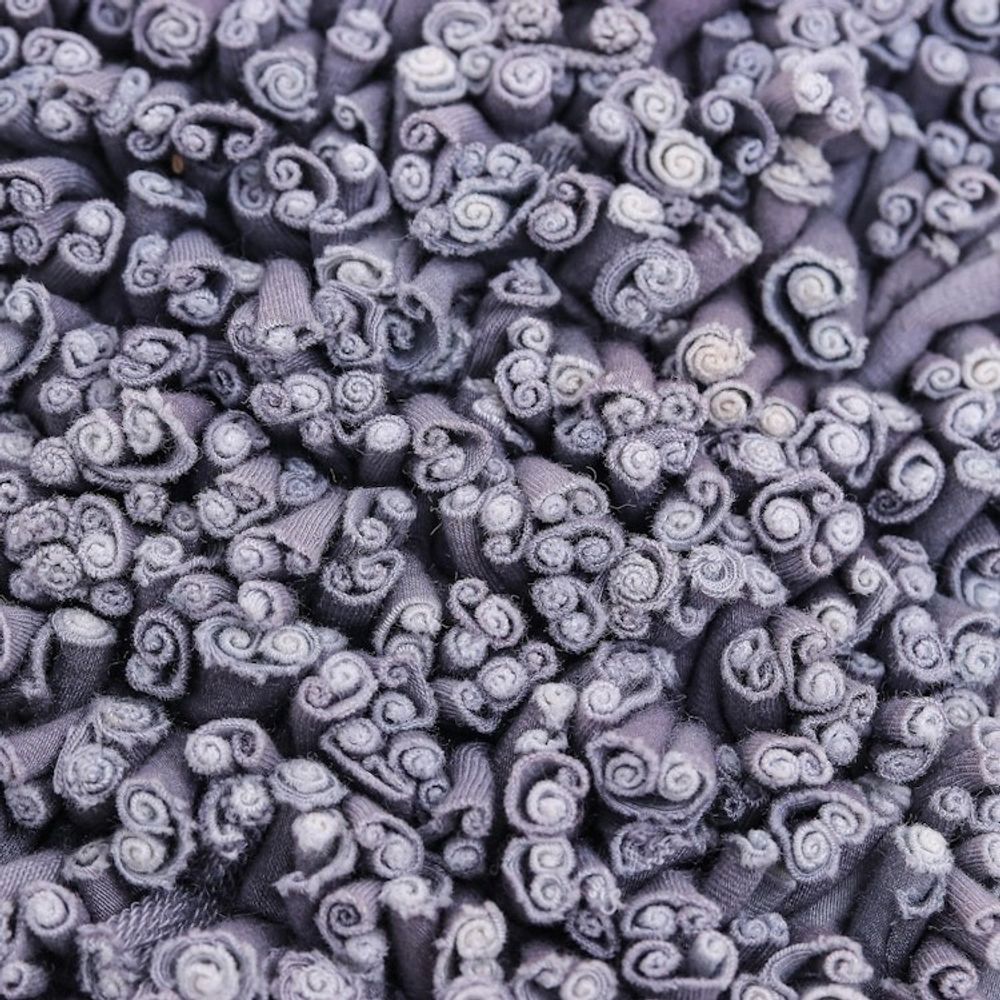

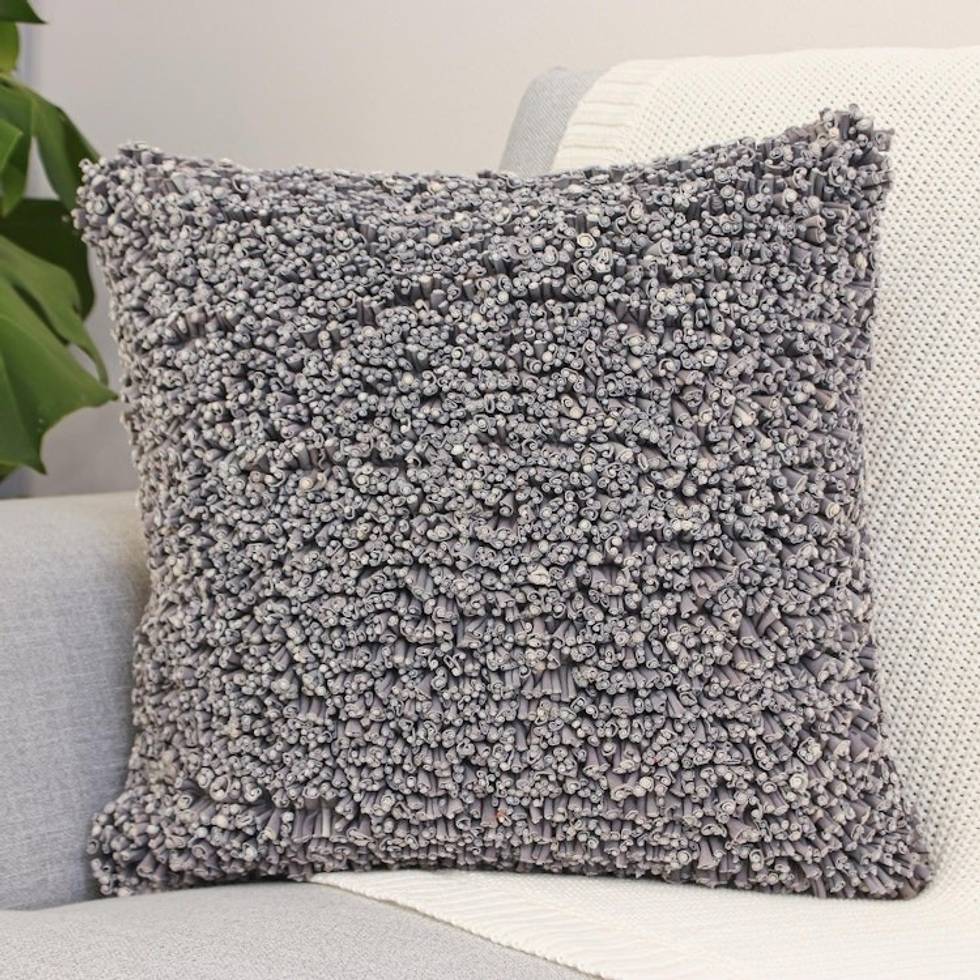
Eco-Friendly Cotton Cushion Cover from Thailand 'Popcorn in Grey' Item ID: 2671799875
$114.99-1+
 Add to favorites
 In your favorites.
This is your own listing item.
- 3.12 lb
- 18.5 inches H x 18.5 inches W x 1 inches D
- 1.87 lbs
- 18.5 inches H x 18.5 inches W x 1 inches D
- 100% cotton
- Cushion(s) not included
- Features a zipper closure
- Hand wash cold with mild detergent
- Hand-crafted item -- color
- size and/or motif may vary slightly
 Made in Thailand
100% Happiness Guaranteed!
 Shop with Confidence
 Easy 30 day returns!
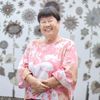
"I was born in 1952, the sixth child of the family. My nickname is Lha, which denotes the youngest child, but it turns out that there are two more children who were born after me. Although I graduated from the faculty of education at Chiang Mai University, I didn't become a teacher. I helped out at my family handicraft shop, a store my father founded. Most of the things we sold were fabric-related, since my father was a design teacher specialized in silk brocade.
"The creative genes I inherited from my parents allowed me to be where I am today. As a child, I had very little training in art and design. The handicraft skills I knew were only the basics I learned in secondary school. My interest was piqued began when I was working for my father. I was lucky to see many different types of handicrafts and meet with other craft advocates from Thailand and around the world. When I was a child, I asked myself if this was the only way to make things. After that, when I got back from school, I started making experimenting, creating designs from fabric scraps.
"Memories of my childhood shape my perspective, ideas, and who I am as a designer. I can still recall the freshness of morning air, the beautiful misty sunrises, and the friendly morning market of Phrao in Chiang Mai, where my grandmother lives. It was a small rural town with no electricity, but full of compassion and forgiveness. Countless summers of my childhood were spent there, where I learned to use things more sustainably, and to love and be respectful of nature. I grew fond of the simple but meaningful way of life that my grandmother and my mother lived. These are the core values I carried into my work.
"In 1987, I set up my workshop to create textile items for my family and also make eco-friendly, handwoven home decor items. I used remnants and fabric scraps, just to make my work different.
"My latest collection is eco-printed with a unique technique known in the local dialect as ouke, a Northern Thai word that means 'ripen by heat.' The first step is to collect the leaves and ferment them, soaking them in water for two to three night. Then I then paste them on white cotton fabric and roll or fold it tightly to finish before placing it in a steamer or boiling pot for a night or two. Overall, one batch takes up to five nights to finish. The most fun comes when I unfold the cloth and peel away the leaves because, when we start, we don't know what the cloth will look like when finished.
"I began using the ouke technique during in the rainy season of 2017. One day while I was in the workshop, a manager pointed at the leaves on the floor — deciduous tree leaves that had rotted on the cement floor. Other people might not be attracted to a stain on the floor. But then I realized, 'Oh, if the cement floor is still colored, this can be done on fabric, too.'
"Because I work with a natural material, many factors affect the color and pattern. The time when the leaves are collected and the individual substances used to ripen the leaves can all control the color intensity. Even the methods of steaming or boiling give different results. If the fabric is boiled, there will be fuzzy patterns and stained colors, but steaming is required if you want freshness and clarity of pattern. This is what I have learned throughout my two years of testing.
"My success is not because I am smart, or have creativity. We have come this far because we have three principles. First, we add value by upcycling. Second, we create 100 percent handmade designs. We let villagers work to preserve their local wisdom and strengthen their community. Third, we usually use earth tones, which are natural colors.
"Since 1987, my workshop has contributed to the local community by offering full-time work to some thirty artisan women, and freelance job opportunities to skilled artisans. Both the workshop and the village have become a part of one other.
"I hope you will experience joy in each design and that you can feel the unique touch of Chiang Mai in every item you acquire. Thank you."
3 Reviews for
 Wilai
May 3, 2023
★★★★★
R
Rachel
This dress fits perfectly, I ordered based on the size in the artist's drop menu, not the standard size chart, and it was exactly right! It's a great balance between flowy and solid, and it's a perfect length with a standard slip under. The pattern is beautiful and organic–100% would recomend!
Reviewed item
January 29, 2023
★★★★★
M
Merle
This was a gift to a longtime friend whom I know would appreciate this excellent crafted Cottom ornament, 'Happy Aqua Hone". Needless to say, that she loves it very much. It came as a surprise for her to place it in a perfect place in her home. The colors are magnificent and the pattern is gorgeous! This is a perfect gift for anyone who appreciates awesome craftsmanship.
Reviewed item
September 16, 2022
★★★★★
C
Cassandra
Love this. Beautiful colors. I wear it with everything!!
Reviewed item


Wilai organically dyed textile accessories and decor
"I was born in 1952, the sixth child of the family. My nickname is Lha, which denotes the youngest child, but it turns out that there are two more children who were born after me. Although I graduated from the faculty of education at Chiang Mai University, I didn't become a teacher. I helped out at my family handicraft shop, a store my father founded. Most of the things we sold were fabric-related, since my father was a design teacher specialized in silk brocade.
"The creative genes I inherited from my parents allowed me to be where I am today. As a child, I had very little training in art and design. The handicraft skills I knew were only the basics I learned in secondary school. My interest was piqued began when I was working for my father. I was lucky to see many different types of handicrafts and meet with other craft advocates from Thailand and around the world. When I was a child, I asked myself if this was the only way to make things. After that, when I got back from school, I started making experimenting, creating designs from fabric scraps.
"Memories of my childhood shape my perspective, ideas, and who I am as a designer. I can still recall the freshness of morning air, the beautiful misty sunrises, and the friendly morning market of Phrao in Chiang Mai, where my grandmother lives. It was a small rural town with no electricity, but full of compassion and forgiveness. Countless summers of my childhood were spent there, where I learned to use things more sustainably, and to love and be respectful of nature. I grew fond of the simple but meaningful way of life that my grandmother and my mother lived. These are the core values I carried into my work.
"In 1987, I set up my workshop to create textile items for my family and also make eco-friendly, handwoven home decor items. I used remnants and fabric scraps, just to make my work different.
"My latest collection is eco-printed with a unique technique known in the local dialect as ouke, a Northern Thai word that means 'ripen by heat.' The first step is to collect the leaves and ferment them, soaking them in water for two to three night. Then I then paste them on white cotton fabric and roll or fold it tightly to finish before placing it in a steamer or boiling pot for a night or two. Overall, one batch takes up to five nights to finish. The most fun comes when I unfold the cloth and peel away the leaves because, when we start, we don't know what the cloth will look like when finished.
"I began using the ouke technique during in the rainy season of 2017. One day while I was in the workshop, a manager pointed at the leaves on the floor — deciduous tree leaves that had rotted on the cement floor. Other people might not be attracted to a stain on the floor. But then I realized, 'Oh, if the cement floor is still colored, this can be done on fabric, too.'
"Because I work with a natural material, many factors affect the color and pattern. The time when the leaves are collected and the individual substances used to ripen the leaves can all control the color intensity. Even the methods of steaming or boiling give different results. If the fabric is boiled, there will be fuzzy patterns and stained colors, but steaming is required if you want freshness and clarity of pattern. This is what I have learned throughout my two years of testing.
"My success is not because I am smart, or have creativity. We have come this far because we have three principles. First, we add value by upcycling. Second, we create 100 percent handmade designs. We let villagers work to preserve their local wisdom and strengthen their community. Third, we usually use earth tones, which are natural colors.
"Since 1987, my workshop has contributed to the local community by offering full-time work to some thirty artisan women, and freelance job opportunities to skilled artisans. Both the workshop and the village have become a part of one other.
"I hope you will experience joy in each design and that you can feel the unique touch of Chiang Mai in every item you acquire. Thank you."
Handmade: A Global Artisan Marketplace Chiang Mai, Thailand

Thailand Artisan Empowerment Hub
In Thailand, artistic skills and traditions have been passed down from generation to generation. As you explore our Thailand Collection you will discover handwoven silks and hand embroidered textiles, celadon and benjarong pottery, teak carvings, lacquerware and exquisite jewelry. All are handcrafted in traditional and contemporary designs by talented Thai artisans.
Maker BadgeEmpowering Women
The Women's Empowerment badge is awarded to female artisans or artisan groups that are led by women.
More from this maker
Visit store









Other favorites
View more











100% Happiness Guaranteed
If you aren't in LOVE with your purchases, let us know within 30 days and we'll make it right.
- Easy Returns
- Hassle-free Exchange
- Dedicated Support

Powered by Human Creativity
Established alongside our parent company NOVICA
10K+
Master Artisans
1M+
Happy Customers
25 yrs
Empowering Makers
4.8
Average Rating
More than a Marketplace
Enjoyed by over 1,000,000
customers across 50+ countries
Powered by NOVICA, a beloved global leader
in fair trade artisan goods.
Go!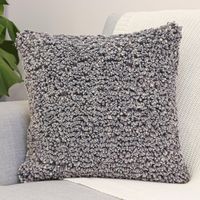
Item added to your cart!
Eco-Friendly Cotton Cushion Cover from Thailand 'Popcorn in Grey'
Quantity:


Powered by

Partners and Collaborators




© 2026 
 You havein your cartTop