

Related products
Trending searches this week
Home Decor
- Wall Decor (1879)
- Decor Accessories (2786)
- Tableware (0)
- Holiday Decor & Ornaments (0)
- Outdoor Living (0)
- Pillows & Throws (432)
- Furniture (185)
- Musical Instruments (0)
- Baskets (0)
- Chess Sets Games (0)
- Jewelry Boxes (0)
- Kitchen & Dining (2143)
- Vases & Vessels (537)
- Outdoor & Garden (642)
- Holiday Decor (1710)
- Candles & Lighting (360)
- Bathroom (0)
- Bedding (7)
- Car Accessories (0)
- Nursery & Kids Room (0)
- Office & Desk (150)
- Rugs & Textiles (208)
- Storage & Organization (68)
Accessories
- Hats (208)
- Keychains and Straps (126)
- Hair Accessories (95)
- Other Accessories (142)
- Walking Sticks (0)
- Footwear (24)
- Bags & Purses (1635)
- Scarves & Wraps (1555)
- Belts & Sashes (68)
- Ties & Formal Accessories (5)
- Gloves & Mittens (106)
- Baby & Kids Accessories (5)
- Luggage & Travel (4)
- Tech Accessories (100)

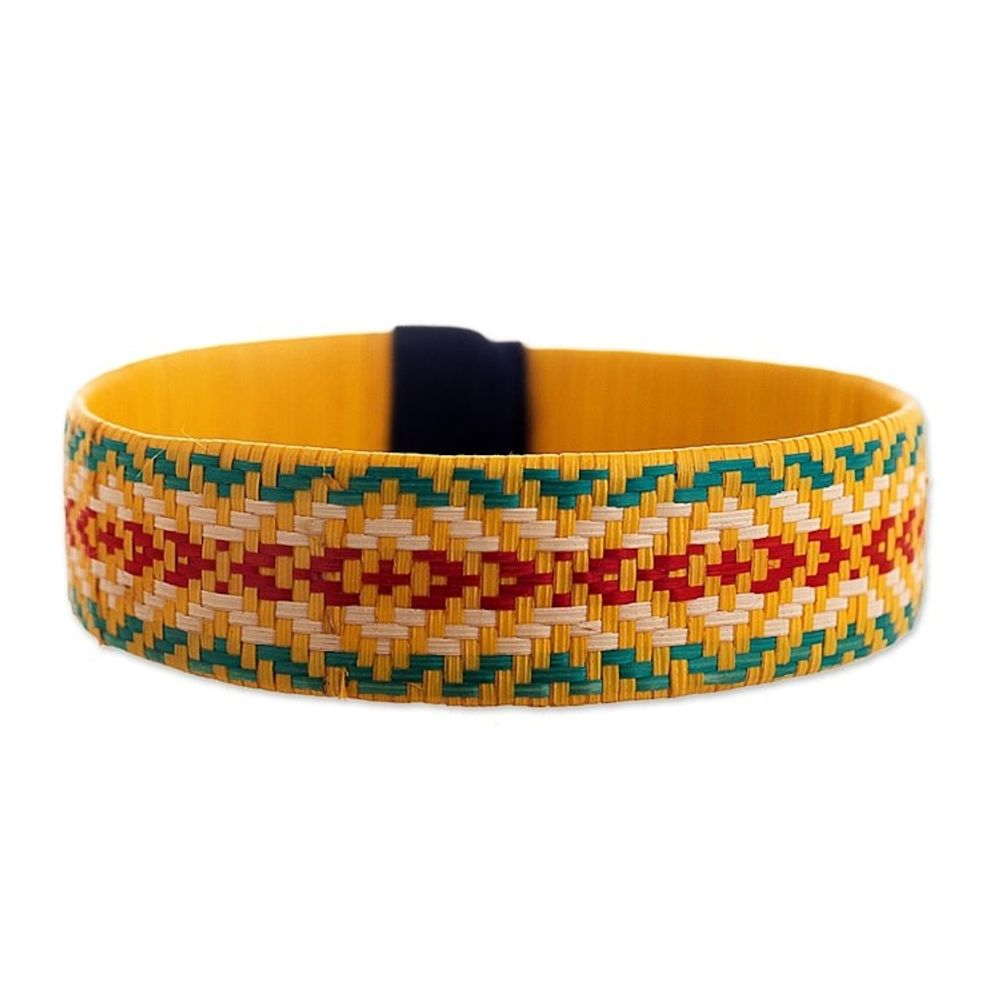
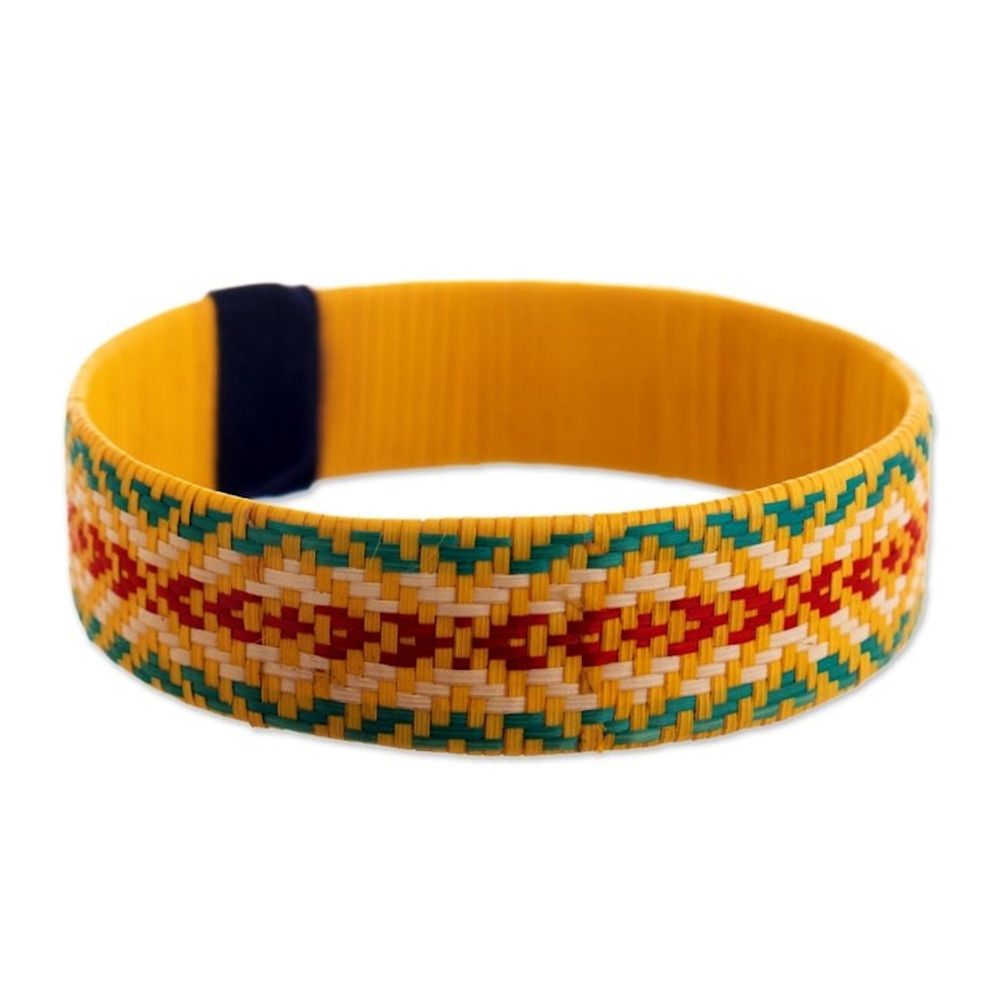
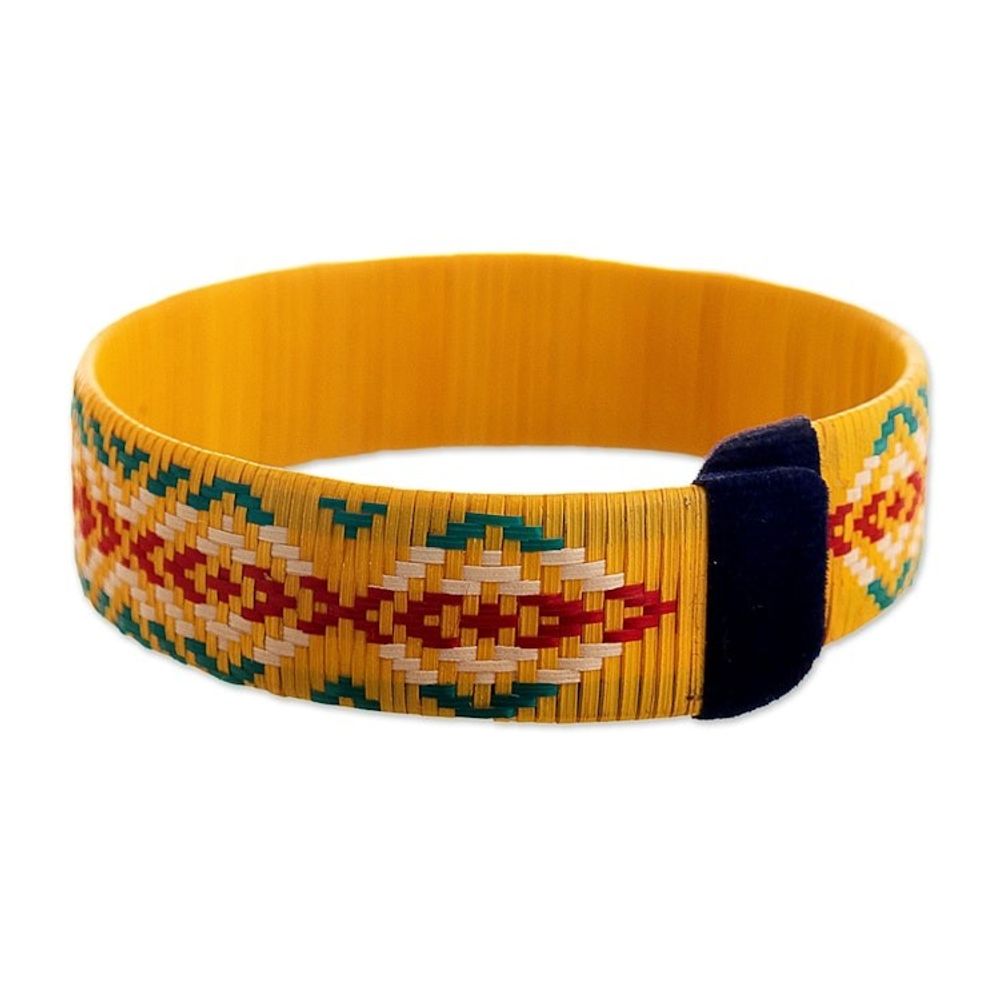

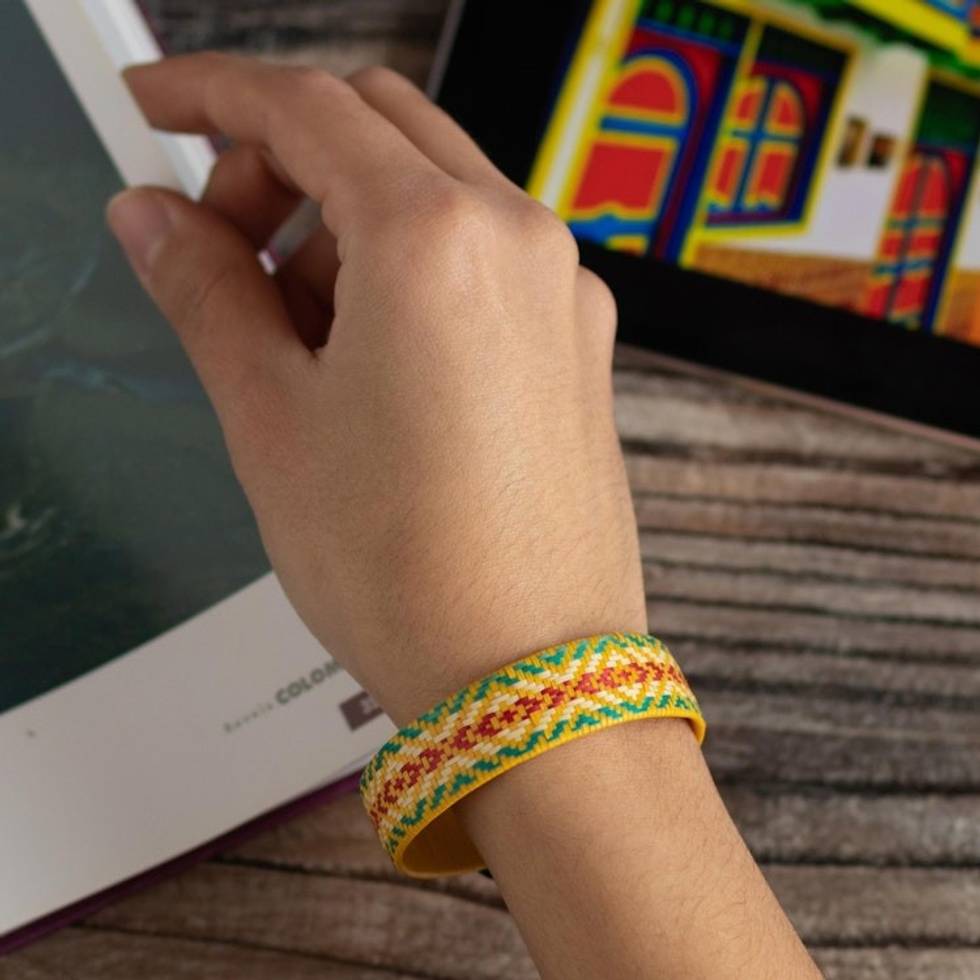
Colorful Handwoven Cuff Bracelet 'Wise Ways' Item ID: 2671690075
$17.99-1+
 Add to favorites
 In your favorites.
This is your own listing item.
- 0.31 lb
- 7 inches L (end to end),0.6 inches W
- 0.21 oz
- 7 inches L (end to end)
- 0.6 inches W
- Caña flecha fiber
- PVC
- polyester
- Hand-crafted item -- color
- size and/or motif may vary slightly
 Made in Colombia
100% Happiness Guaranteed!
 Shop with Confidence
 Easy 30 day returns!
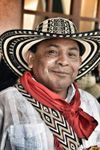
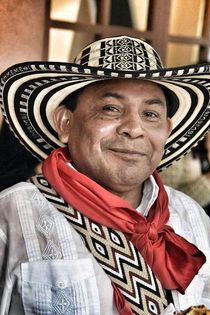
The Zenú are an Indigenous people in Colombia, whose ancestral territory comprises the Sinu Valleys and San Jorge Rivers as well as the Caribbean coast around the Gulf of Morrosquillo. For hundreds of years, they have been devoted to planting, cultivating, preparing, and braiding caña flecha (cane fiber). Caña flecha was originally used to build homes and to fabricate fishing rods, but the use of this fiber has evolved to wielding hats, baskets, handbags, backpacks, and bracelets.
Making an item from caña flecha is a lengthy process and truly involves the entire community. To make a sombrero vueltiao (turned hat), for example, the fiber must be dried, and the veins removed using a knife to obtain uniform strands. The strands are then tinted black, dark brown, and cream by soaking in natural, plant-based dyes and burying underground for up to two weeks. After the dyeing process, the fiber is woven into intricate braids used to form the hat. Sometimes a braid can contain up to twenty-eight fibers woven by hand. The sombrero is finally sewn together using a treadle sewing machine.
Most of the pintas—geometric symbols and patterns woven into hats and other items—are used to delineate specific clans within the Zenú Tribe. One clan symbol, for instance, is the flor de cocorilla (cocorilla flower), which is depicted with a large central diamond and eight small surrounding diamond dots. Historically, this flower is known as the source of a fruit eaten by the first inhabitants of the Zenú territory. Pintas are a true testament to different plants and animals native to the Tribe's territory. They also contain narratives of different life activities, such as hunting, fishing, the hacienda, and religion.
To keep these traditions alive, the Zenú teach caña flecha weaving and braiding at a local children's school. Through a unique curriculum, the school approaches ethnocultural knowledge by teaching students to always integrate craftwork with oral history. As the sombrero vueltaio and other Indigenous crafts continue to popularize across Colombia and the rest of the world, the Zenú people only hope that their customers come to know the heritage stories behind the products they treasure.
1 Review for
 Zenu Community
July 4, 2022
★★★★★
J
Jean A
Look forward to giving one to each of my Great Nieces all less than 7 years old with joy & satisfaction & love!
Reviewed item
The Zenú are an Indigenous people in Colombia, whose ancestral territory comprises the Sinu Valleys and San Jorge Rivers as well as the Caribbean coast around the Gulf of Morrosquillo. For hundreds of years, they have been devoted to planting, cultivating, preparing, and braiding caña flecha (cane fiber). Caña flecha was originally used to build homes and to fabricate fishing rods, but the use of this fiber has evolved to wielding hats, baskets, handbags, backpacks, and bracelets.
Making an item from caña flecha is a lengthy process and truly involves the entire community. To make a sombrero vueltiao (turned hat), for example, the fiber must be dried, and the veins removed using a knife to obtain uniform strands. The strands are then tinted black, dark brown, and cream by soaking in natural, plant-based dyes and burying underground for up to two weeks. After the dyeing process, the fiber is woven into intricate braids used to form the hat. Sometimes a braid can contain up to twenty-eight fibers woven by hand. The sombrero is finally sewn together using a treadle sewing machine.
Most of the pintas—geometric symbols and patterns woven into hats and other items—are used to delineate specific clans within the Zenú Tribe. One clan symbol, for instance, is the flor de cocorilla (cocorilla flower), which is depicted with a large central diamond and eight small surrounding diamond dots. Historically, this flower is known as the source of a fruit eaten by the first inhabitants of the Zenú territory. Pintas are a true testament to different plants and animals native to the Tribe's territory. They also contain narratives of different life activities, such as hunting, fishing, the hacienda, and religion.
To keep these traditions alive, the Zenú teach caña flecha weaving and braiding at a local children's school. Through a unique curriculum, the school approaches ethnocultural knowledge by teaching students to always integrate craftwork with oral history. As the sombrero vueltaio and other Indigenous crafts continue to popularize across Colombia and the rest of the world, the Zenú people only hope that their customers come to know the heritage stories behind the products they treasure.
Read full story →

Zenu Community handwoven natural fiber accessories and jewelry
The Zenú are an Indigenous people in Colombia, whose ancestral territory comprises the Sinu Valleys and San Jorge Rivers as well as the Caribbean coast around the Gulf of Morrosquillo. For hundreds of years, they have been devoted to planting, cultivating, preparing, and braiding caña flecha (cane fiber). Caña flecha was originally used to build homes and to fabricate fishing rods, but the use of this fiber has evolved to wielding hats, baskets, handbags, backpacks, and bracelets.
Making an item from caña flecha is a lengthy process and truly involves the entire community. To make a sombrero vueltiao (turned hat), for example, the fiber must be dried, and the veins removed using a knife to obtain uniform strands. The strands are then tinted black, dark brown, and cream by soaking in natural, plant-based dyes and burying underground for up to two weeks. After the dyeing process, the fiber is woven into intricate braids used to form the hat. Sometimes a braid can contain up to twenty-eight fibers woven by hand. The sombrero is finally sewn together using a treadle sewing machine.
Most of the pintas—geometric symbols and patterns woven into hats and other items—are used to delineate specific clans within the Zenú Tribe. One clan symbol, for instance, is the flor de cocorilla (cocorilla flower), which is depicted with a large central diamond and eight small surrounding diamond dots. Historically, this flower is known as the source of a fruit eaten by the first inhabitants of the Zenú territory. Pintas are a true testament to different plants and animals native to the Tribe's territory. They also contain narratives of different life activities, such as hunting, fishing, the hacienda, and religion.
To keep these traditions alive, the Zenú teach caña flecha weaving and braiding at a local children's school. Through a unique curriculum, the school approaches ethnocultural knowledge by teaching students to always integrate craftwork with oral history. As the sombrero vueltaio and other Indigenous crafts continue to popularize across Colombia and the rest of the world, the Zenú people only hope that their customers come to know the heritage stories behind the products they treasure.
Making an item from caña flecha is a lengthy process and truly involves the entire community. To make a sombrero vueltiao (turned hat), for example, the fiber must be dried, and the veins removed using a knife to obtain uniform strands. The strands are then tinted black, dark brown, and cream by soaking in natural, plant-based dyes and burying underground for up to two weeks. After the dyeing process, the fiber is woven into intricate braids used to form the hat. Sometimes a braid can contain up to twenty-eight fibers woven by hand. The sombrero is finally sewn together using a treadle sewing machine.
Most of the pintas—geometric symbols and patterns woven into hats and other items—are used to delineate specific clans within the Zenú Tribe. One clan symbol, for instance, is the flor de cocorilla (cocorilla flower), which is depicted with a large central diamond and eight small surrounding diamond dots. Historically, this flower is known as the source of a fruit eaten by the first inhabitants of the Zenú territory. Pintas are a true testament to different plants and animals native to the Tribe's territory. They also contain narratives of different life activities, such as hunting, fishing, the hacienda, and religion.
To keep these traditions alive, the Zenú teach caña flecha weaving and braiding at a local children's school. Through a unique curriculum, the school approaches ethnocultural knowledge by teaching students to always integrate craftwork with oral history. As the sombrero vueltaio and other Indigenous crafts continue to popularize across Colombia and the rest of the world, the Zenú people only hope that their customers come to know the heritage stories behind the products they treasure.
Handmade: A Global Artisan Marketplace Bogota, Colombia

Andes Artisan Empowerment Hub
Explore the Andes region, once home to the Inca, Wari, Chavin and other ancient empires. Today, the influences of these ancient civilizations can be found in the artistic handicraft traditions that artisans use to create the vast array of jewelry, home furnishings, pottery, textiles, paintings and folk art that preserve the diverse, complex heritage of this colorful Latin land.
More from this maker
Visit store













Other favorites
View more
















100% Happiness Guaranteed
If you aren't in LOVE with your purchases, let us know within 30 days and we'll make it right.
- Easy Returns
- Hassle-free Exchange
- Dedicated Support

Powered by Human Creativity
Established alongside our parent company NOVICA
10K+
Master Artisans
1M+
Happy Customers
25 yrs
Empowering Makers
4.8
Average Rating
More than a Marketplace
Enjoyed by over 1,000,000
customers across 50+ countries
Powered by NOVICA, a beloved global leader
in fair trade artisan goods.
Go!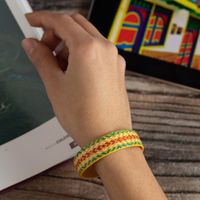
Item added to your cart!
Colorful Handwoven Cuff Bracelet 'Wise Ways'
Quantity:


Powered by

Partners and Collaborators




© 2026 
 You havein your cartTop