

Related products
Trending searches this week
Home Decor
- Wall Decor (1882)
- Decor Accessories (2785)
- Tableware (0)
- Holiday Decor & Ornaments (0)
- Outdoor Living (0)
- Pillows & Throws (439)
- Furniture (185)
- Musical Instruments (0)
- Baskets (0)
- Chess Sets Games (0)
- Jewelry Boxes (0)
- Kitchen & Dining (2146)
- Vases & Vessels (523)
- Outdoor & Garden (641)
- Holiday Decor (1729)
- Candles & Lighting (354)
- Bathroom (0)
- Bedding (7)
- Car Accessories (0)
- Nursery & Kids Room (7)
- Office & Desk (150)
- Rugs & Textiles (209)
- Storage & Organization (71)
Accessories
- Hats (224)
- Keychains and Straps (129)
- Hair Accessories (97)
- Other Accessories (143)
- Walking Sticks (0)
- Footwear (24)
- Bags & Purses (1638)
- Scarves & Wraps (1558)
- Belts & Sashes (68)
- Ties & Formal Accessories (5)
- Gloves & Mittens (122)
- Baby & Kids Accessories (5)
- Luggage & Travel (4)
- Tech Accessories (100)

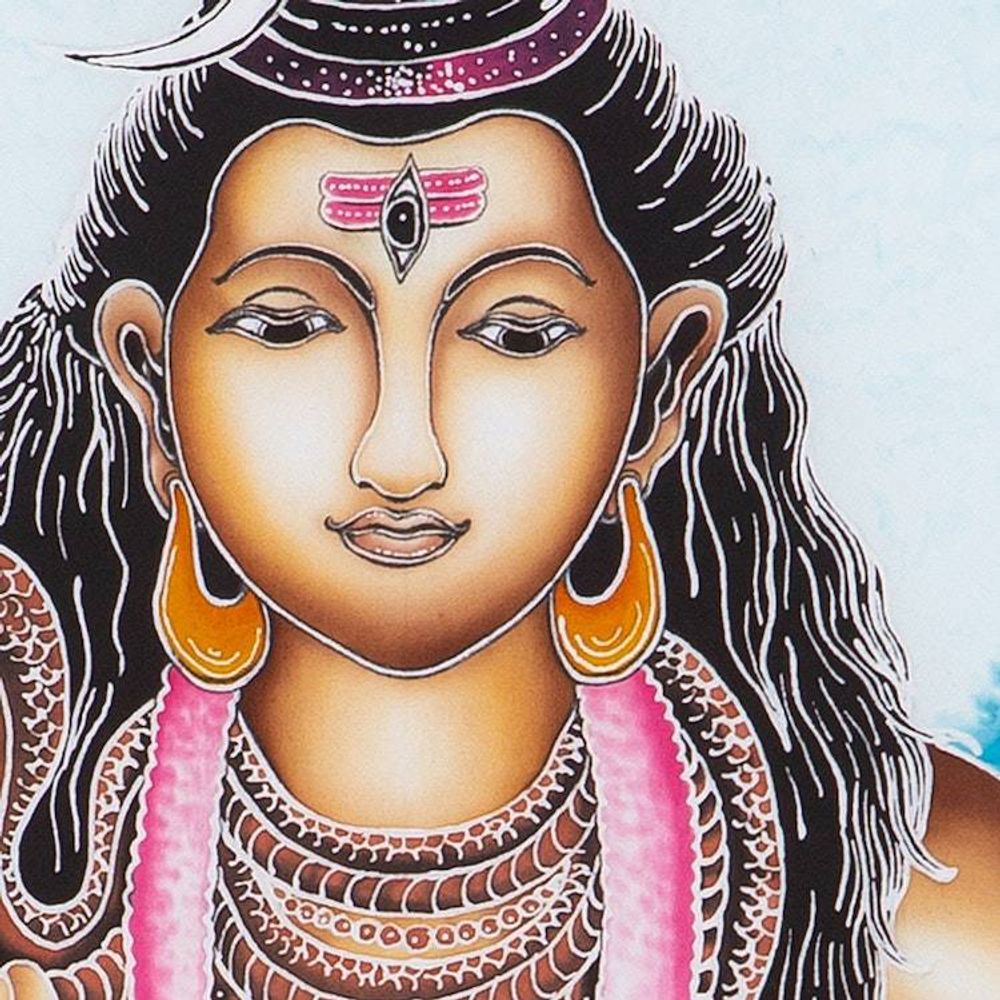

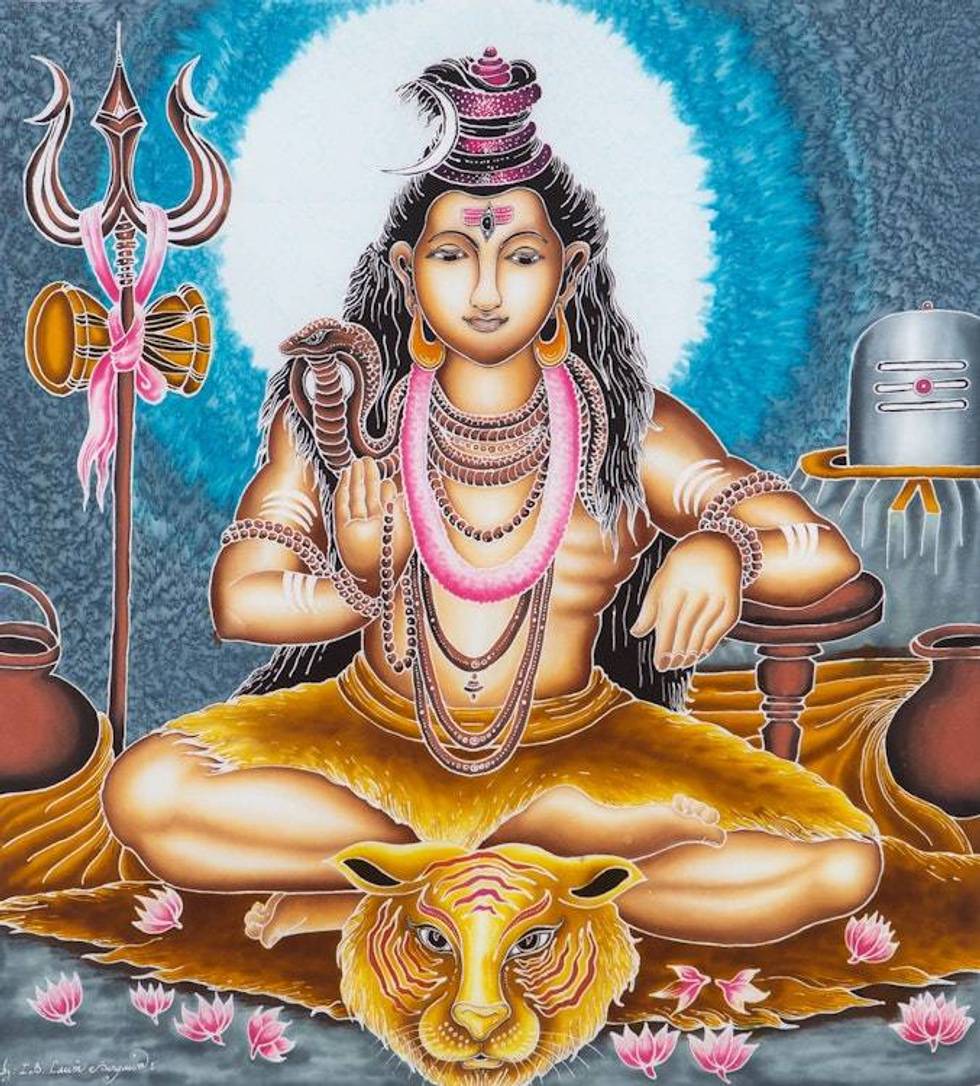
Balinese Fine Art Batik Painting of the Hindu Lord Shiva 'Blessing Shiva' Item ID: 2677102207
$104.99-1+
 Add to favorites
 In your favorites.
This is your own listing item.
- 0.37 lbs
- 27.5 inches W x 30.5 inches H
- Batik on cotton
- Hand-crafted item -- color
- size and/or motif may vary slightly
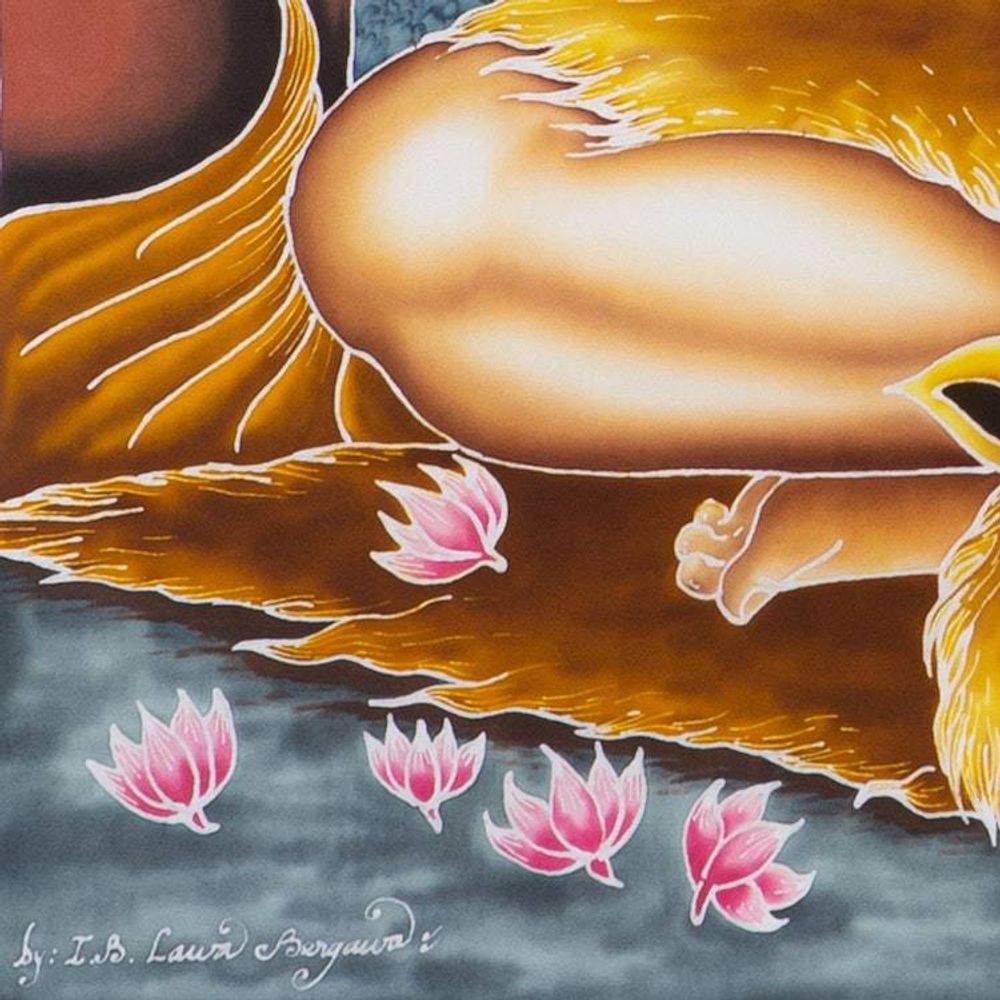
- Signed by the artist
 Made in Indonesia
100% Happiness Guaranteed!
 Shop with Confidence
 Easy 30 day returns!
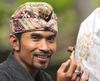
"I got art in my blood from my grandfather. He was a wood carver in the 1960s who knew a lot about traditional Balinese art. He has passed away but he handed this knowledge down to me. It has become my duty to preserve the traditional art of Bali that so many foreigners want to know about.
"I was taught to paint when I was just a child. My art progress began to be seen in elementary school and continued through high school where I represented the school in painting competitions and won regional third prize.
My family's economic situation didn't permit me to study any further. I had to help my parents with whatever works they needed. These economic difficulties made me brave in life.
"As time went by, I finally got a job related to art, working as a batik designer, and was able to raise enough money to finance our wedding in 2002. I am married and have two children.
"I began learning the art of batik from the beginning of the process to the finished piece. Fortunately, a batik artist from Yogyakarta, the center of batik, was my colleague there. He could not make a design, but understood all about coloring and we exchanged our knowledge. I learned diligently, absorbing all the batik technique he knows.
"I continued finding out things about batik from other people who knew it very well, learning techniques from Yogyakarta, Cirebon and Madura. At the same time, I entered a competition in prasi — drawing on palm leaves. I won the first prize for the Province of Bali. I was often assigned to teach foreign guests who wanted to learn batik, and I represented the art shop in batik exhibitions in Bali.
"The creation of sarongs, scarves, shirts, and batik paintings fulfilled my desire to develop this technique. However, today I am more focused on batik wall hangings, known as batik paintings.
"Eventually, I became bored and felt there was no significant development for me anymore in the art shop. My income there was so modest. Finally, I resigned and decided to make batik at home with my wife.
"The media I use are silk, cotton, and rayon fabric while the coloring material is a special dyestuff. Sometimes it's difficult to use those media, depending on price and quality.
"In the art of batik, the most interesting and challenging part for me has been the process of ngalowong or pencantingan, which is imitating the sketch with wax by canting freehand. It requires a high degree of patience, skill and prudence.
"My inspiration is spontaneous. It comes to me while watching TV, reading magazines, walking in the traditional markets, and participating in Bali's religious ceremonies. But I am most influenced when I meditate because, when I was a boy, I was so happy to do as taught by my grandfather. When I meditated a lot, it was the direct inspiration and I pour it into my design as I make the initial sketches. Once I find a good and interesting idea, I work straight from the design by myself until it is completed.
"My wife assists me by duplicating the initial sketch using a canting tool to apply the wax. She helps the boiling process of the batik, as well. I also work with the art shop to employ some of their women in the process of pencantingan.
"I design my own batik containing elements of Balinese culture combined with modern life. To obtain a unique work of art with a distinctive color, sometimes I combine local and national traditions or a touch of Western culture."


Ida Bagus Lawa Bargawa
"I got art in my blood from my grandfather. He was a wood carver in the 1960s who knew a lot about traditional Balinese art. He has passed away but he handed this knowledge down to me. It has become my duty to preserve the traditional art of Bali that so many foreigners want to know about.
"I was taught to paint when I was just a child. My art progress began to be seen in elementary school and continued through high school where I represented the school in painting competitions and won regional third prize.
My family's economic situation didn't permit me to study any further. I had to help my parents with whatever works they needed. These economic difficulties made me brave in life.
"As time went by, I finally got a job related to art, working as a batik designer, and was able to raise enough money to finance our wedding in 2002. I am married and have two children.
"I began learning the art of batik from the beginning of the process to the finished piece. Fortunately, a batik artist from Yogyakarta, the center of batik, was my colleague there. He could not make a design, but understood all about coloring and we exchanged our knowledge. I learned diligently, absorbing all the batik technique he knows.
"I continued finding out things about batik from other people who knew it very well, learning techniques from Yogyakarta, Cirebon and Madura. At the same time, I entered a competition in prasi — drawing on palm leaves. I won the first prize for the Province of Bali. I was often assigned to teach foreign guests who wanted to learn batik, and I represented the art shop in batik exhibitions in Bali.
"The creation of sarongs, scarves, shirts, and batik paintings fulfilled my desire to develop this technique. However, today I am more focused on batik wall hangings, known as batik paintings.
"Eventually, I became bored and felt there was no significant development for me anymore in the art shop. My income there was so modest. Finally, I resigned and decided to make batik at home with my wife.
"The media I use are silk, cotton, and rayon fabric while the coloring material is a special dyestuff. Sometimes it's difficult to use those media, depending on price and quality.
"In the art of batik, the most interesting and challenging part for me has been the process of ngalowong or pencantingan, which is imitating the sketch with wax by canting freehand. It requires a high degree of patience, skill and prudence.
"My inspiration is spontaneous. It comes to me while watching TV, reading magazines, walking in the traditional markets, and participating in Bali's religious ceremonies. But I am most influenced when I meditate because, when I was a boy, I was so happy to do as taught by my grandfather. When I meditated a lot, it was the direct inspiration and I pour it into my design as I make the initial sketches. Once I find a good and interesting idea, I work straight from the design by myself until it is completed.
"My wife assists me by duplicating the initial sketch using a canting tool to apply the wax. She helps the boiling process of the batik, as well. I also work with the art shop to employ some of their women in the process of pencantingan.
"I design my own batik containing elements of Balinese culture combined with modern life. To obtain a unique work of art with a distinctive color, sometimes I combine local and national traditions or a touch of Western culture."
Handmade: A Global Artisan Marketplace Ubud, Indonesia

Bali and Java Artisan Empowerment Hub
Come with us on a journey to the magical Indonesian islands of Bali & Java, where artistry is a way of life, and soothing tropical vibes ease away all stress and tension. These lands are famous for intricate wood carvings, divine silversmith work, and Batik designs that transport you to another time.
More from this maker
Visit store







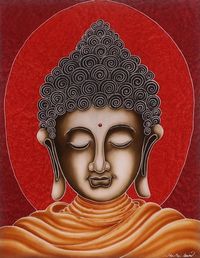


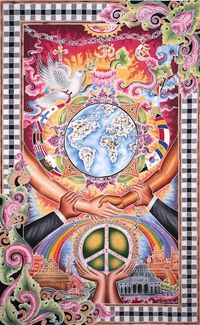


Other favorites
View more










100% Happiness Guaranteed
If you aren't in LOVE with your purchases, let us know within 30 days and we'll make it right.
- Easy Returns
- Hassle-free Exchange
- Dedicated Support

Powered by Human Creativity
Established alongside our parent company NOVICA
10K+
Master Artisans
1M+
Happy Customers
25 yrs
Empowering Makers
4.8
Average Rating
More than a Marketplace
Enjoyed by over 1,000,000
customers across 50+ countries
Powered by NOVICA, a beloved global leader
in fair trade artisan goods.
Go!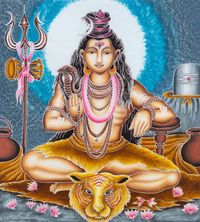
Item added to your cart!
Balinese Fine Art Batik Painting of the Hindu Lord Shiva 'Blessing Shiva'
Quantity:


Powered by

Partners and Collaborators




© 2026 
 You havein your cartTop