

Related products
Trending searches this week
Home Decor
- Wall Decor (1882)
- Decor Accessories (2786)
- Tableware (0)
- Holiday Decor & Ornaments (0)
- Outdoor Living (0)
- Pillows & Throws (436)
- Furniture (185)
- Musical Instruments (0)
- Baskets (0)
- Chess Sets Games (0)
- Jewelry Boxes (0)
- Kitchen & Dining (2145)
- Vases & Vessels (537)
- Outdoor & Garden (642)
- Holiday Decor (1713)
- Candles & Lighting (361)
- Bathroom (0)
- Bedding (7)
- Car Accessories (0)
- Nursery & Kids Room (1)
- Office & Desk (150)
- Rugs & Textiles (208)
- Storage & Organization (68)
Accessories
- Hats (210)
- Keychains and Straps (126)
- Hair Accessories (95)
- Other Accessories (143)
- Walking Sticks (0)
- Footwear (24)
- Bags & Purses (1635)
- Scarves & Wraps (1556)
- Belts & Sashes (68)
- Ties & Formal Accessories (5)
- Gloves & Mittens (106)
- Baby & Kids Accessories (5)
- Luggage & Travel (4)
- Tech Accessories (100)

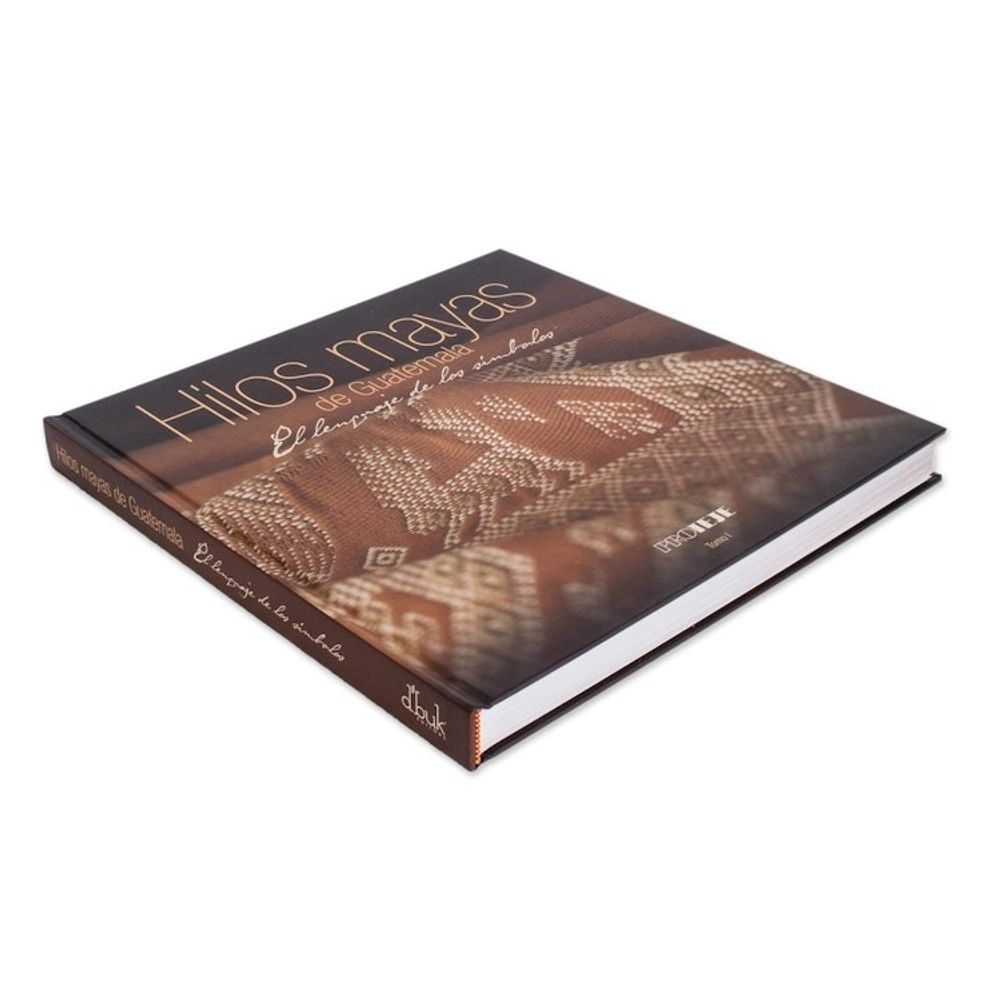
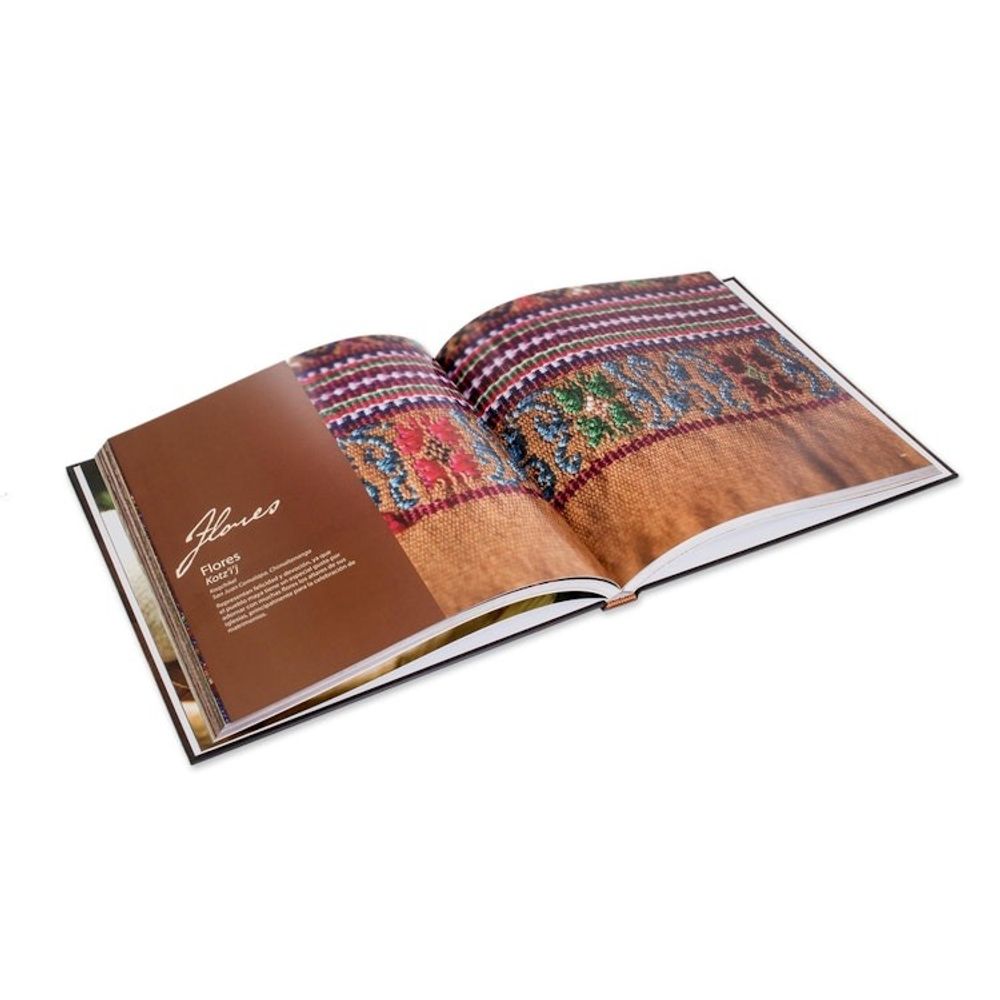
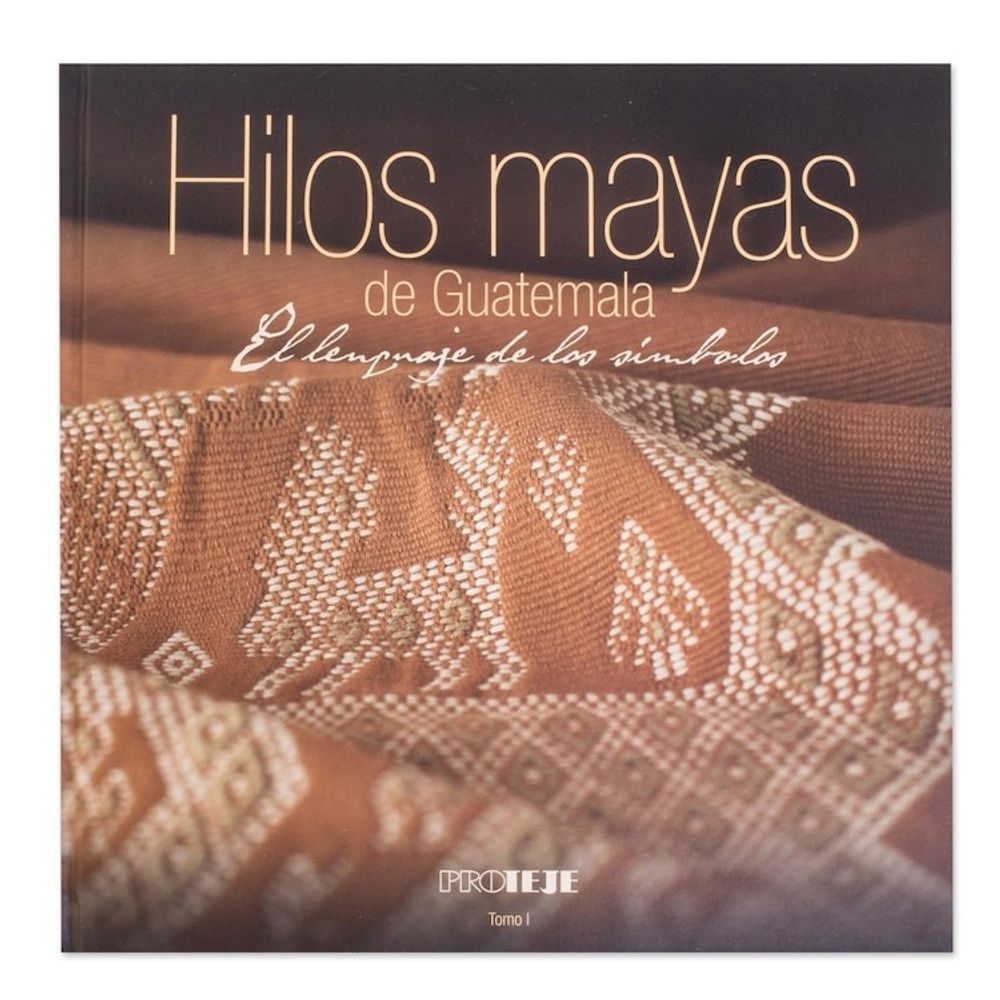
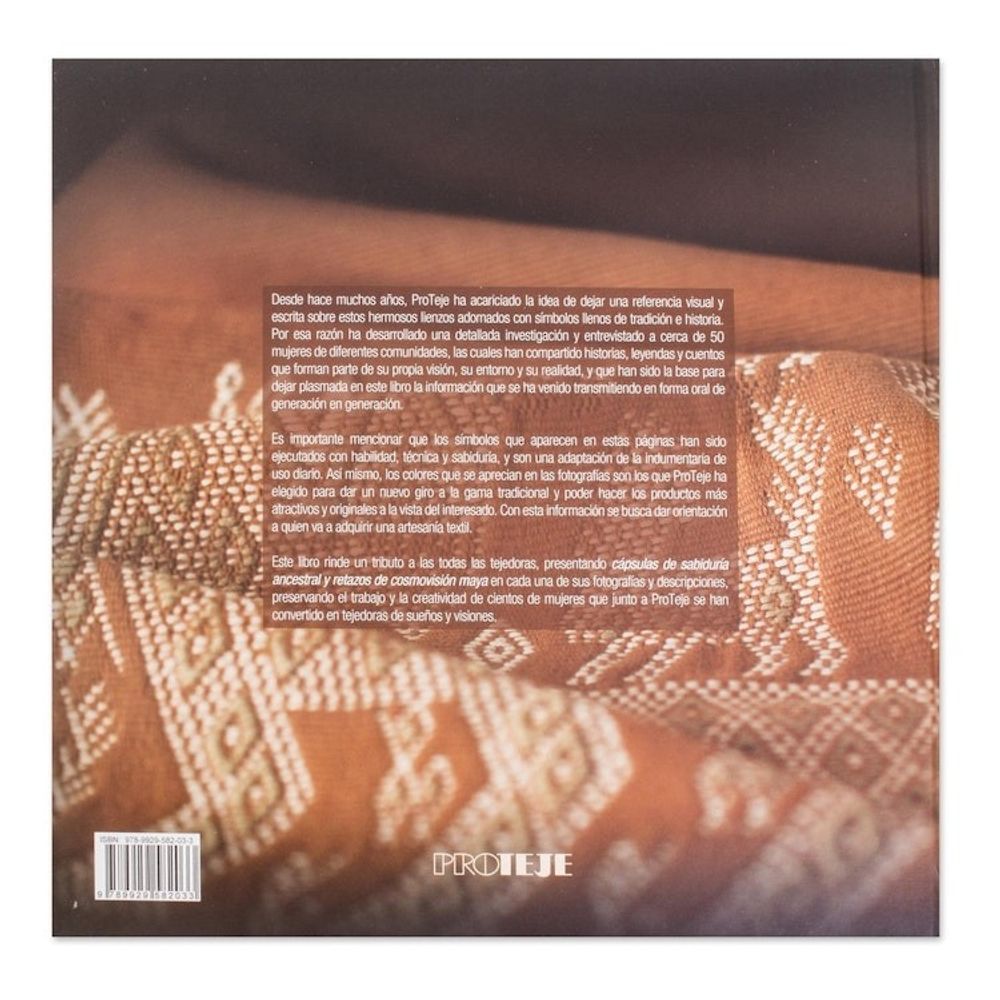

Spanish Language Book About Guatemalan Textiles 'Hilos de Guatemala' Item ID: 2671776687
$69.99-1+
 Add to favorites
 In your favorites.
This is your own listing item.
- 1.73 lb
- 10.3 inches H x 10.3 inches W x 1 inches D,223 pages
- 3.08 lbs
- 10.3 inches H x 10.3 inches W x 1 inches D
- 223 pages
- Recycled paper
- Promotes recycling and reduces waste
- Spanish language edition
 Made in Guatemala
100% Happiness Guaranteed!
 Shop with Confidence
 Easy 30 day returns!

The Pro-Teje Committee came about in 1994 through the initiative of three volunteer women who organized and obtained the donations to launch a project with this scope. The Ixchel Museum of Indigenous Dress was born hand in hand with the committee. Pro-Teje was born in order to create a pro-weaving committee. The name in Spanish plays on the homonym protege, meaning it protects. The founders realized that Guatemala was losing its ancestral weaving techniques and, with the loss of the extraordinary textiles woven on backstrap looms, the nation was losing a part of her identity as a country of weavers. They decided to focus on rescuing textiles created on the backstrap loom, with which the weaver maintains the tension of the warp with a belt worn around her waist, leaning backward and forward to tighten or loosen the tension.
The committee began a search for weavers in the different regions of Guatemala. Carlos Tista, who has worked with this project since 2000, tells us, It is the Maya women weavers who have handed down their textile art from generation to generation for thousands of years.
Our idea is to promote, produce and market high quality weavings as well as to preserve and revitalize the Maya textile tradition through the reproduction of antique pieces from the Ixchel Museum's collection. As women are able to produce and sell their weavings at a fair price, we are realizing one of the dreams we had when we began this project - that of motivating Guatemala's Maya weavers to continue weaving and thus maintain their textile tradition.
Today, we have established a relation with some 280 weavers of 24 communities in nine departments. We work with married women, single women, widows and single mothers who weave. Our program involves crafting unique and exclusive pieces for the local and foreign markets. All our textiles are created on the pre-Hispanic backstrap loom. It consists of several rods, each of which has a different function.
Our first grand event was held in December of 1994. We set up the Pro-Teje Committee Bazaar, where we exhibited items crafted on backstrap looms. The bazaar was a great success and we sold more than we'd imagined in our most optimistic dreams.
We work hand in hand with Luisa Villavicencio, a Novica featured designer whose family has cultivated cotton for generations. She sells us the cotton for our weavings, and this gives them the added value of the fiber's natural colors - brown, jade and ivory, or 'crude' cotton. We also promote the use of these natural fibers.
We've divided our weavers into eight groups, according to region. We give out work assignments each Tuesday, and give attention to two groups per day. This lets the women take their work back home with them and return one month later, when they turn in their weavings, are paid, and receive new fabric orders. This method has worked very well for us. We used to try to attend everyone on Tuesdays, but some of the women must travel up to four hours in the afternoon to get back home. And all our efforts are directed toward helping our weavers be comfortable and earn enough to help and support their families.
The Pro-Teje Committee came about in 1994 through the initiative of three volunteer women who organized and obtained the donations to launch a project with this scope. The Ixchel Museum of Indigenous Dress was born hand in hand with the committee. Pro-Teje was born in order to create a pro-weaving committee. The name in Spanish plays on the homonym protege, meaning it protects. The founders realized that Guatemala was losing its ancestral weaving techniques and, with the loss of the extraordinary textiles woven on backstrap looms, the nation was losing a part of her identity as a country of weavers. They decided to focus on rescuing textiles created on the backstrap loom, with which the weaver maintains the tension of the warp with a belt worn around her waist, leaning backward and forward to tighten or loosen the tension. The committee began a search for weavers in the different regions of Guatemala. Carlos Tista, who has worked with this project since 2000, tells us, It is the Maya women weavers who have handed down their textile art from generation to generation for thousands of years. Our idea is to promote, produce and market high quality weavings as well as to preserve and revitalize the Maya textile tradition through the reproduction of antique pieces from the Ixchel Museum's collection. As women are able to produce and sell their weavings at a fair price, we are realizing one of the dreams we had when we began this project - that of motivating Guatemala's Maya weavers to continue weaving and thus maintain their textile tradition. Today, we have established a relation with some 280 weavers of 24 communities in nine departments. We work with married women, single women, widows and single mothers who weave. Our program involves crafting unique and exclusive pieces for the local and foreign markets. All our textiles are created on the pre-Hispanic backstrap loom. It consists of several rods, each of which has a different function. Our first grand event was held in December of 1994. We set up the Pro-Teje Committee Bazaar, where we exhibited items crafted on backstrap looms. The bazaar was a great success and we sold more than we'd imagined in our most optimistic dreams. We work hand in hand with Luisa Villavicencio, a Novica featured designer whose family has cultivated cotton for generations. She sells us the cotton for our weavings, and this gives them the added value of the fiber's natural colors - brown, jade and ivory, or 'crude' cotton. We also promote the use of these natural fibers. We've divided our weavers into eight groups, according to region. We give out work assignments each Tuesday, and give attention to two groups per day. This lets the women take their work back home with them and return one month later, when they turn in their weavings, are paid, and receive new fabric orders. This method has worked very well for us. We used to try to attend everyone on Tuesdays, but some of the women must travel up to four hours in the afternoon to get back home. And all our efforts are directed toward helping our weavers be comfortable and earn enough to help and support their families.
Read full story →

Pro-Teje Committee
The Pro-Teje Committee came about in 1994 through the initiative of three volunteer women who organized and obtained the donations to launch a project with this scope. The Ixchel Museum of Indigenous Dress was born hand in hand with the committee. Pro-Teje was born in order to create a pro-weaving committee. The name in Spanish plays on the homonym protege, meaning it protects. The founders realized that Guatemala was losing its ancestral weaving techniques and, with the loss of the extraordinary textiles woven on backstrap looms, the nation was losing a part of her identity as a country of weavers. They decided to focus on rescuing textiles created on the backstrap loom, with which the weaver maintains the tension of the warp with a belt worn around her waist, leaning backward and forward to tighten or loosen the tension.
The committee began a search for weavers in the different regions of Guatemala. Carlos Tista, who has worked with this project since 2000, tells us, It is the Maya women weavers who have handed down their textile art from generation to generation for thousands of years.
Our idea is to promote, produce and market high quality weavings as well as to preserve and revitalize the Maya textile tradition through the reproduction of antique pieces from the Ixchel Museum's collection. As women are able to produce and sell their weavings at a fair price, we are realizing one of the dreams we had when we began this project - that of motivating Guatemala's Maya weavers to continue weaving and thus maintain their textile tradition.
Today, we have established a relation with some 280 weavers of 24 communities in nine departments. We work with married women, single women, widows and single mothers who weave. Our program involves crafting unique and exclusive pieces for the local and foreign markets. All our textiles are created on the pre-Hispanic backstrap loom. It consists of several rods, each of which has a different function.
Our first grand event was held in December of 1994. We set up the Pro-Teje Committee Bazaar, where we exhibited items crafted on backstrap looms. The bazaar was a great success and we sold more than we'd imagined in our most optimistic dreams.
We work hand in hand with Luisa Villavicencio, a Novica featured designer whose family has cultivated cotton for generations. She sells us the cotton for our weavings, and this gives them the added value of the fiber's natural colors - brown, jade and ivory, or 'crude' cotton. We also promote the use of these natural fibers.
We've divided our weavers into eight groups, according to region. We give out work assignments each Tuesday, and give attention to two groups per day. This lets the women take their work back home with them and return one month later, when they turn in their weavings, are paid, and receive new fabric orders. This method has worked very well for us. We used to try to attend everyone on Tuesdays, but some of the women must travel up to four hours in the afternoon to get back home. And all our efforts are directed toward helping our weavers be comfortable and earn enough to help and support their families.
The committee began a search for weavers in the different regions of Guatemala. Carlos Tista, who has worked with this project since 2000, tells us, It is the Maya women weavers who have handed down their textile art from generation to generation for thousands of years.
Our idea is to promote, produce and market high quality weavings as well as to preserve and revitalize the Maya textile tradition through the reproduction of antique pieces from the Ixchel Museum's collection. As women are able to produce and sell their weavings at a fair price, we are realizing one of the dreams we had when we began this project - that of motivating Guatemala's Maya weavers to continue weaving and thus maintain their textile tradition.
Today, we have established a relation with some 280 weavers of 24 communities in nine departments. We work with married women, single women, widows and single mothers who weave. Our program involves crafting unique and exclusive pieces for the local and foreign markets. All our textiles are created on the pre-Hispanic backstrap loom. It consists of several rods, each of which has a different function.
Our first grand event was held in December of 1994. We set up the Pro-Teje Committee Bazaar, where we exhibited items crafted on backstrap looms. The bazaar was a great success and we sold more than we'd imagined in our most optimistic dreams.
We work hand in hand with Luisa Villavicencio, a Novica featured designer whose family has cultivated cotton for generations. She sells us the cotton for our weavings, and this gives them the added value of the fiber's natural colors - brown, jade and ivory, or 'crude' cotton. We also promote the use of these natural fibers.
We've divided our weavers into eight groups, according to region. We give out work assignments each Tuesday, and give attention to two groups per day. This lets the women take their work back home with them and return one month later, when they turn in their weavings, are paid, and receive new fabric orders. This method has worked very well for us. We used to try to attend everyone on Tuesdays, but some of the women must travel up to four hours in the afternoon to get back home. And all our efforts are directed toward helping our weavers be comfortable and earn enough to help and support their families.
Handmade: A Global Artisan Marketplace

Central America Artisan Empowerment Hub
Explore Central America. Rich rainforests and active volcanoes shelter the vestiges of the Mayan civilization that lives on in the languages and the arts of Central America. You'll discover the weaving traditions recorded on the backstrap looms, the glyphs and geometry that define the jewelry and pottery, and the vibrantly-painted folk art statues and masks among all the unique, handcrafted artisan treasures in our Central America Collection.
More from this maker
Visit store



100% Happiness Guaranteed
If you aren't in LOVE with your purchases, let us know within 30 days and we'll make it right.
- Easy Returns
- Hassle-free Exchange
- Dedicated Support

Powered by Human Creativity
Established alongside our parent company NOVICA
10K+
Master Artisans
1M+
Happy Customers
25 yrs
Empowering Makers
4.8
Average Rating
More than a Marketplace
Enjoyed by over 1,000,000
customers across 50+ countries
Powered by NOVICA, a beloved global leader
in fair trade artisan goods.
Go!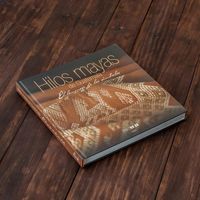
Item added to your cart!
Spanish Language Book About Guatemalan Textiles 'Hilos de Guatemala'
Quantity:


Powered by

Partners and Collaborators




© 2026 
 You havein your cartTop