

Trending Searches

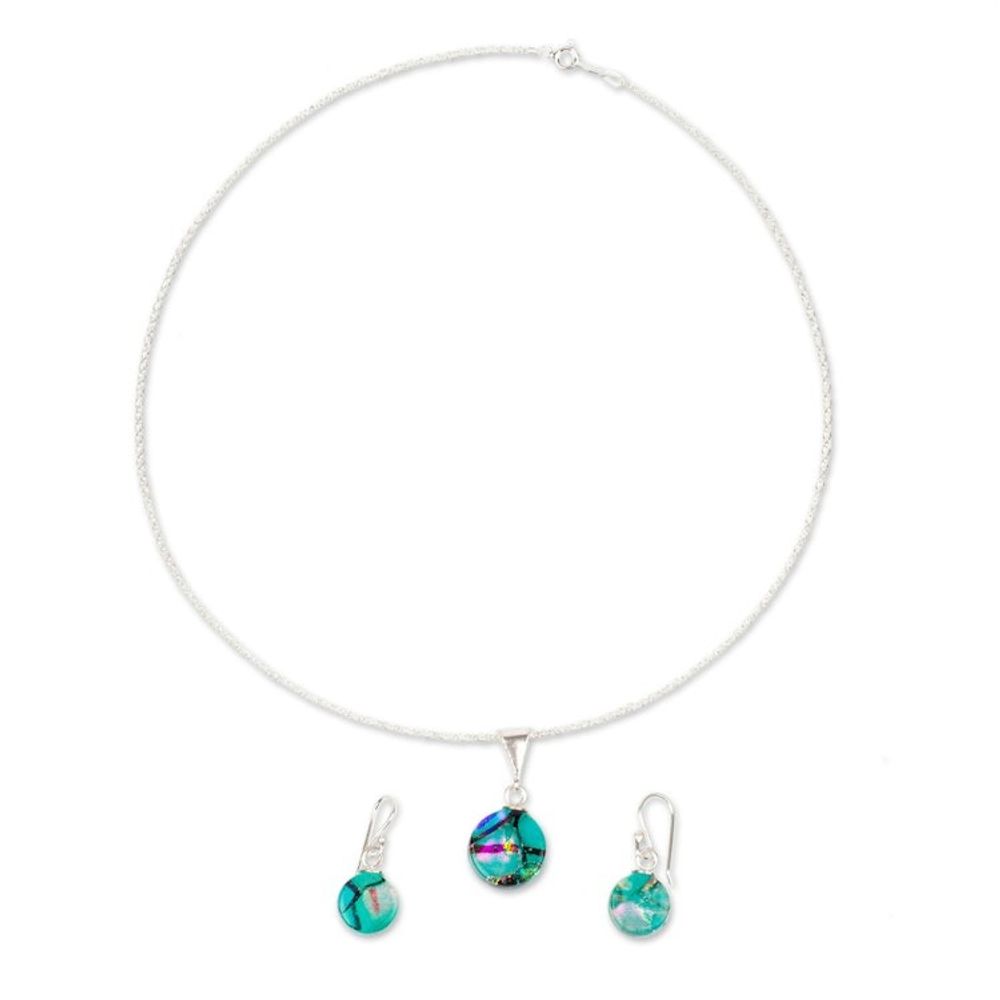
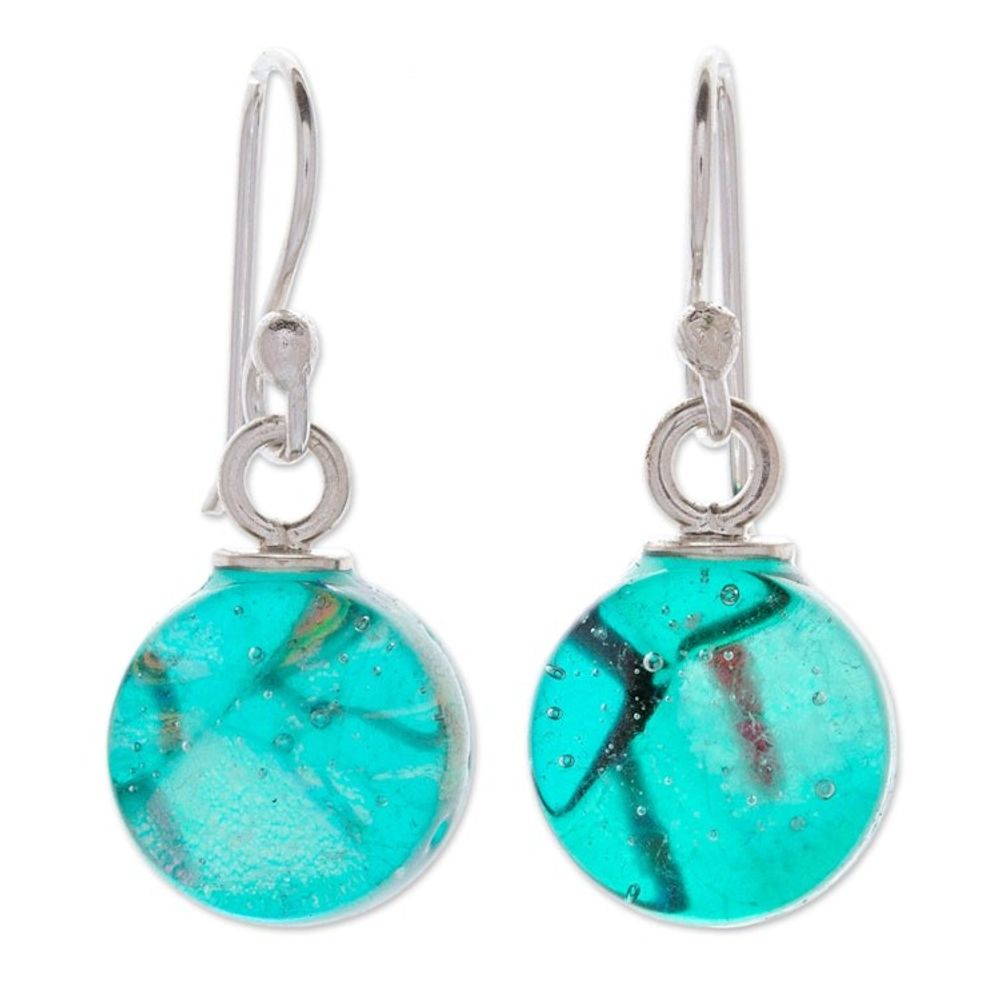
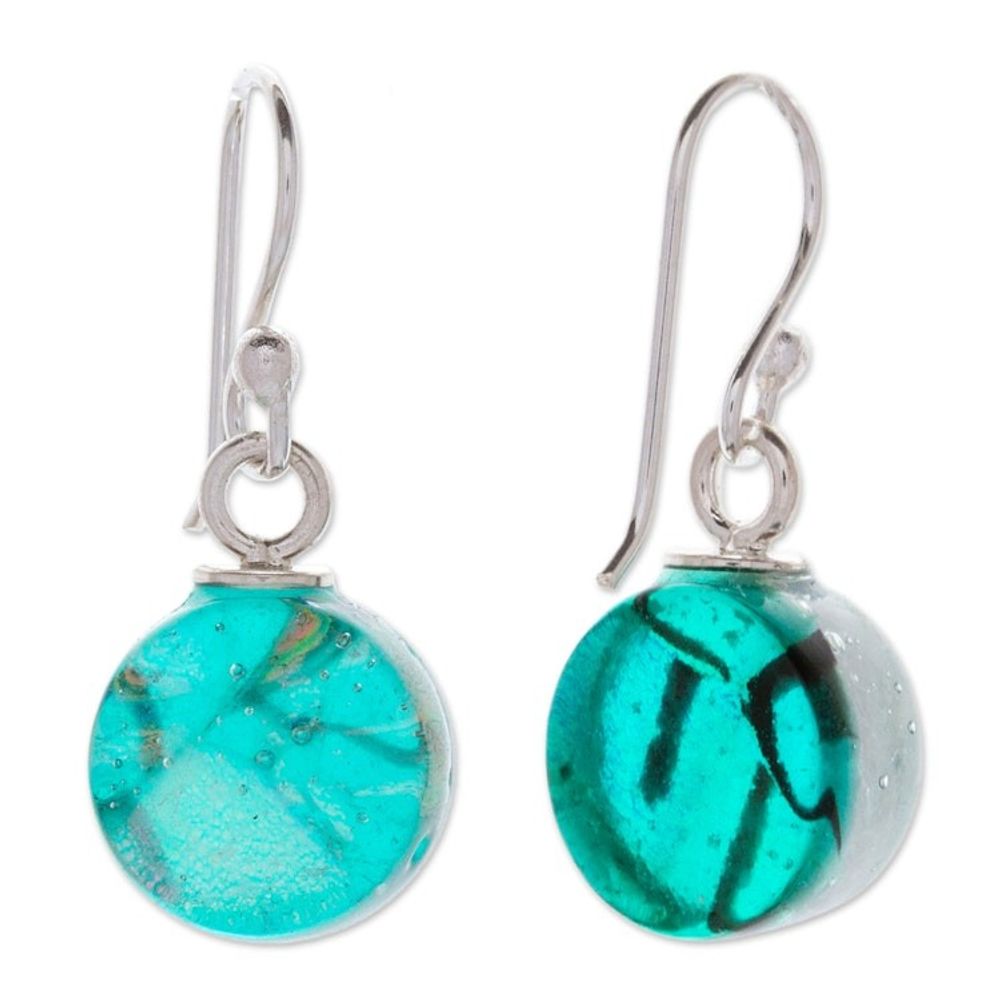
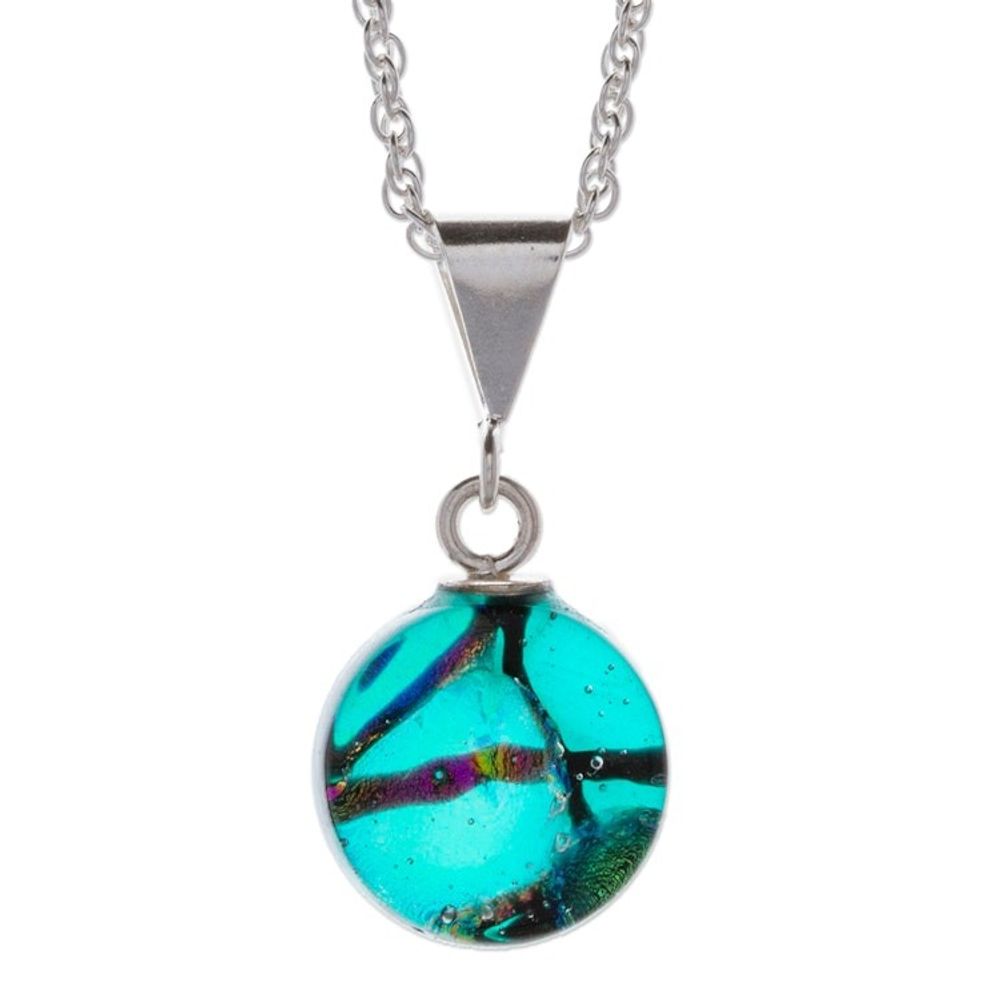
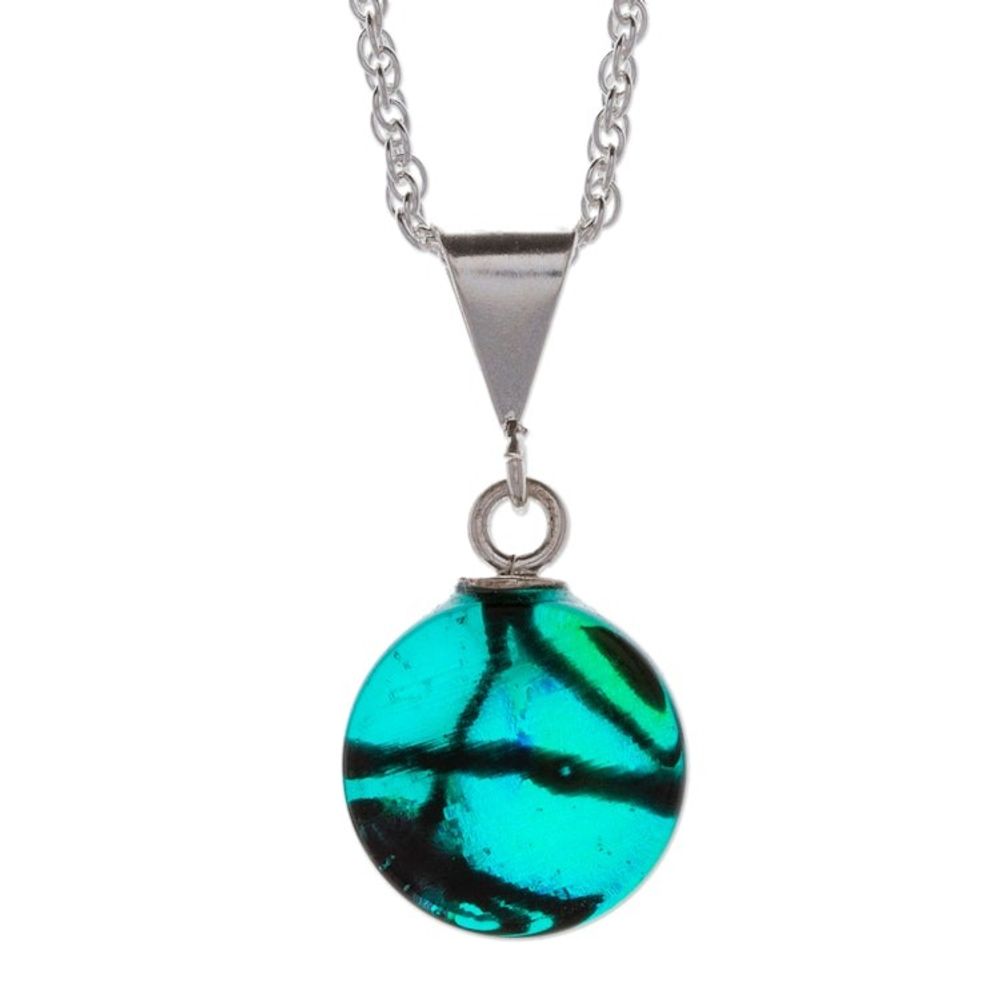
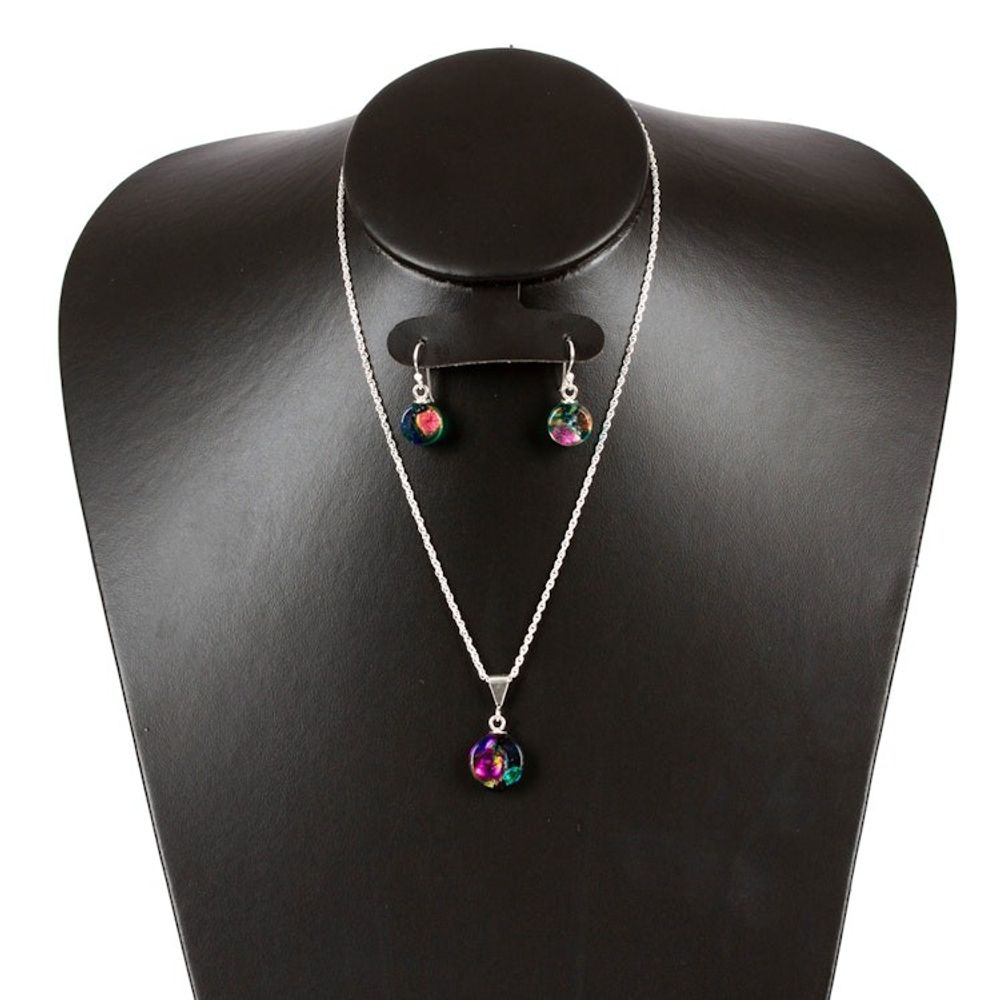

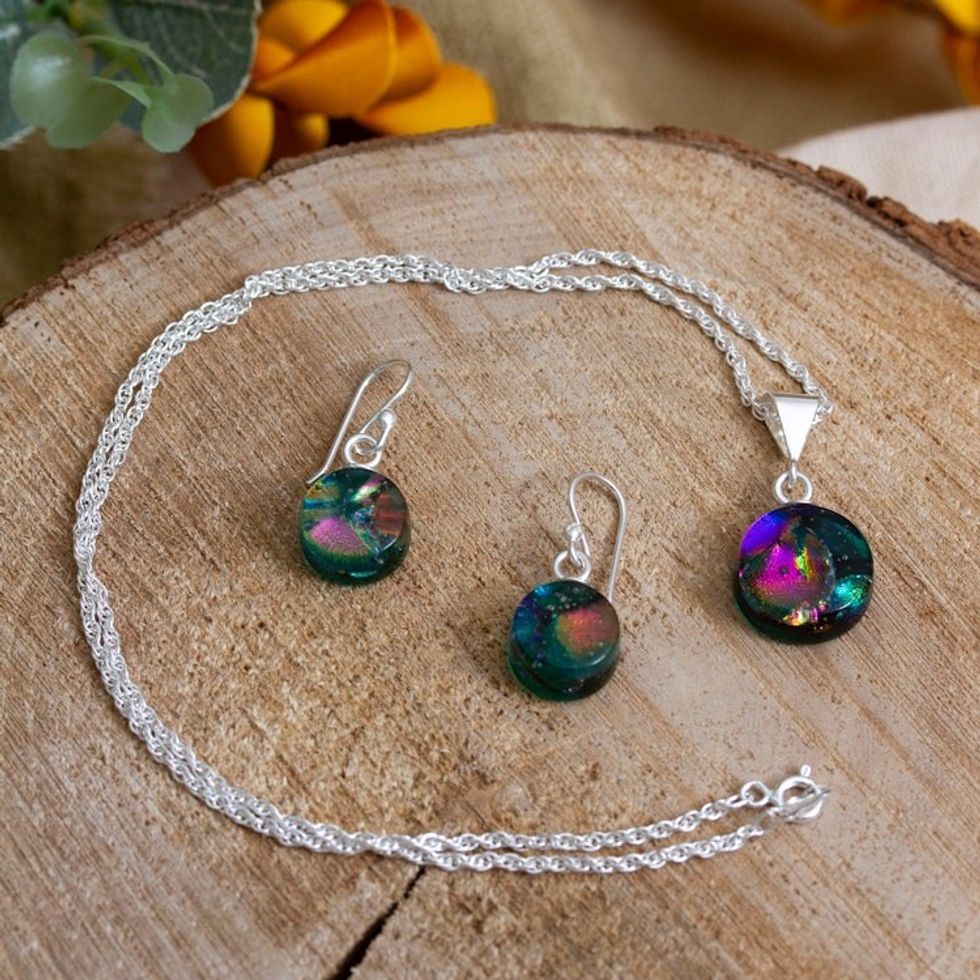
Round Viridian Dichroic Art Glass Jewelry Set from Mexico 'Viridian World' Item ID: 2671807808
$114.99Currently not available
We're sorry but it looks like we're late on getting more items for you. Please check back in a few days.
This is your own listing item.
- 0.41 lb
- Necklace: 17.8 inches Inner Circ.,Necklace width: 0.1 inches W,Pendant(s): 1.2 inches L x 0.6 inches W,Earrings: 1.1 inches L x 0.4 inches W
- 0.39 oz
- Necklace: 17.8 inches Inner Circ.
- Necklace width: 0.1 inches W
- Pendant(s): 1.2 inches L x 0.6 inches W
- Earrings: 1.1 inches L x 0.4 inches W
- 925 sterling silver
- dichroic glass
- Hand-crafted item -- color
- size and/or motif may vary slightly
- High polish finish
- Hook earrings
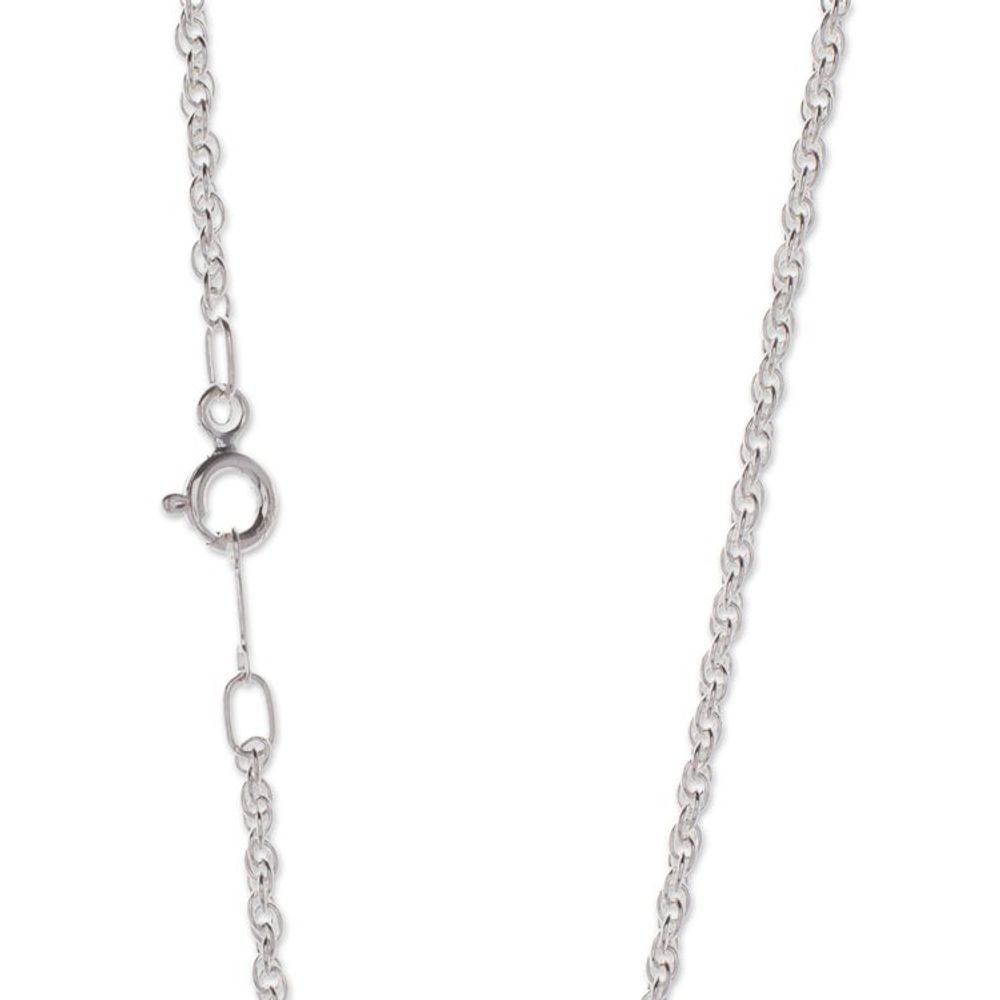
- Rope chain
- Spring ring clasp
 Made in Mexico
100% Happiness Guaranteed!
 Shop with Confidence
 Easy 30 day returns!

Hello, we are Debora and Marco and we met while doing research on glass. Debora is from Argentina. After finishing a degree in art, she decided to widen her horizons and that road brought her to Mexico where we met each other, says jewelry artisan Marco.
I studied veterinary medicine. After several successful professional activities that benefited society with practice and technical knowledge, I was ready for a change in my life and I found myself attracted to art. So we both began researching the art of glass, both with the same restlessness and both destined to join forces as we dominated the technique of dichroic glass. Dichroic glass is an ultra-thin coating of metal oxides and quartz, grown as a crystal structure on the surface using a highly technical vacuum deposition process. Originally produced for the aerospace industry, it now provides a medium for Debora and Marco's fused glass jewelry.
First we began making sculptures and panels with this material, Debora continues, and through a lot of investigating and testing, the idea was born of making a line of jewelry that was different and full of light. At the beginning, as with everything, it was very difficult for us. Our economic situation was no help either. We made a number of pieces to see if it might be feasible. We took them to Taxco where the greatest concentration of jewelers is and we presented our project. It was very well received and this gave us the freedom of being able to continue experimenting and playing with light to create new designs and colors. With time, we set up a small jewelry workshop to craft our own designs.
Dichroic glass is somewhat of a misnomer, since the dielectric coating that produces all the interesting colors is not glass at all, but very thin layers of metal oxides. These thin layers have a total thickness of 3 to 5 millionths of an inch. These materials produce an 'interference filter' that creates the varied and unique color characteristics that we see. Since the total thickness is so minute, the filter has very little mechanical integrity of its own and must be supported on a mechanically stable base. Glass is the ideal material for this base. It is transparent, adequately rigid, is stable, withstands relatively high temperatures and is not affected by moisture, solvents or most acids. The materials producing the filter are actually more chemically stable than most glasses used as the substrate. The filter is generally as durable as the substrate it is on. Thus, what we commonly call dichroic glass is actually a dielectric interference filter attached to the surface of a piece of glass.
Currently, we have worked as consultants with people who are interested in our glass work. We have an infinite variety of colors and light reflections in our designs, depending on the angle at which you look at them. Thus they are unique pieces, each one set in silver to draw more attention to the color.
Our work is the result of considerable glass technique research that we carry out together, creating a rainbow of colors that reflect our love of the art and of each other.
Other favorites
View more















Meet the maker
 Follow
 Following
Hello, we are Debora and Marco and we met while doing research on glass. Debora is from Argentina. A... read more


Facilitated by
Mexico Artisan Empowerment Hub
Explore Mexico. You'll discover the rich artistic ... about

Debora and Marco dichroic glass jewelry
Hello, we are Debora and Marco and we met while doing research on glass. Debora is from Argentina. After finishing a degree in art, she decided to widen her horizons and that road brought her to Mexico where we met each other, says jewelry artisan Marco.
I studied veterinary medicine. After several successful professional activities that benefited society with practice and technical knowledge, I was ready for a change in my life and I found myself attracted to art. So we both began researching the art of glass, both with the same restlessness and both destined to join forces as we dominated the technique of dichroic glass. Dichroic glass is an ultra-thin coating of metal oxides and quartz, grown as a crystal structure on the surface using a highly technical vacuum deposition process. Originally produced for the aerospace industry, it now provides a medium for Debora and Marco's fused glass jewelry.
First we began making sculptures and panels with this material, Debora continues, and through a lot of investigating and testing, the idea was born of making a line of jewelry that was different and full of light. At the beginning, as with everything, it was very difficult for us. Our economic situation was no help either. We made a number of pieces to see if it might be feasible. We took them to Taxco where the greatest concentration of jewelers is and we presented our project. It was very well received and this gave us the freedom of being able to continue experimenting and playing with light to create new designs and colors. With time, we set up a small jewelry workshop to craft our own designs.
Dichroic glass is somewhat of a misnomer, since the dielectric coating that produces all the interesting colors is not glass at all, but very thin layers of metal oxides. These thin layers have a total thickness of 3 to 5 millionths of an inch. These materials produce an 'interference filter' that creates the varied and unique color characteristics that we see. Since the total thickness is so minute, the filter has very little mechanical integrity of its own and must be supported on a mechanically stable base. Glass is the ideal material for this base. It is transparent, adequately rigid, is stable, withstands relatively high temperatures and is not affected by moisture, solvents or most acids. The materials producing the filter are actually more chemically stable than most glasses used as the substrate. The filter is generally as durable as the substrate it is on. Thus, what we commonly call dichroic glass is actually a dielectric interference filter attached to the surface of a piece of glass.
Currently, we have worked as consultants with people who are interested in our glass work. We have an infinite variety of colors and light reflections in our designs, depending on the angle at which you look at them. Thus they are unique pieces, each one set in silver to draw more attention to the color.
Our work is the result of considerable glass technique research that we carry out together, creating a rainbow of colors that reflect our love of the art and of each other.
I studied veterinary medicine. After several successful professional activities that benefited society with practice and technical knowledge, I was ready for a change in my life and I found myself attracted to art. So we both began researching the art of glass, both with the same restlessness and both destined to join forces as we dominated the technique of dichroic glass. Dichroic glass is an ultra-thin coating of metal oxides and quartz, grown as a crystal structure on the surface using a highly technical vacuum deposition process. Originally produced for the aerospace industry, it now provides a medium for Debora and Marco's fused glass jewelry.
First we began making sculptures and panels with this material, Debora continues, and through a lot of investigating and testing, the idea was born of making a line of jewelry that was different and full of light. At the beginning, as with everything, it was very difficult for us. Our economic situation was no help either. We made a number of pieces to see if it might be feasible. We took them to Taxco where the greatest concentration of jewelers is and we presented our project. It was very well received and this gave us the freedom of being able to continue experimenting and playing with light to create new designs and colors. With time, we set up a small jewelry workshop to craft our own designs.
Dichroic glass is somewhat of a misnomer, since the dielectric coating that produces all the interesting colors is not glass at all, but very thin layers of metal oxides. These thin layers have a total thickness of 3 to 5 millionths of an inch. These materials produce an 'interference filter' that creates the varied and unique color characteristics that we see. Since the total thickness is so minute, the filter has very little mechanical integrity of its own and must be supported on a mechanically stable base. Glass is the ideal material for this base. It is transparent, adequately rigid, is stable, withstands relatively high temperatures and is not affected by moisture, solvents or most acids. The materials producing the filter are actually more chemically stable than most glasses used as the substrate. The filter is generally as durable as the substrate it is on. Thus, what we commonly call dichroic glass is actually a dielectric interference filter attached to the surface of a piece of glass.
Currently, we have worked as consultants with people who are interested in our glass work. We have an infinite variety of colors and light reflections in our designs, depending on the angle at which you look at them. Thus they are unique pieces, each one set in silver to draw more attention to the color.
Our work is the result of considerable glass technique research that we carry out together, creating a rainbow of colors that reflect our love of the art and of each other.

Handmade: A Global Artisan Marketplace
Mexico Artisan Empowerment Hub
Explore Mexico. You'll discover the rich artistic heritage drawn from the Maya, Olmec, Toltec, Zapotec, and Aztec civilizations, as well as the distinctive living folk art traditions of modern Mexico. From Taxco Silver Jewelry to intricate Huichol beadwork, and from handpainted Talavera-style pottery to handblown glassware and fantastical alebrijes, you will fall under the spell of magical Mexico.
Maker BadgeMicrocredit Financing
Debora and Marco has received 4 microcredit loans with 0% interest from Kiva and Novica, the first for $2000 and the most recent for $1100. Proceeds were used to invest in glass and silver for production, and also to invest in increasing the physical space of their workshop.
Maker BadgeJob Creator
This artist positively impacts their community through job creation and provides jobs for 2 or more people.
Maker BadgeMoving On Up
This artist has dramatically improved their livelihood by working with NOVICA.
Maker BadgePreserving Traditions
This artist uses traditional techniques handed down through the generations and/or creates culturally significant items, helping keep these traditions alive.
More from this maker
View all






Go!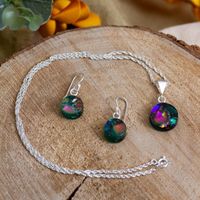
Item added to your cart!
Round Viridian Dichroic Art Glass Jewelry Set from Mexico 'Viridian World'
Quantity:


Powered by

Partners and Collaborators




 You havein your cartTop