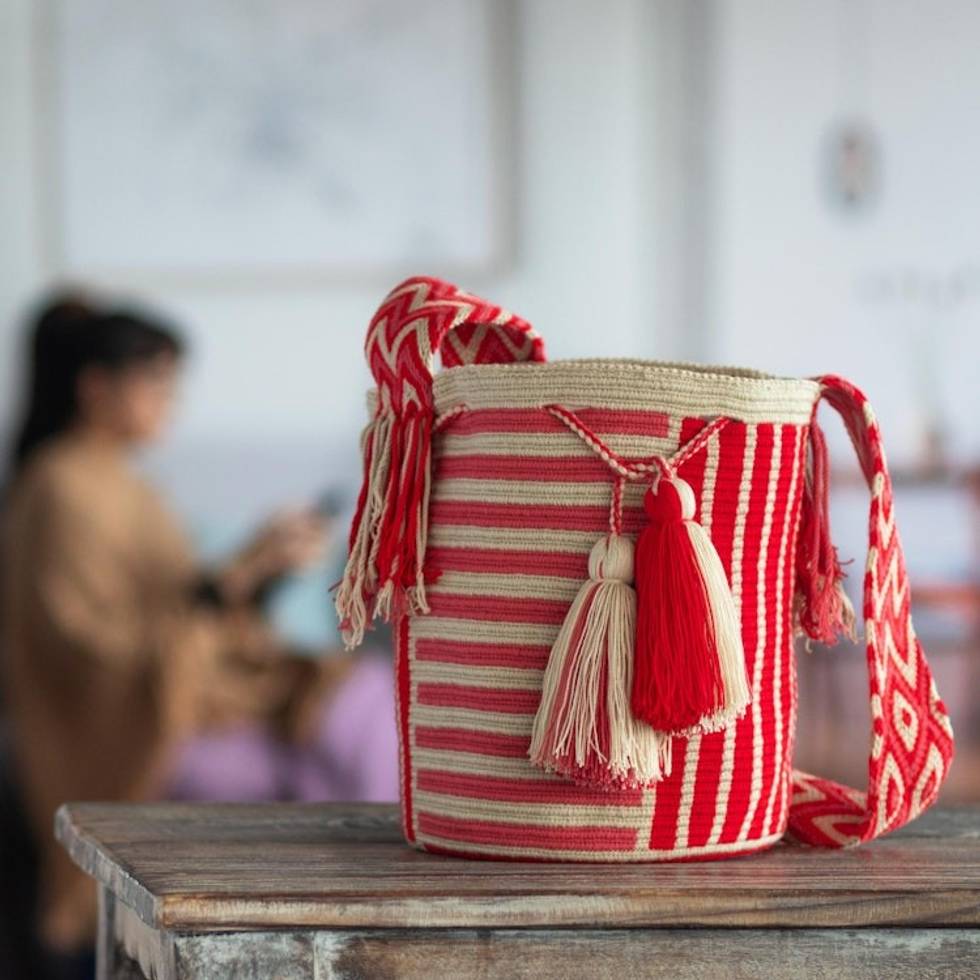


Related products
Trending searches this week
Home Decor
- Wall Decor (1882)
- Decor Accessories (2786)
- Tableware (0)
- Holiday Decor & Ornaments (0)
- Outdoor Living (0)
- Pillows & Throws (435)
- Furniture (185)
- Musical Instruments (0)
- Baskets (0)
- Chess Sets Games (0)
- Jewelry Boxes (0)
- Kitchen & Dining (2145)
- Vases & Vessels (537)
- Outdoor & Garden (642)
- Holiday Decor (1710)
- Candles & Lighting (361)
- Bathroom (0)
- Bedding (7)
- Car Accessories (0)
- Nursery & Kids Room (1)
- Office & Desk (150)
- Rugs & Textiles (208)
- Storage & Organization (68)
Accessories
- Hats (210)
- Keychains and Straps (126)
- Hair Accessories (95)
- Other Accessories (143)
- Walking Sticks (0)
- Footwear (24)
- Bags & Purses (1636)
- Scarves & Wraps (1556)
- Belts & Sashes (68)
- Ties & Formal Accessories (5)
- Gloves & Mittens (106)
- Baby & Kids Accessories (5)
- Luggage & Travel (4)
- Tech Accessories (100)

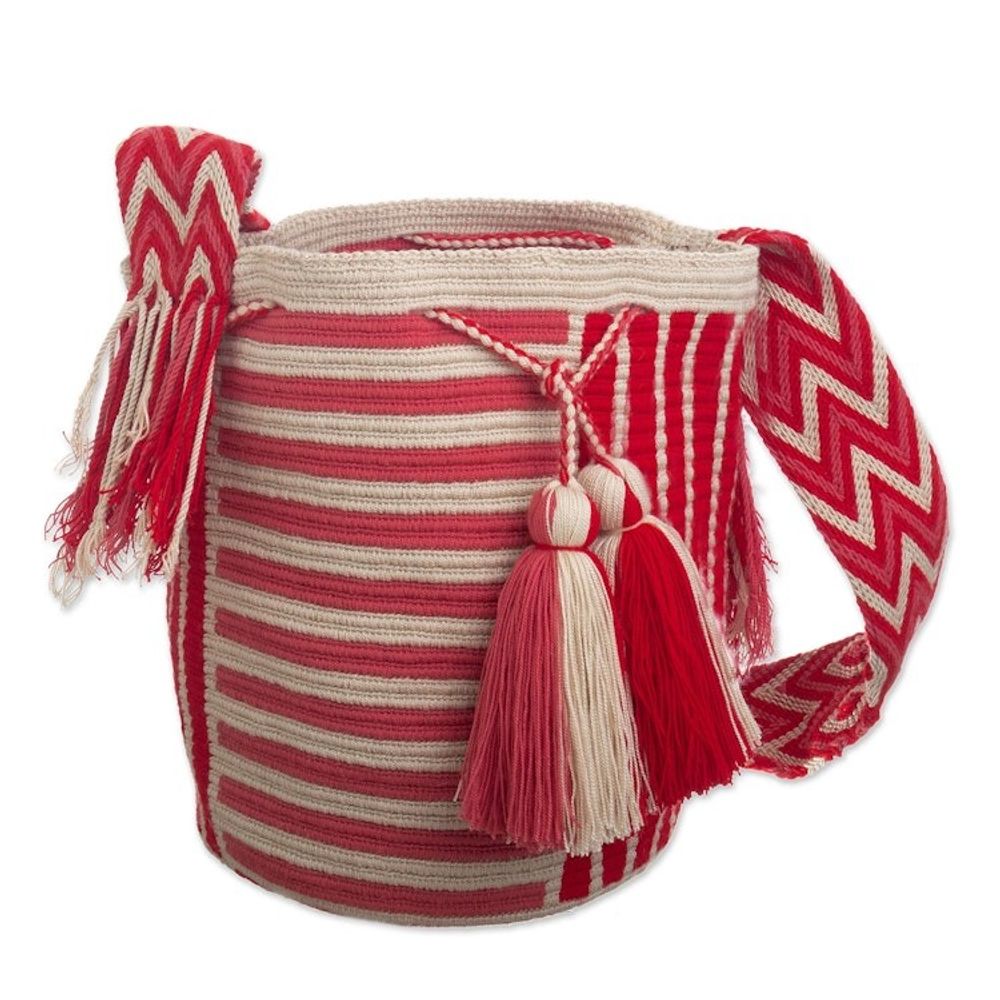
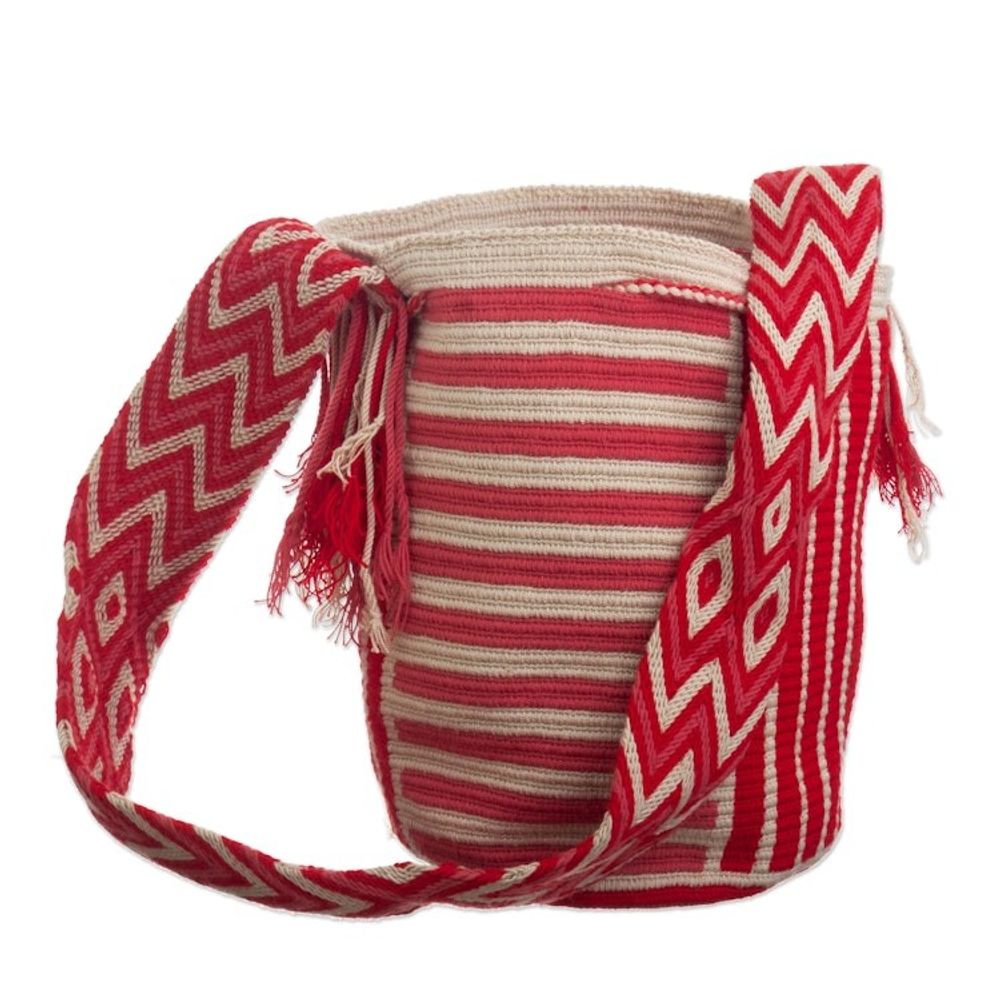
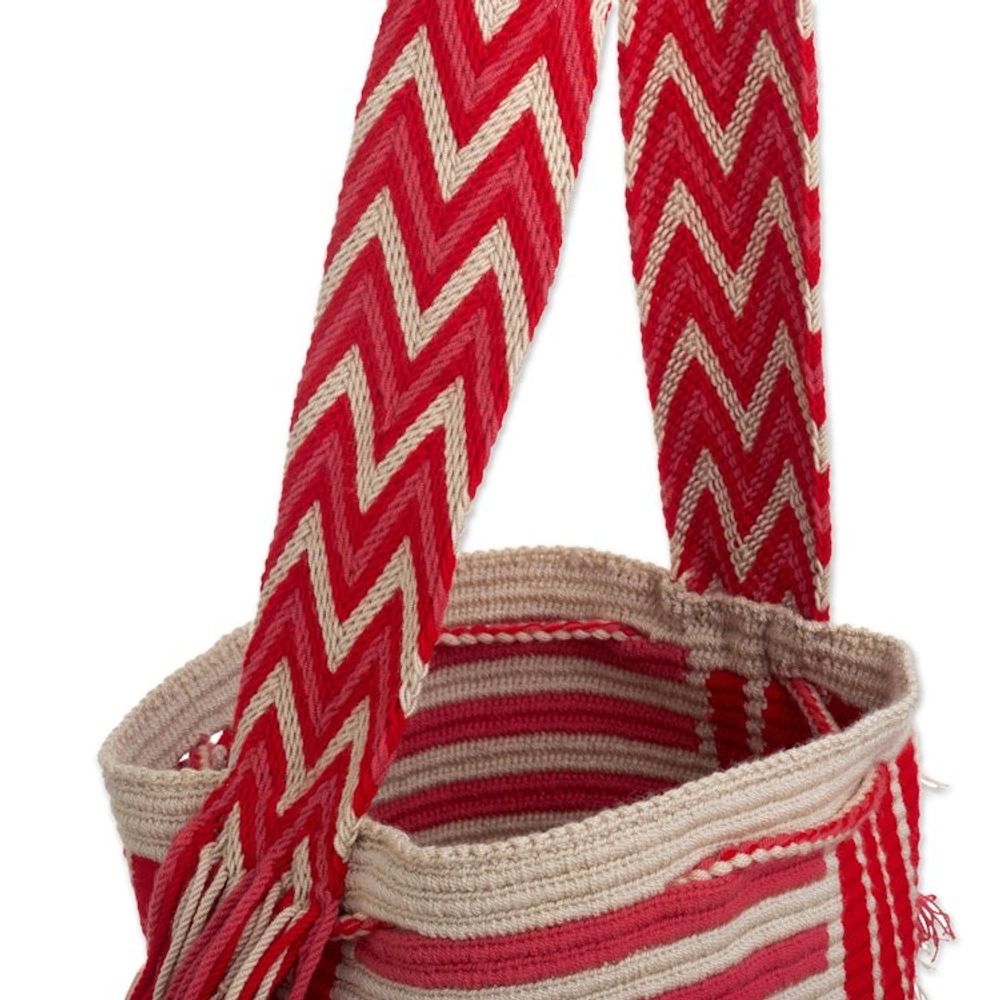
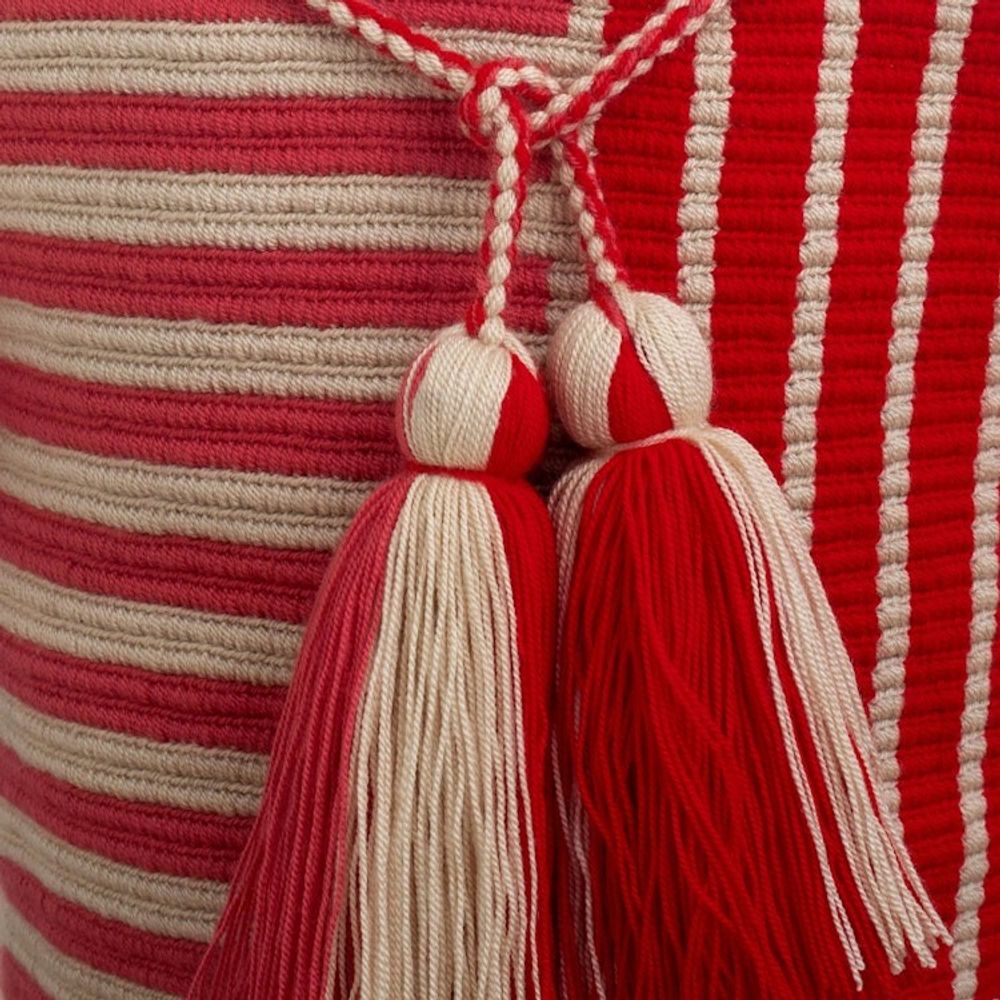

Red and Pink Crocheted Shoulder Bag 'Colombian Rose' Item ID: 2669908331
$149.99Currently not available
We're sorry but it looks like we're late on getting more items for you. Please check back in a few days.
This is your own listing item.
- 1.21 lbs
- Bag: 11.5 inches H x 9 inches Diam.
- Strap(s): 39 inches L x 2.6 inches W
- Drop length: 19.8 inches from strap to bag
- 100% acrylic
- Features a drawstring closure
- Hand wash or machine wash in cold water
- Hand-crafted item -- color
- size and/or motif may vary slightly
 Made in Colombia
100% Happiness Guaranteed!
 Shop with Confidence
 Easy 30 day returns!
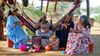
"To the Wayúu people, weaving and crocheting are a symbol of wisdom, intelligence, and creativity," says artisan Olga Siosi.
The Wayuú Tribe inhabits the visually striking desert of La Guajira Peninsula, which borders Colombia and Venezuela. They live on rancheros, traditional settlements made up of five or six households, or rancherías, that together herd goats and farm crops. They are known for their weaving and crocheting skills, which produce elaborate belts, blankets, bags, and hammocks, among other heritage crafts. Their most popular handiwork is the mochila, a crocheted bag of varying sizes and functions.
Mochilas have been part of Latin Caribbean culture for centuries. Traditionally, they are made of either plant fiber or hand-spun wool, but currently Wayúu artisans rely more on commercial-grade Colombian cotton. Although the bag's basic shape remains a cylinder, it can be manufactured with different widths and heights depending on the intended use. The Wayúu use mochilas for all kinds of daily activities; it is not infrequent to see a farmer carrying as many as three bags at a time, on their shoulder, tied to their waist, or strapped to their donkey.
To make a mochila, the weaver—usually a woman—begins by crocheting a round base with a blunt-point needle. The sides of the bag are then crocheted and finished with a scalloped edge and tasseled cord. The straps can either match the color assortments on the mochila or differ completely from the bag, forming a decorative macrame strap called osonuchi. Men are usually responsible for making these types of straps by using a wooden needle or spindle in a process called layer splitting, whereby one cord is passed through the fibers of the others, creating a sturdy band.
Mochilas come in bright colors and often feature complex, clan-specific motifs that have been passed down from generation to generation through matrilineal families. The symbols crocheted on the bags reflect daily activities and important Wayúu beliefs. Bright stars, double-headed flies, and goat hooves are just a few of the many emblems used to illustrate the Tribe's way of life. When it comes to color combinations, innovation never flounders among the Wayúu. But when it comes to experimenting with motifs, there has been hesitation within the community; they prefer to conserve the symbols' original shapes and heritage.
"To the Wayúu people, weaving and crocheting are a symbol of wisdom, intelligence, and creativity," says artisan Olga Siosi.
The Wayuú Tribe inhabits the visually striking desert of La Guajira Peninsula, which borders Colombia and Venezuela. They live on rancheros, traditional settlements made up of five or six households, or rancherías, that together herd goats and farm crops. They are known for their weaving and crocheting skills, which produce elaborate belts, blankets, bags, and hammocks, among other heritage crafts. Their most popular handiwork is the mochila, a crocheted bag of varying sizes and functions.
Mochilas have been part of Latin Caribbean culture for centuries. Traditionally, they are made of either plant fiber or hand-spun wool, but currently Wayúu artisans rely more on commercial-grade Colombian cotton. Although the bag's basic shape remains a cylinder, it can be manufactured with different widths and heights depending on the intended use. The Wayúu use mochilas for all kinds of daily activities; it is not infrequent to see a farmer carrying as many as three bags at a time, on their shoulder, tied to their waist, or strapped to their donkey.
To make a mochila, the weaver—usually a woman—begins by crocheting a round base with a blunt-point needle. The sides of the bag are then crocheted and finished with a scalloped edge and tasseled cord. The straps can either match the color assortments on the mochila or differ completely from the bag, forming a decorative macrame strap called osonuchi. Men are usually responsible for making these types of straps by using a wooden needle or spindle in a process called layer splitting, whereby one cord is passed through the fibers of the others, creating a sturdy band.
Mochilas come in bright colors and often feature complex, clan-specific motifs that have been passed down from generation to generation through matrilineal families. The symbols crocheted on the bags reflect daily activities and important Wayúu beliefs. Bright stars, double-headed flies, and goat hooves are just a few of the many emblems used to illustrate the Tribe's way of life. When it comes to color combinations, innovation never flounders among the Wayúu. But when it comes to experimenting with motifs, there has been hesitation within the community; they prefer to conserve the symbols' original shapes and heritage.
Read full story →


Wayuu Community hand-crocheted and woven handbags and accessories
"To the Wayúu people, weaving and crocheting are a symbol of wisdom, intelligence, and creativity," says artisan Olga Siosi.
The Wayuú Tribe inhabits the visually striking desert of La Guajira Peninsula, which borders Colombia and Venezuela. They live on rancheros, traditional settlements made up of five or six households, or rancherías, that together herd goats and farm crops. They are known for their weaving and crocheting skills, which produce elaborate belts, blankets, bags, and hammocks, among other heritage crafts. Their most popular handiwork is the mochila, a crocheted bag of varying sizes and functions.
Mochilas have been part of Latin Caribbean culture for centuries. Traditionally, they are made of either plant fiber or hand-spun wool, but currently Wayúu artisans rely more on commercial-grade Colombian cotton. Although the bag's basic shape remains a cylinder, it can be manufactured with different widths and heights depending on the intended use. The Wayúu use mochilas for all kinds of daily activities; it is not infrequent to see a farmer carrying as many as three bags at a time, on their shoulder, tied to their waist, or strapped to their donkey.
To make a mochila, the weaver—usually a woman—begins by crocheting a round base with a blunt-point needle. The sides of the bag are then crocheted and finished with a scalloped edge and tasseled cord. The straps can either match the color assortments on the mochila or differ completely from the bag, forming a decorative macrame strap called osonuchi. Men are usually responsible for making these types of straps by using a wooden needle or spindle in a process called layer splitting, whereby one cord is passed through the fibers of the others, creating a sturdy band.
Mochilas come in bright colors and often feature complex, clan-specific motifs that have been passed down from generation to generation through matrilineal families. The symbols crocheted on the bags reflect daily activities and important Wayúu beliefs. Bright stars, double-headed flies, and goat hooves are just a few of the many emblems used to illustrate the Tribe's way of life. When it comes to color combinations, innovation never flounders among the Wayúu. But when it comes to experimenting with motifs, there has been hesitation within the community; they prefer to conserve the symbols' original shapes and heritage.
The Wayuú Tribe inhabits the visually striking desert of La Guajira Peninsula, which borders Colombia and Venezuela. They live on rancheros, traditional settlements made up of five or six households, or rancherías, that together herd goats and farm crops. They are known for their weaving and crocheting skills, which produce elaborate belts, blankets, bags, and hammocks, among other heritage crafts. Their most popular handiwork is the mochila, a crocheted bag of varying sizes and functions.
Mochilas have been part of Latin Caribbean culture for centuries. Traditionally, they are made of either plant fiber or hand-spun wool, but currently Wayúu artisans rely more on commercial-grade Colombian cotton. Although the bag's basic shape remains a cylinder, it can be manufactured with different widths and heights depending on the intended use. The Wayúu use mochilas for all kinds of daily activities; it is not infrequent to see a farmer carrying as many as three bags at a time, on their shoulder, tied to their waist, or strapped to their donkey.
To make a mochila, the weaver—usually a woman—begins by crocheting a round base with a blunt-point needle. The sides of the bag are then crocheted and finished with a scalloped edge and tasseled cord. The straps can either match the color assortments on the mochila or differ completely from the bag, forming a decorative macrame strap called osonuchi. Men are usually responsible for making these types of straps by using a wooden needle or spindle in a process called layer splitting, whereby one cord is passed through the fibers of the others, creating a sturdy band.
Mochilas come in bright colors and often feature complex, clan-specific motifs that have been passed down from generation to generation through matrilineal families. The symbols crocheted on the bags reflect daily activities and important Wayúu beliefs. Bright stars, double-headed flies, and goat hooves are just a few of the many emblems used to illustrate the Tribe's way of life. When it comes to color combinations, innovation never flounders among the Wayúu. But when it comes to experimenting with motifs, there has been hesitation within the community; they prefer to conserve the symbols' original shapes and heritage.
Handmade: A Global Artisan Marketplace Bogota, Colombia

Andes Artisan Empowerment Hub
Explore the Andes region, once home to the Inca, Wari, Chavin and other ancient empires. Today, the influences of these ancient civilizations can be found in the artistic handicraft traditions that artisans use to create the vast array of jewelry, home furnishings, pottery, textiles, paintings and folk art that preserve the diverse, complex heritage of this colorful Latin land.
More from this maker
Visit storeOther favorites
View more














100% Happiness Guaranteed
If you aren't in LOVE with your purchases, let us know within 30 days and we'll make it right.
- Easy Returns
- Hassle-free Exchange
- Dedicated Support

Powered by Human Creativity
Established alongside our parent company NOVICA
10K+
Master Artisans
1M+
Happy Customers
25 yrs
Empowering Makers
4.8
Average Rating
More than a Marketplace
Enjoyed by over 1,000,000
customers across 50+ countries
Powered by NOVICA, a beloved global leader
in fair trade artisan goods.
Go!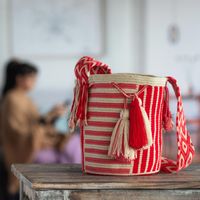
Item added to your cart!
Red and Pink Crocheted Shoulder Bag 'Colombian Rose'
Quantity:


Powered by

Partners and Collaborators




© 2026 
 You havein your cartTop