

Related products
Trending searches this week
Home Decor
- Wall Decor (1876)
- Decor Accessories (2785)
- Tableware (0)
- Holiday Decor & Ornaments (0)
- Outdoor Living (0)
- Pillows & Throws (433)
- Furniture (185)
- Musical Instruments (0)
- Baskets (0)
- Chess Sets Games (0)
- Lamps and Lighting (0)
- Jewelry Boxes (0)
- Kitchen & Dining (2165)
- Vases & Vessels (539)
- Outdoor & Garden (642)
- Holiday Decor (1724)
- Candles & Lighting (352)
- Bathroom (0)
- Bedding (7)
- Car Accessories (0)
- Nursery & Kids Room (0)
- Office & Desk (150)
- Rugs & Textiles (205)
- Storage & Organization (67)
Accessories
- Hats (210)
- Keychains and Straps (124)
- Hair Accessories (95)
- Other Accessories (142)
- Walking Sticks (0)
- Footwear (24)
- Bags & Purses (1635)
- Scarves & Wraps (1518)
- Belts & Sashes (68)
- Ties & Formal Accessories (5)
- Gloves & Mittens (104)
- Baby & Kids Accessories (5)
- Luggage & Travel (4)
- Tech Accessories (100)

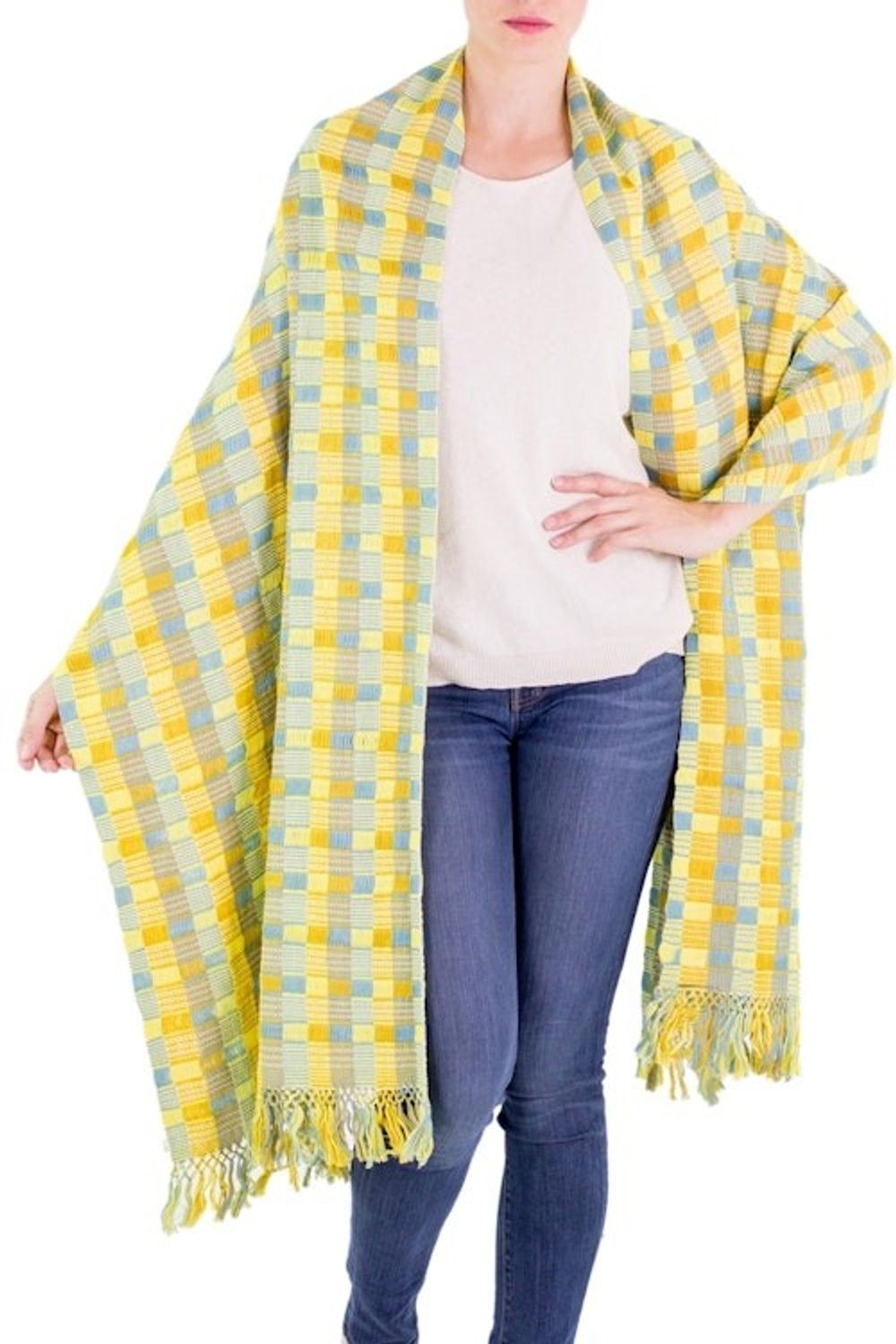
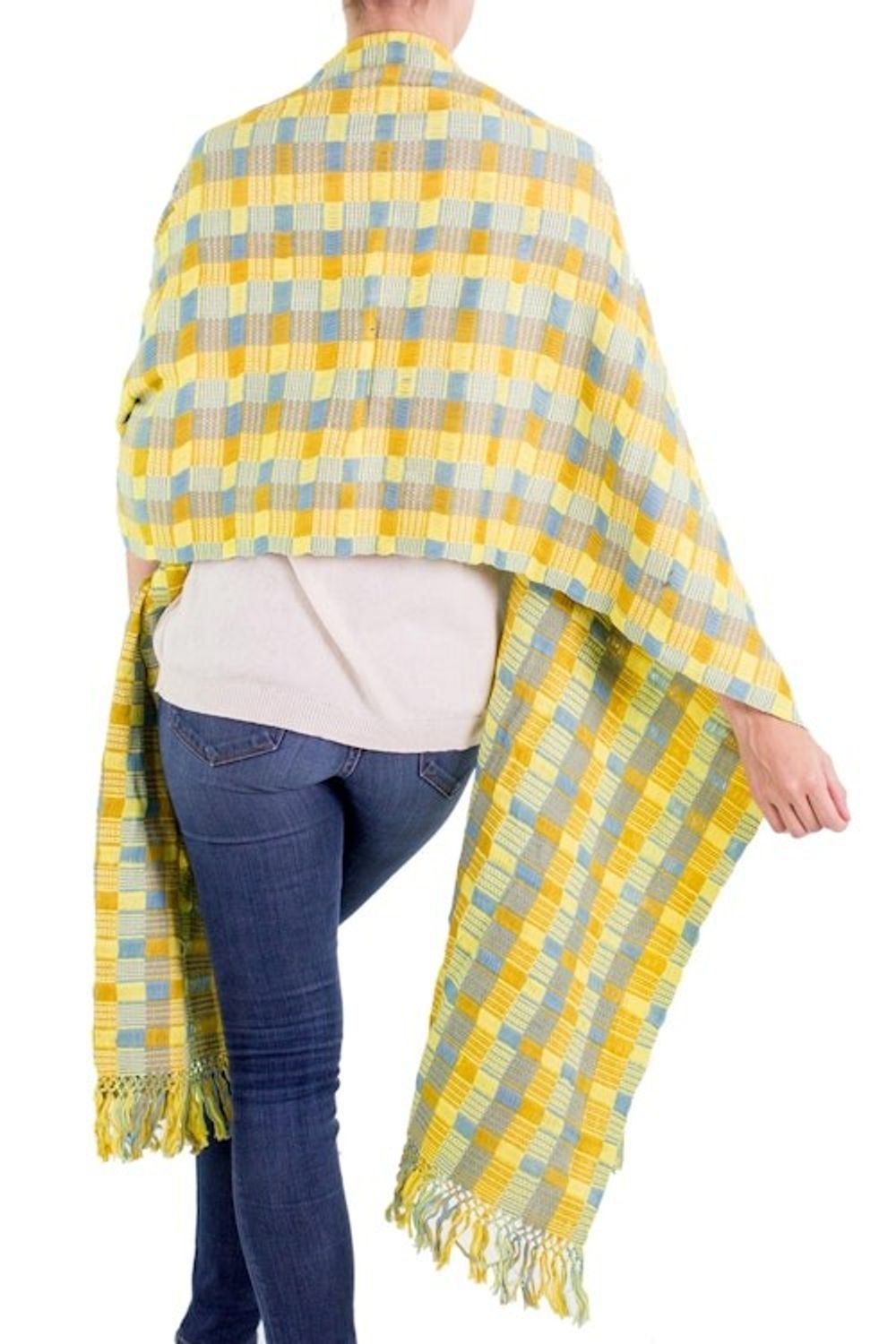
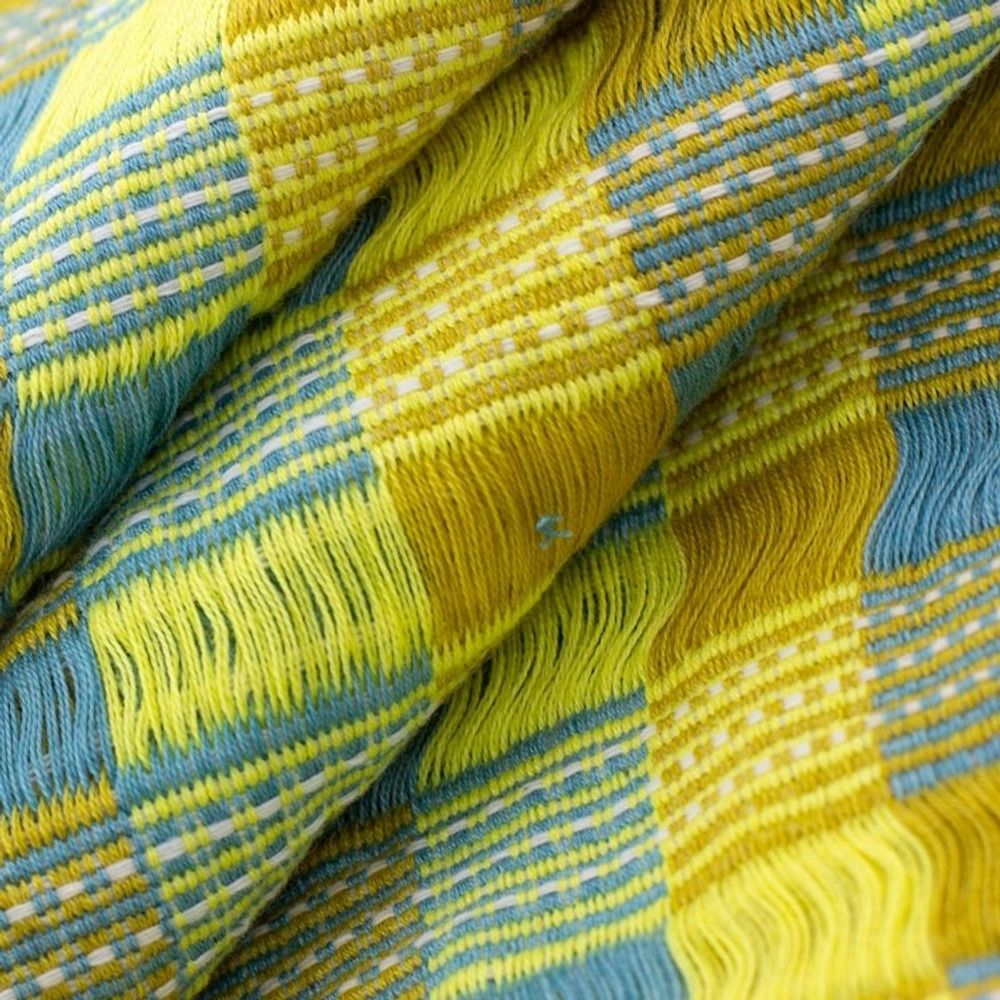

Natural Dyes Cotton Shawl Woven by Hand Guatemala 'Atitlan Diva' Item ID: 2671779442
$129.99Currently not available
We're sorry but it looks like we're late on getting more items for you. Please check back in a few days.
This is your own listing item.
- 0.97 lb
- 79 inches L x 2.4 inches W,Fringe: 2.4 inches L
- 0.68 lbs
- 79 inches L x 2.4 inches W
- Fringe: 2.4 inches L
- 100% cotton
- All natural dyes
- Hand-crafted item -- color
- size and/or motif may vary slightly
- Machine wash separately in cold water
 Made in Guatemala
100% Happiness Guaranteed!
 Shop with Confidence
 Easy 30 day returns!
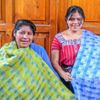
We are a group of women who work toward the preservation of our traditions to be able to feed, clothe and educate our children, and also to live fully our rights as indigenous women and be productive in our society.
Our association was born in the year 2000 as a way of finding support for the textiles we make. Marketing our weavings on our own was very difficult for us but, by joining forces, we found more opportunities. In 2010, and thanks to Guatemala's Ministry of Agriculture, Farming, and Food, we were able to legally formalize our association. They came to visit us and were able to see that we are a group of united women, hardworking and entrepreneurial, seeking to make a dignified living from traditional arts and crafts.
Most of the women have been weaving on backstrap looms since they were ten years, inheriting techniques from their mothers and grandmothers. Nowadays, we share our expertise and knowledge with any woman who wants to join our association but doesn't know how to weave.
In 2005, we experienced the tragedy brought on by hurricane Stan. Many of us lost loved ones, our homes and crops, which included the plants we used for making dyes. It was like starting from scratch again, and we had to buy materials because what we could rescue wasn't enough. We settled in shelters and, little by little, each one of us has found a way to come through the devastating experience that was hurricane Stan.
To this day, many of our associates still live in houses borrowed from the community and we're all working hard to be able to afford our own place. To this end, we developed a form of teamwork that enables us to handweave high-quality textiles.
The women that constitute the board of directors are in charge of buying the threads, we all dye them, and then each one starts weaving hammocks, scarves, shawls, and more on our own.
Our procedure is simple yet fascinating. We make our own backstrap looms and, on one end, we tie a ribbon holding the colored threads while, on the other end, the weaver attaches a belt and starts weaving from that end. We control the tension of the warp threads by leaning forward or back. Length depends on the type of textile product we want to make, and the designs are born from the experience and creativity of each associate, always considering the colors from our village's traditional costumes.
We are very thankful to work with you because, up to now, we were only able to sell to tourists on the streets, outside handicraft markets. We are also thankful for everyone who chooses our work for your interest in our culture and for inviting our products into your homes. By doing so you are contributing to the realization of our goals. Rest assured you are in our prayers.
We are a group of women who work toward the preservation of our traditions to be able to feed, clothe and educate our children, and also to live fully our rights as indigenous women and be productive in our society.Our association was born in the year 2000 as a way of finding support for the textiles we make. Marketing our weavings on our own was very difficult for us but, by joining forces, we found more opportunities. In 2010, and thanks to Guatemala's Ministry of Agriculture, Farming, and Food, we were able to legally formalize our association. They came to visit us and were able to see that we are a group of united women, hardworking and entrepreneurial, seeking to make a dignified living from traditional arts and crafts.Most of the women have been weaving on backstrap looms since they were ten years, inheriting techniques from their mothers and grandmothers. Nowadays, we share our expertise and knowledge with any woman who wants to join our association but doesn't know how to weave.In 2005, we experienced the tragedy brought on by hurricane Stan. Many of us lost loved ones, our homes and crops, which included the plants we used for making dyes. It was like starting from scratch again, and we had to buy materials because what we could rescue wasn't enough. We settled in shelters and, little by little, each one of us has found a way to come through the devastating experience that was hurricane Stan.To this day, many of our associates still live in houses borrowed from the community and we're all working hard to be able to afford our own place. To this end, we developed a form of teamwork that enables us to handweave high-quality textiles. The women that constitute the board of directors are in charge of buying the threads, we all dye them, and then each one starts weaving hammocks, scarves, shawls, and more on our own.Our procedure is simple yet fascinating. We make our own backstrap looms and, on one end, we tie a ribbon holding the colored threads while, on the other end, the weaver attaches a belt and starts weaving from that end. We control the tension of the warp threads by leaning forward or back. Length depends on the type of textile product we want to make, and the designs are born from the experience and creativity of each associate, always considering the colors from our village's traditional costumes.We are very thankful to work with you because, up to now, we were only able to sell to tourists on the streets, outside handicraft markets. We are also thankful for everyone who chooses our work for your interest in our culture and for inviting our products into your homes. By doing so you are contributing to the realization of our goals. Rest assured you are in our prayers.
Read full story →


Community Association of Tzutujil Women Artisans handwoven accessories and handbags
We are a group of women who work toward the preservation of our traditions to be able to feed, clothe and educate our children, and also to live fully our rights as indigenous women and be productive in our society.
Our association was born in the year 2000 as a way of finding support for the textiles we make. Marketing our weavings on our own was very difficult for us but, by joining forces, we found more opportunities. In 2010, and thanks to Guatemala's Ministry of Agriculture, Farming, and Food, we were able to legally formalize our association. They came to visit us and were able to see that we are a group of united women, hardworking and entrepreneurial, seeking to make a dignified living from traditional arts and crafts.
Most of the women have been weaving on backstrap looms since they were ten years, inheriting techniques from their mothers and grandmothers. Nowadays, we share our expertise and knowledge with any woman who wants to join our association but doesn't know how to weave.
In 2005, we experienced the tragedy brought on by hurricane Stan. Many of us lost loved ones, our homes and crops, which included the plants we used for making dyes. It was like starting from scratch again, and we had to buy materials because what we could rescue wasn't enough. We settled in shelters and, little by little, each one of us has found a way to come through the devastating experience that was hurricane Stan.
To this day, many of our associates still live in houses borrowed from the community and we're all working hard to be able to afford our own place. To this end, we developed a form of teamwork that enables us to handweave high-quality textiles.
The women that constitute the board of directors are in charge of buying the threads, we all dye them, and then each one starts weaving hammocks, scarves, shawls, and more on our own.
Our procedure is simple yet fascinating. We make our own backstrap looms and, on one end, we tie a ribbon holding the colored threads while, on the other end, the weaver attaches a belt and starts weaving from that end. We control the tension of the warp threads by leaning forward or back. Length depends on the type of textile product we want to make, and the designs are born from the experience and creativity of each associate, always considering the colors from our village's traditional costumes.
We are very thankful to work with you because, up to now, we were only able to sell to tourists on the streets, outside handicraft markets. We are also thankful for everyone who chooses our work for your interest in our culture and for inviting our products into your homes. By doing so you are contributing to the realization of our goals. Rest assured you are in our prayers.
Our association was born in the year 2000 as a way of finding support for the textiles we make. Marketing our weavings on our own was very difficult for us but, by joining forces, we found more opportunities. In 2010, and thanks to Guatemala's Ministry of Agriculture, Farming, and Food, we were able to legally formalize our association. They came to visit us and were able to see that we are a group of united women, hardworking and entrepreneurial, seeking to make a dignified living from traditional arts and crafts.
Most of the women have been weaving on backstrap looms since they were ten years, inheriting techniques from their mothers and grandmothers. Nowadays, we share our expertise and knowledge with any woman who wants to join our association but doesn't know how to weave.
In 2005, we experienced the tragedy brought on by hurricane Stan. Many of us lost loved ones, our homes and crops, which included the plants we used for making dyes. It was like starting from scratch again, and we had to buy materials because what we could rescue wasn't enough. We settled in shelters and, little by little, each one of us has found a way to come through the devastating experience that was hurricane Stan.
To this day, many of our associates still live in houses borrowed from the community and we're all working hard to be able to afford our own place. To this end, we developed a form of teamwork that enables us to handweave high-quality textiles.
The women that constitute the board of directors are in charge of buying the threads, we all dye them, and then each one starts weaving hammocks, scarves, shawls, and more on our own.
Our procedure is simple yet fascinating. We make our own backstrap looms and, on one end, we tie a ribbon holding the colored threads while, on the other end, the weaver attaches a belt and starts weaving from that end. We control the tension of the warp threads by leaning forward or back. Length depends on the type of textile product we want to make, and the designs are born from the experience and creativity of each associate, always considering the colors from our village's traditional costumes.
We are very thankful to work with you because, up to now, we were only able to sell to tourists on the streets, outside handicraft markets. We are also thankful for everyone who chooses our work for your interest in our culture and for inviting our products into your homes. By doing so you are contributing to the realization of our goals. Rest assured you are in our prayers.
Handmade: A Global Artisan Marketplace

Central America Artisan Empowerment Hub
Explore Central America. Rich rainforests and active volcanoes shelter the vestiges of the Mayan civilization that lives on in the languages and the arts of Central America. You'll discover the weaving traditions recorded on the backstrap looms, the glyphs and geometry that define the jewelry and pottery, and the vibrantly-painted folk art statues and masks among all the unique, handcrafted artisan treasures in our Central America Collection.
Maker BadgeMicrocredit Financing
Community Association of Tzutujil Women Artisans has received 7 microcredit loans with 0% interest from Kiva and Novica, the first for $150 and the most recent for $150.
Maker BadgeEmpowering Women
The Women's Empowerment badge is awarded to female artisans or artisan groups that are led by women.
Maker BadgeYoung Talent
This artist shows a lot of talent or potential and is in their late teens or twenties.
Maker BadgeEnabling Education
This artist is currently supporting and providing for the education of their children, grandchildren, or children in their community, whether it be at the primary, secondary, or university level.
Maker BadgeJob Creator
This artist positively impacts their community through job creation and provides jobs for 2 or more people.
Maker BadgePreserving Traditions
This artist uses traditional techniques handed down through the generations and/or creates culturally significant items, helping keep these traditions alive.
Maker BadgeConfronting Adversity
This artist is currently confronting a major life challenge.
Maker BadgeCovering Basic Needs
This artist striving to supporting their own or their family's basic needs and improve their livelihood.
Maker BadgeProfound Impact
Every purchase from this artist has a profound impact on their livelihood and income.
More from this maker
Visit storeOther favorites
View more

















100% Happiness Guaranteed
If you aren't in LOVE with your purchases, let us know within 30 days and we'll make it right.
- Easy Returns
- Hassle-free Exchange
- Dedicated Support

Powered by Human Creativity
Established alongside our parent company NOVICA
10K+
Master Artisans
1M+
Happy Customers
25 yrs
Empowering Makers
4.8
Average Rating
More than a Marketplace
Enjoyed by over 1,000,000
customers across 50+ countries
Powered by NOVICA, a beloved global leader
in fair trade artisan goods.
Go!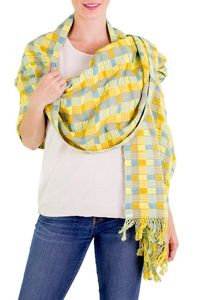
Item added to your cart!
Natural Dyes Cotton Shawl Woven by Hand Guatemala 'Atitlan Diva'
Quantity:

Powered by

Partners and Collaborators




© 2026 
 You havein your cartTop