

Related products
Trending searches this week
Home Decor
- Wall Decor (1879)
- Decor Accessories (2786)
- Tableware (0)
- Holiday Decor & Ornaments (0)
- Outdoor Living (0)
- Pillows & Throws (432)
- Furniture (185)
- Musical Instruments (0)
- Baskets (0)
- Chess Sets Games (0)
- Jewelry Boxes (0)
- Kitchen & Dining (2143)
- Vases & Vessels (537)
- Outdoor & Garden (642)
- Holiday Decor (1710)
- Candles & Lighting (360)
- Bathroom (0)
- Bedding (7)
- Car Accessories (0)
- Nursery & Kids Room (0)
- Office & Desk (150)
- Rugs & Textiles (208)
- Storage & Organization (68)
Accessories
- Hats (208)
- Keychains and Straps (126)
- Hair Accessories (95)
- Other Accessories (142)
- Walking Sticks (0)
- Footwear (24)
- Bags & Purses (1635)
- Scarves & Wraps (1555)
- Belts & Sashes (68)
- Ties & Formal Accessories (5)
- Gloves & Mittens (106)
- Baby & Kids Accessories (5)
- Luggage & Travel (4)
- Tech Accessories (100)

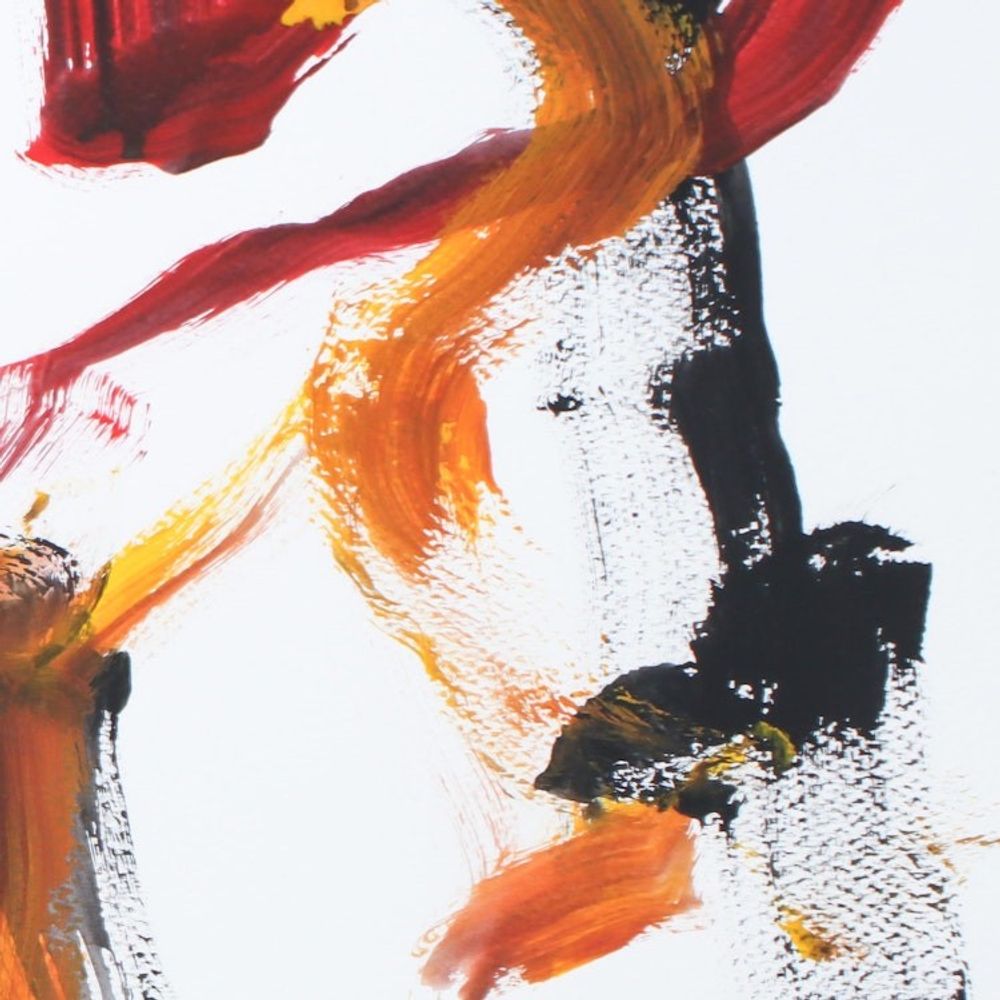

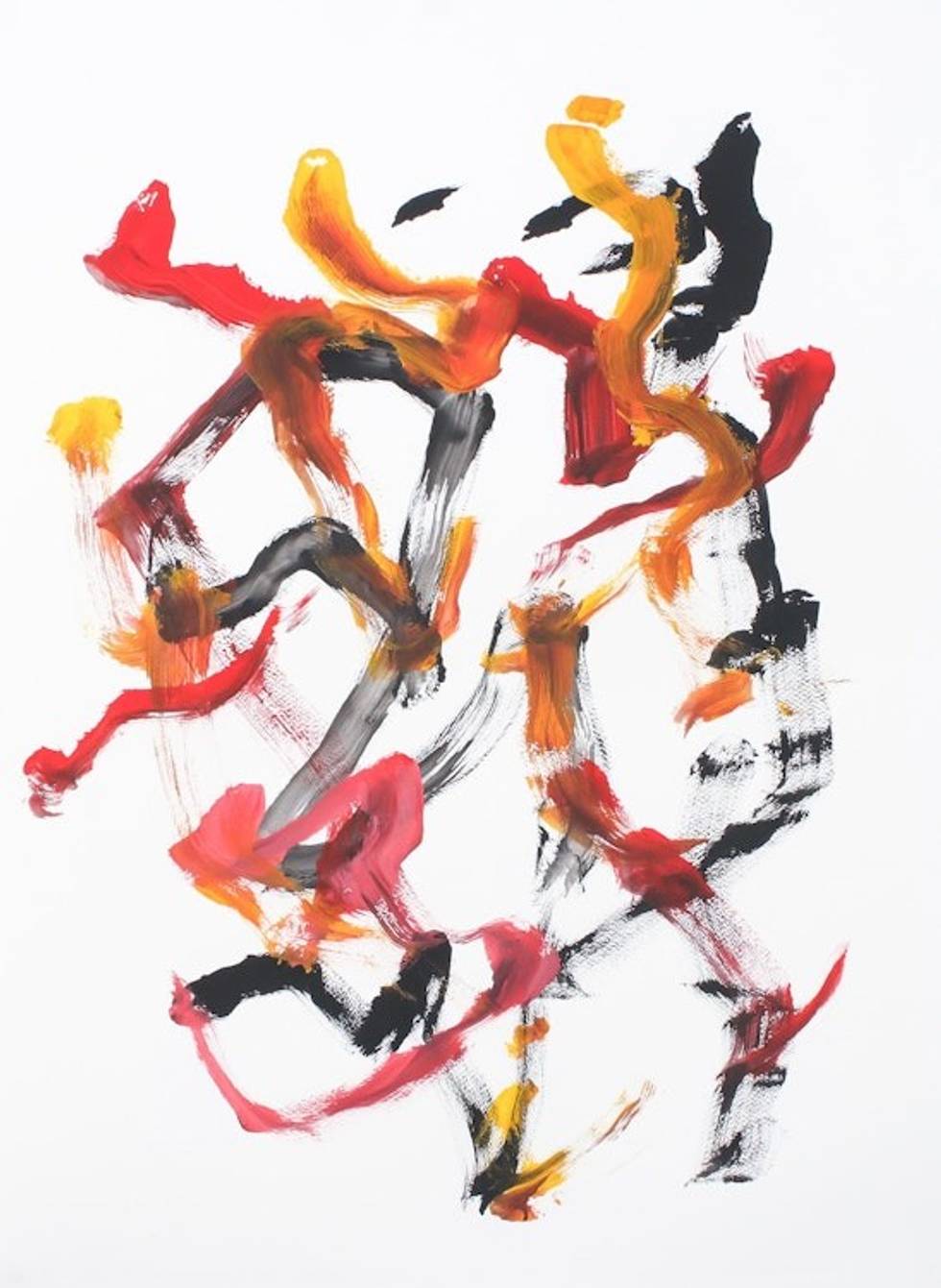
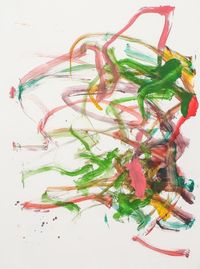
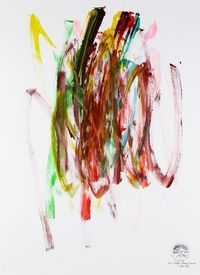
Dark Authentic Elephant Art Painting from Thailand 'Till Dawn' Item ID: 2669889002
$409.99-1+
 Add to favorites
 In your favorites.
This is your own listing item.
- 0.20 lbs
- 22 inches W x 30 inches H
- Acrylic on paper
- Arrives unframed
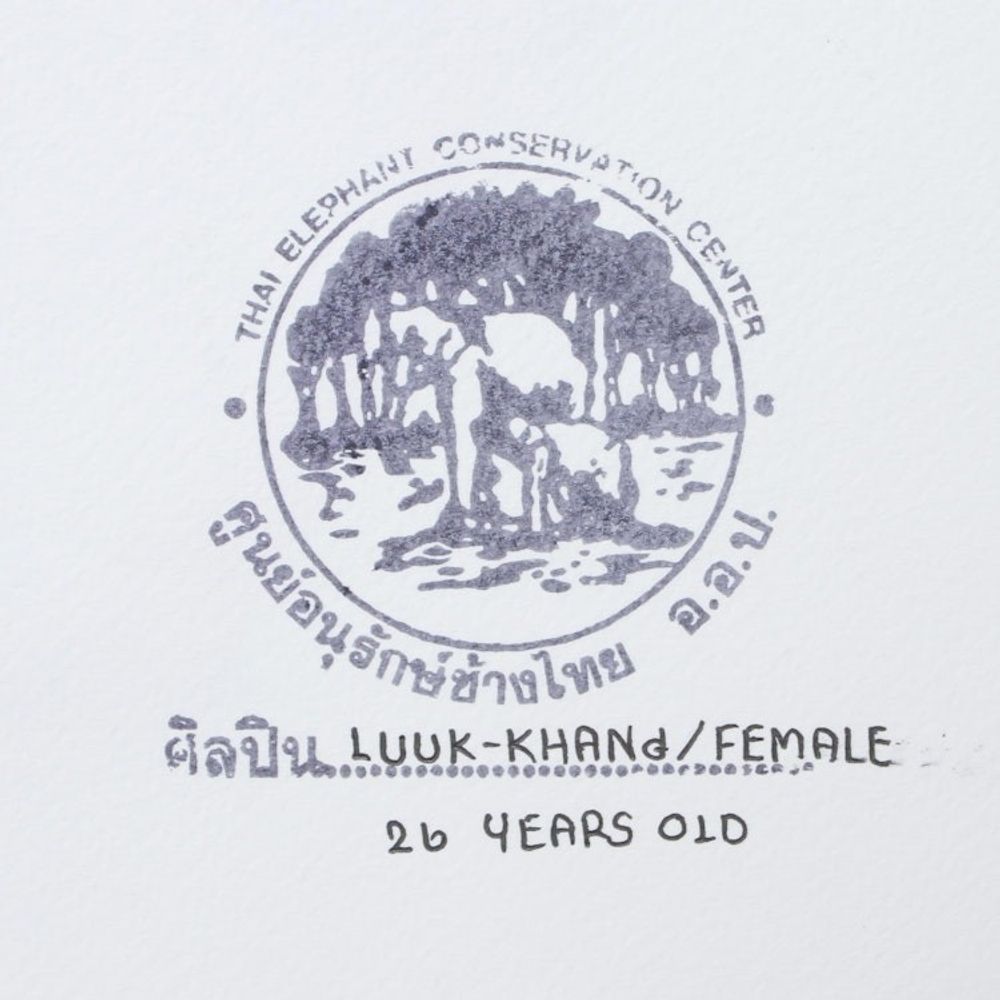
- Authentic artwork featuring the official seal of the Thai Elephant Conservation Center as well as the elephant's name
 Made in Thailand
100% Happiness Guaranteed!
 Shop with Confidence
 Easy 30 day returns!
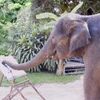
Luuk Khang is a young elephant who enjoys painting. Her artwork is notable for its long vertical slashes, always starting at the top of the page and usually running off the bottom. Although she is now experimenting with a new style, which coincides with the arrival of her new mahout, or keeper. Luuk Khang is an inseparable buddy of another artistic elephant named Prathida, both being mischievous and full of life.
For centuries, elephants earned their keep by hauling trees for Asia's logging industry. Deforestation and logging restrictions led to massive unemployment for the elephants, with the result that many, dependent on keepers who could no longer afford to care for them, simply died of neglect. The Asian elephant population dwindled, and these magnificent animals became an endangered species.
In 1998, searching for new ways to raise rescue funds and worldwide public awareness, elephant expert and author Richard Lair, advisor to the royal Thai Elephant Conservation Center (TECC), conceived of a novel plan. He invited to Asia two media savvy, New York-based conceptual artists - Vitaly Komar and Alexander Melamid - to help him create a publicity campaign while training rescued Asian elephants to paint. Art Historian Mia Fineman traveled with Komar and Melamid to Asia, helping write "When Elephants Paint," a fascinating book about the venture. (The book notes that wild elephants naturally doodle on the ground with twigs and pebbles - a proclivity that might explain the ease with which they take to painting.)
As a result of Lair's project, numerous elephants learned to paint in Asia, and hundreds if not thousands of news reports have brought the story of this endangered species to the world's attention.
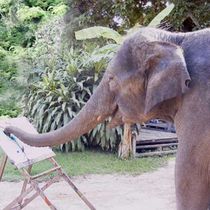
Today, under the ongoing tutelage of Richard Lair, ten of the TECC's 48 elephants participate in regular painting sessions. During these sessions, the sanctuary elephants stand contentedly before easels, entertaining themselves by wrapping the tips of their trunks around artists' brushes, dipping those brushes into buckets of colorful paints, and then sweeping the paint up, down, and across paper canvases.
The TECC artists are now the most famous paintings elephants in the world. Their paintings, compared by some critics to the works of such renowned abstract expressionist artists as Jackson Pollock, Willem de Kooning, and Franz Kline, have been exhibited internationally and have auctioned for thousands of dollars apiece at such august venues as Christie's.
Luuk Khang is a young elephant who enjoys painting. Her artwork is notable for its long vertical slashes, always starting at the top of the page and usually running off the bottom. Although she is now experimenting with a new style, which coincides with the arrival of her new mahout, or keeper. Luuk Khang is an inseparable buddy of another artistic elephant named Prathida, both being mischievous and full of life.
For centuries, elephants earned their keep by hauling trees for Asia's logging industry. Deforestation and logging restrictions led to massive unemployment for the elephants, with the result that many, dependent on keepers who could no longer afford to care for them, simply died of neglect. The Asian elephant population dwindled, and these magnificent animals became an endangered species.
In 1998, searching for new ways to raise rescue funds and worldwide public awareness, elephant expert and author Richard Lair, advisor to the royal Thai Elephant Conservation Center (TECC), conceived of a novel plan. He invited to Asia two media savvy, New York-based conceptual artists - Vitaly Komar and Alexander Melamid - to help him create a publicity campaign while training rescued Asian elephants to paint. Art Historian Mia Fineman traveled with Komar and Melamid to Asia, helping write "When Elephants Paint," a fascinating book about the venture. (The book notes that wild elephants naturally doodle on the ground with twigs and pebbles - a proclivity that might explain the ease with which they take to painting.)
As a result of Lair's project, numerous elephants learned to paint in Asia, and hundreds if not thousands of news reports have brought the story of this endangered species to the world's attention.
Today, under the ongoing tutelage of Richard Lair, ten of the TECC's 48 elephants participate in regular painting sessions. During these sessions, the sanctuary elephants stand contentedly before easels, entertaining themselves by wrapping the tips of their trunks around artists' brushes, dipping those brushes into buckets of colorful paints, and then sweeping the paint up, down, and across paper canvases.
The TECC artists are now the most famous paintings elephants in the world. Their paintings, compared by some critics to the works of such renowned abstract expressionist artists as Jackson Pollock, Willem de Kooning, and Franz Kline, have been exhibited internationally and have auctioned for thousands of dollars apiece at such august venues as Christie's.
Read full story →

Luuk Khang
Luuk Khang is a young elephant who enjoys painting. Her artwork is notable for its long vertical slashes, always starting at the top of the page and usually running off the bottom. Although she is now experimenting with a new style, which coincides with the arrival of her new mahout, or keeper. Luuk Khang is an inseparable buddy of another artistic elephant named Prathida, both being mischievous and full of life.
For centuries, elephants earned their keep by hauling trees for Asia's logging industry. Deforestation and logging restrictions led to massive unemployment for the elephants, with the result that many, dependent on keepers who could no longer afford to care for them, simply died of neglect. The Asian elephant population dwindled, and these magnificent animals became an endangered species.
In 1998, searching for new ways to raise rescue funds and worldwide public awareness, elephant expert and author Richard Lair, advisor to the royal Thai Elephant Conservation Center (TECC), conceived of a novel plan. He invited to Asia two media savvy, New York-based conceptual artists - Vitaly Komar and Alexander Melamid - to help him create a publicity campaign while training rescued Asian elephants to paint. Art Historian Mia Fineman traveled with Komar and Melamid to Asia, helping write "When Elephants Paint," a fascinating book about the venture. (The book notes that wild elephants naturally doodle on the ground with twigs and pebbles - a proclivity that might explain the ease with which they take to painting.)
As a result of Lair's project, numerous elephants learned to paint in Asia, and hundreds if not thousands of news reports have brought the story of this endangered species to the world's attention.
Today, under the ongoing tutelage of Richard Lair, ten of the TECC's 48 elephants participate in regular painting sessions. During these sessions, the sanctuary elephants stand contentedly before easels, entertaining themselves by wrapping the tips of their trunks around artists' brushes, dipping those brushes into buckets of colorful paints, and then sweeping the paint up, down, and across paper canvases.
The TECC artists are now the most famous paintings elephants in the world. Their paintings, compared by some critics to the works of such renowned abstract expressionist artists as Jackson Pollock, Willem de Kooning, and Franz Kline, have been exhibited internationally and have auctioned for thousands of dollars apiece at such august venues as Christie's.
For centuries, elephants earned their keep by hauling trees for Asia's logging industry. Deforestation and logging restrictions led to massive unemployment for the elephants, with the result that many, dependent on keepers who could no longer afford to care for them, simply died of neglect. The Asian elephant population dwindled, and these magnificent animals became an endangered species.
In 1998, searching for new ways to raise rescue funds and worldwide public awareness, elephant expert and author Richard Lair, advisor to the royal Thai Elephant Conservation Center (TECC), conceived of a novel plan. He invited to Asia two media savvy, New York-based conceptual artists - Vitaly Komar and Alexander Melamid - to help him create a publicity campaign while training rescued Asian elephants to paint. Art Historian Mia Fineman traveled with Komar and Melamid to Asia, helping write "When Elephants Paint," a fascinating book about the venture. (The book notes that wild elephants naturally doodle on the ground with twigs and pebbles - a proclivity that might explain the ease with which they take to painting.)
As a result of Lair's project, numerous elephants learned to paint in Asia, and hundreds if not thousands of news reports have brought the story of this endangered species to the world's attention.
Today, under the ongoing tutelage of Richard Lair, ten of the TECC's 48 elephants participate in regular painting sessions. During these sessions, the sanctuary elephants stand contentedly before easels, entertaining themselves by wrapping the tips of their trunks around artists' brushes, dipping those brushes into buckets of colorful paints, and then sweeping the paint up, down, and across paper canvases.
The TECC artists are now the most famous paintings elephants in the world. Their paintings, compared by some critics to the works of such renowned abstract expressionist artists as Jackson Pollock, Willem de Kooning, and Franz Kline, have been exhibited internationally and have auctioned for thousands of dollars apiece at such august venues as Christie's.
Handmade: A Global Artisan Marketplace Chiang Mai, Thailand

Thailand Artisan Empowerment Hub
In Thailand, artistic skills and traditions have been passed down from generation to generation. As you explore our Thailand Collection you will discover handwoven silks and hand embroidered textiles, celadon and benjarong pottery, teak carvings, lacquerware and exquisite jewelry. All are handcrafted in traditional and contemporary designs by talented Thai artisans.




Other favorites
View more













100% Happiness Guaranteed
If you aren't in LOVE with your purchases, let us know within 30 days and we'll make it right.
- Easy Returns
- Hassle-free Exchange
- Dedicated Support

Powered by Human Creativity
Established alongside our parent company NOVICA
10K+
Master Artisans
1M+
Happy Customers
25 yrs
Empowering Makers
4.8
Average Rating
More than a Marketplace
Enjoyed by over 1,000,000
customers across 50+ countries
Powered by NOVICA, a beloved global leader
in fair trade artisan goods.
Go!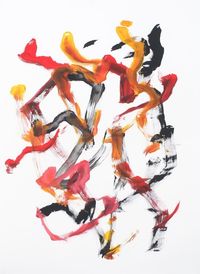
Item added to your cart!
Dark Authentic Elephant Art Painting from Thailand 'Till Dawn'
Quantity:


Powered by

Partners and Collaborators




© 2026 
 You havein your cartTop